
Defence
Can Turkey Rejoin the F-35 Program? NATO Talks Spark Fresh Hope
Turkey reignites hopes of reentering the F-35 program as Erdoğan reveals fresh dialogue with the U.S. during the NATO summit.

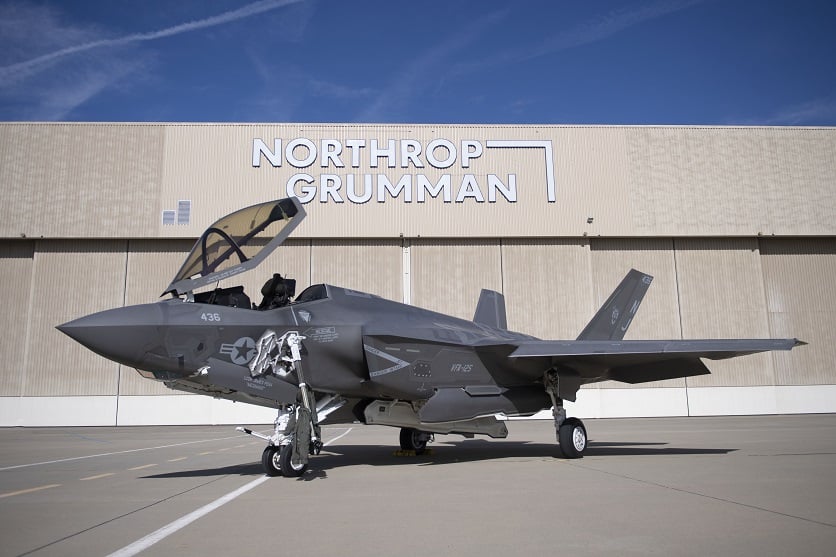
After years of frozen ties and high-stakes standoffs, a breakthrough may finally be on the horizon. During the recent NATO summit, Turkish President Recep Tayyip Erdoğan reignited hopes for Turkey’s return to the F-35 fighter jet program.
With a renewed diplomatic push and a seemingly receptive tone from former U.S. President Donald Trump, Ankara is once again making headlines in its long-running quest for America’s most advanced stealth fighter.
Defense Relations Back in Focus
The defense relationship between Turkey and the United States has long been a complex mix of cooperation, tension, and shifting alliances. But at the NATO summit in The Hague, Erdoğan signaled a potential turning point. According to the Reuters, Speaking at a press conference, he revealed:
This marked the first major public discussion of the F-35 deal between the two leaders since Turkey was expelled from the program in 2019.
Why It Matters: A Fighter Jet, A Strategic Symbol
Turkey’s removal from the F-35 program came after its controversial acquisition of Russia’s S-400 air defense system, which U.S. officials argued posed a serious risk to the stealth technology of the F-35. Since then, deliveries of the jets have been halted, and Ankara has found itself at odds with key NATO allies.
The Stakes for Turkey’s Air Superiority
Turkey’s current air power rests primarily on its fleet of F-16s, which, though reliable, lack the stealth, sensor fusion, and advanced combat capabilities of fifth-generation fighters. In contrast, regional rivals are quickly modernizing.
The F-35 Lightning II, developed by Lockheed Martin, offers Turkey a chance to leapfrog into the future of air combat. With network-centric warfare capabilities and seamless integration with systems like the Bayraktar drone fleet, the F-35 could reshape Ankara’s ability to operate in conflict zones such as Syria, Libya, or the Eastern Mediterranean.
Geopolitics: Balancing East and West
Erdoğan has walked a tightrope between East and West—maintaining ties with Russia, criticizing Israel and its Western backers, while also staying anchored in NATO. His rapport with Trump, in particular, was a key diplomatic lever that Turkey used in the past, and it may now be yielding new results.
Despite U.S. sanctions imposed in 2020 for the S-400 deal and Turkey’s removal from the F-35 program, Ankara has continued to demand reinstatement or compensation for its $1.4 billion investment.
What Lies Ahead
If the U.S. reopens the door to Turkey’s participation, it could mark a seismic shift in NATO dynamics and Mediterranean military balance. While the Biden administration has remained cautious, renewed talks during the summit hint at possible behind-the-scenes recalibration—especially with increasing pressure on NATO unity amid global tensions.
For now, Turkey’s F-35 return remains in negotiation, but the tone has changed. The once-sealed door might not be locked after all.
For more aerospace news, check out JetlineIntel.
Want to buy aviation merchandise? Visit Jetshop.in.
To read Jetlinemarvel’s updates on Google News, head over to Google News.



