
Defence
Super Rafale F5 Explained: France’s Ultimate Fighter Upgrade
Discover how the Rafale F5 “Super Rafale” upgrade enhances power, electronic warfare, and manned-unmanned combat to keep the iconic fighter relevant into the future.

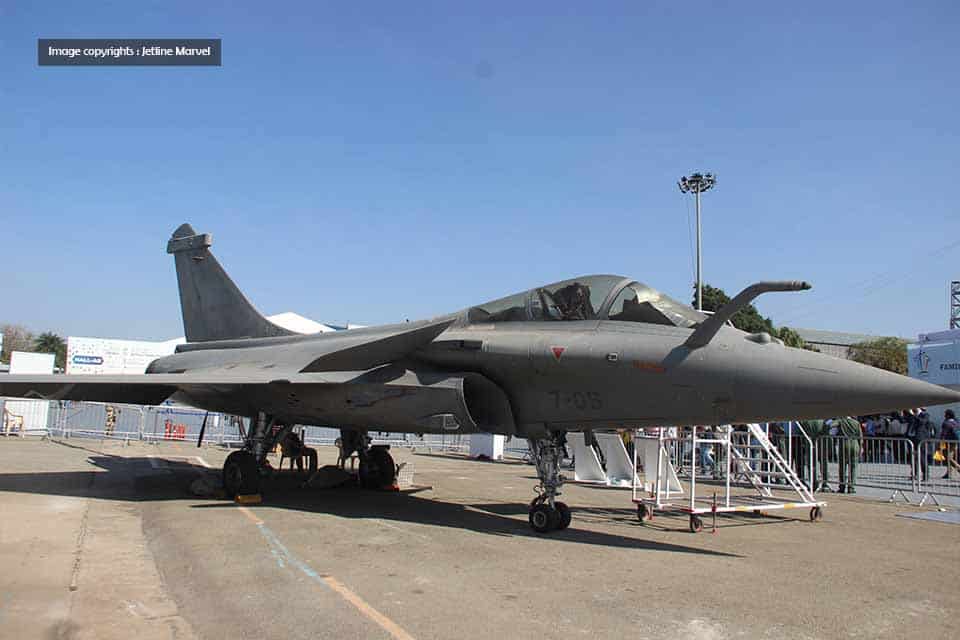
The Super Rafale F5 is the next evolution of France’s famous Rafale fighter jet — a powerful upgrade designed to keep the aircraft combat-ready well into the 2040s and beyond.
Rather than building a completely new jet, France is transforming the existing Rafale into a smarter, more connected, and more survivable battlefield system.
This new standard builds on the current F4 version and acts as a bridge toward Europe’s future sixth-generation fighter program, known as FCAS.
A More Powerful Rafale
One of the biggest upgrades comes from the engines. The Rafale F5 will use an improved Safran M88 T-REX engine, delivering around 20 percent more thrust without major structural changes. That means faster acceleration, better climb performance, and the ability to carry heavier payloads over longer distances.
Next-Generation Sensors
The aircraft will receive a new GaN-based AESA radar, offering longer detection ranges and improved tracking — even against stealth aircraft.
Alongside this, upgraded electro-optical sensors and an enhanced SPECTRA electronic warfare system will help the jet detect threats earlier and jam enemy radars more effectively. Instead of relying on stealth shaping, the Rafale F5 focuses on electronic dominance and situational awareness.
A Flying Command Center
The F5 isn’t just a fighter — it’s becoming a networked combat hub. New high-speed data links and advanced onboard processing will allow the aircraft to share massive amounts of battlefield information in real time.
This turns the Rafale into a “combat system within a system,” capable of coordinating missions and guiding other assets.
Teaming With Combat Drones
One of the most revolutionary features is manned-unmanned teaming. The Rafale F5 will control a stealthy combat drone derived from the nEUROn demonstrator.
These drones — often called loyal wingmen — will fly ahead into dangerous zones, gather intelligence, and even carry weapons, reducing risk to the pilot.
New Weapons and Strategic Role
The aircraft is also expected to carry France’s future ASN4G hypersonic nuclear missile, strengthening its strategic deterrence mission.
At the same time, improved capabilities for suppressing enemy air defenses will allow it to operate in heavily defended airspace.
Built for the Long Future
Additional upgrades may include conformal fuel tanks for extended range, artificial-intelligence-assisted processing, and stronger computing power. All of this is designed to keep the Rafale relevant even beyond 2060.
Not a Stealth Fighter — But Still Dangerous
The Rafale F5 is not a fifth-generation stealth jet like the F-35. Instead, it relies on speed, advanced sensors, electronic warfare, and drone teaming to survive modern battlefields. Supporters say this approach offers flexibility, lower operating costs, and full technological independence for operators.
Timeline
Development is already underway, with service entry expected around 2030 or the early 2030s. For France, the Super Rafale ensures military sovereignty while the future sixth-generation fighter continues development.
