
Aviation
Israel Helps UAE in Ongoing Iran War
How the Iran–UAE war became a turning point, reshaping UAE’s military strategy, partnerships, and future defense capabilities.

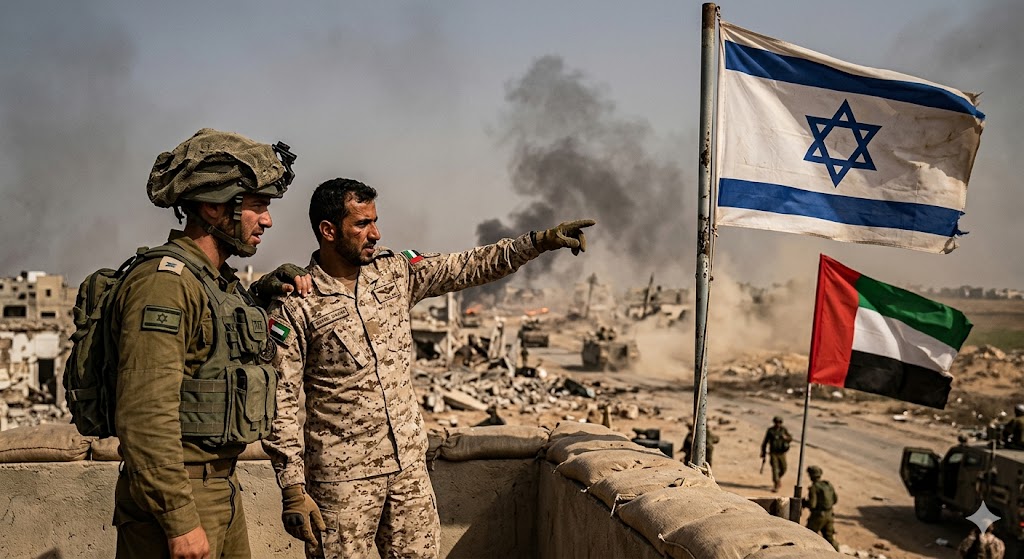
The Iran–UAE conflict of 2026 became a defining moment for the UAE’s defense strategy, acting as both a stress test and a catalyst for rapid transformation. It validated key strengths—especially in layered air defense—while exposing critical gaps, particularly against large-scale drone attacks.
During the conflict, the UAE faced intense pressure, with Iran launching a massive volume of threats including ballistic missiles, cruise missiles, and over 2,000 drones.
While the UAE achieved high interception rates against ballistic missiles—often exceeding 90%—the sheer scale and low cost of drone swarms created challenges. Some attacks penetrated defenses, causing infrastructure damage and highlighting the need for more efficient, high-volume countermeasures.
A major takeaway was the importance of external support. Systems like Iron Dome and emerging technologies such as Iron Beam were deployed with Israeli assistance, marking the first overseas operational use of such systems.
Intelligence sharing and joint coordination proved critical, strengthening ties under the Abraham Accords—but also underscoring the risks of over-reliance on partners during high-intensity conflict.
In terms of performance, traditional missile defense systems proved effective, but the war revealed a mismatch in cost and efficiency when dealing with cheap drones. This has accelerated UAE interest in counter-drone innovations, including directed-energy weapons, electronic warfare, and autonomous interception systems inspired by recent global combat trends.
In response, the UAE is doubling down on a dual-track strategy: diversification and self-reliance. It continues to procure advanced systems from multiple global suppliers—ranging from the US and Europe to Israel and Asia—while expanding its domestic defense industry.
Central to this effort is EDGE Group, which is rapidly developing capabilities in drones, loitering munitions, precision weapons, cyber warfare, and AI-enabled systems. The goal is clear: transition from a major importer to a competitive developer and exporter of defense technology.
Looking ahead, UAE priorities include building cost-effective counter-drone defenses, expanding offensive capabilities for deterrence, strengthening infrastructure resilience, and deepening strategic partnerships while maintaining operational independence. The country’s long-standing “Little Sparta” model—focused on advanced technology over manpower—is evolving to meet the realities of modern, high-volume warfare.
In essence, the conflict reinforced the UAE’s position as a technologically advanced military player, but also pushed it toward greater indigenous capability, smarter defense economics, and a more balanced approach between alliances and autonomy.
