
Defence
No More Tejas Mk1A for Now, IAF Shifts Attention to MkII Fighter
Despite approving 97 new Tejas Mk1A fighters, the IAF is pausing further orders as it prioritizes deliveries and prepares for the induction of the next-generation Tejas MkII.

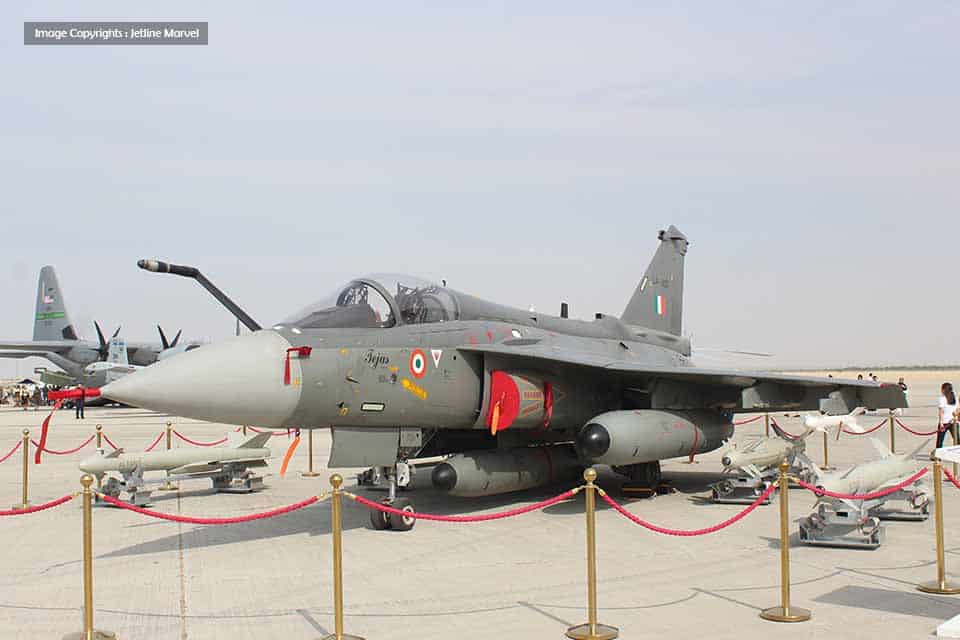
The Indian Air Force’s ambitious drive to rebuild its fighter strength through indigenous platforms has reached an important crossroads.
With fresh approval for a major Tejas Mk1A order, speculation quickly grew about whether more of the light fighter would soon follow.
However, the IAF has now signalled a pause in further Mk1A procurement, choosing instead to consolidate existing orders and shift its long-term focus toward the more capable hal tejas mk2. As reported by idrw.org
No Immediate Plans for More Tejas Mk1A Fighters
Following the recent approval to procure 97 additional Tejas Mk1A fighter jets, the total confirmed order book for India’s Light Combat Aircraft (LCA) programme has risen to 220 aircraft, when combined with earlier Tejas Mk1 and Mk1A contracts.
This sizeable expansion was widely interpreted within industry circles as a possible lead-up to even larger tejas fighter jet orders, especially as the IAF faces a declining squadron count.
However, according to a senior IAF official, there are currently no plans to place further Mk1A orders beyond the 97 aircraft recently contracted. Speaking to idrw.org, the official clarified that the order has only just been finalised and that the Air Force’s immediate priority is the delivery, induction, and operationalisation of aircraft already on order.
While the door remains open for additional tejas mk1a procurement in the future, such a decision would depend on a clear operational requirement, rather than speculation or production momentum.
Tejas Mk1A: Key Capabilities and Unique Features
Despite the procurement pause, the tejas fighter jets remains a significant upgrade over earlier variants and forms a critical part of the IAF’s near-term fleet renewal. Its standout features include:
- Advanced AESA Radar: Equipped with an Active Electronically Scanned Array radar, enhancing detection range, tracking accuracy, and electronic warfare resilience.
- Improved Electronic Warfare Suite: Indigenous EW systems provide better survivability in contested airspace.
- Enhanced Maintainability: Faster turnaround times and reduced maintenance hours compared to the Mk1.
- Beyond Visual Range (BVR) Combat Capability: Integration of advanced air-to-air missiles strengthens air dominance roles.
- Higher Indigenous Content: A greater share of locally developed systems supports India’s self-reliance goals.
These enhancements make the Mk1A a highly capable light fighter, well-suited for point defence, air superiority, and limited strike missions.
Production Ramp-Up and the MkII Factor
Hindustan Aeronautics Limited (HAL) has projected that lca tejas deliveries will peak around 2028–29, with annual production expected to exceed 24 aircraft per year, potentially reaching 30 units annually.
However, by the time production reaches this level, the Tejas MkII programme is expected to take centre stage. The MkII—larger, more powerful, and offering greater range, payload, and growth potential—is scheduled for its first flight in 2027.
The IAF has already committed to 120 tejas mk2 aircraft, and sources indicate this number could eventually increase to around 220 units, depending on future force structure requirements and threat assessments.
Focus Shifting Toward the Next Generation
With the MkII positioned as the IAF’s primary indigenous medium-weight fighter for the 2030s, attention within the service appears to be gradually shifting toward ensuring its timely development, testing, and induction.
Rather than expanding Mk1A numbers immediately, the Air Force’s approach reflects a balanced strategy: stabilise current inductions, avoid over-commitment, and channel long-term resources into a platform that offers greater operational flexibility.
Conclusion: Consolidation Before Expansion
The IAF’s decision not to pursue additional tejas aircraft Mk1A orders for now should be seen as strategic consolidation, not a loss of confidence in the aircraft. With substantial Mk1A and MkII orders already in place, the focus has moved toward execution—delivering aircraft on time, integrating them smoothly, and preparing for the next leap in indigenous fighter capability.
As the Tejas MkII edges closer to flight testing, it is increasingly clear that the future of India’s fighter fleet will be shaped not by numbers alone, but by capability, sustainability, and long-term relevance.
For more aerospace news, check out JetlineIntel.
Want to buy aviation merchandise? VisitJetshop.in.
To read Jetlinemarvel’s updates on Google News, head over to Google News.



