
Aviation
British Airways Faces Crew Revolt Over Hot Water Bottle Rule
A brief British Airways ban on cabin crew hot water bottles sparked union outrage and was swiftly scrapped, exposing wider tensions over crew welfare and policy decisions.

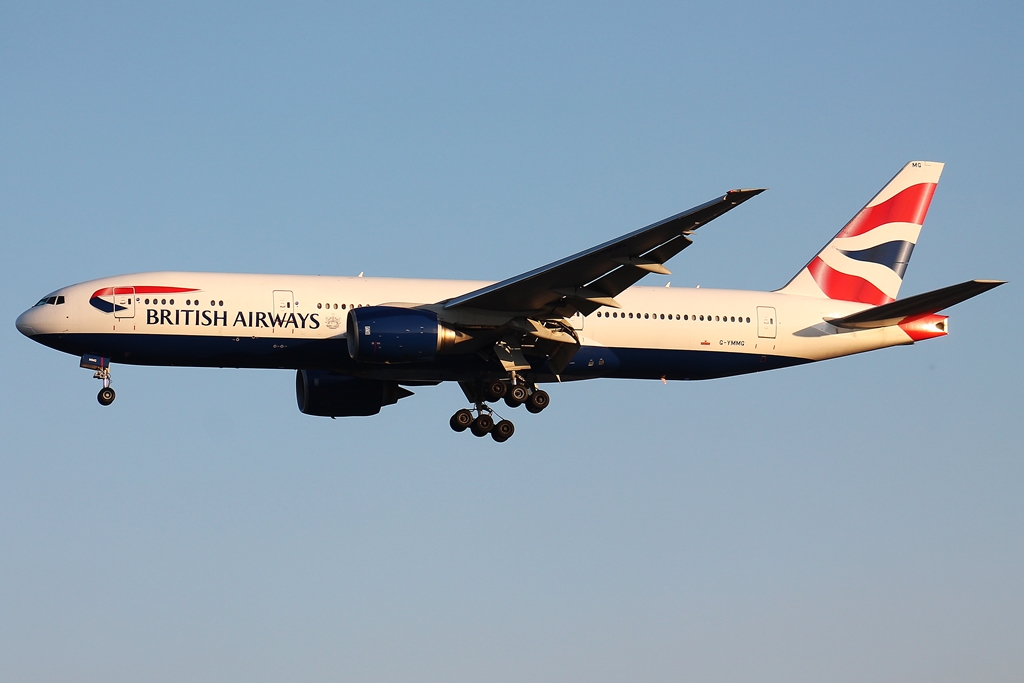
British Airways has quietly reversed a short-lived decision that sparked strong resistance from its own cabin crew.
A sudden ban on hot water bottles—widely used by crew members on long-haul flights—was rolled back within days after unions intervened, raising fresh questions about crew welfare, consultation processes, and internal decision-making at the UK’s flag carrier.
A sudden rule that caught crew off guard
The ban was introduced with immediate effect for cabin crew operating long-haul services from London Heathrow (LHR). Crew were informed that hot water bottles, a common personal item carried on overnight flights, would no longer be permitted onboard.
According to internal explanations, British Airways’ health and safety managers argued that since the airline could not individually inspect each hot water bottle brought by crew, their safety could not be assured. As a result, a blanket ban was imposed as what management described as the “only viable option.”
The move, however, was introduced without prior consultation with crew representatives or discussion at established health and safety meetings, triggering immediate backlash.
Why hot water bottles matter on long-haul flights
For many cabin crew, hot water bottles are not a comfort luxury but a practical necessity. On several British Airways long-haul aircraft—particularly older models—there are no dedicated or enclosed crew rest areas.
Crew members are often required to rest on jumpseats near aircraft doors, locations known to become especially cold during night flights. Fatigue, jet lag, and extended duty hours further reduce tolerance to low temperatures, making it difficult for crew to rest properly.
While newer aircraft may have floor-heating systems to counter this, not all of BA’s fleet is equipped with such features, leaving crew exposed to uncomfortable—and sometimes harsh—conditions.
Growing frustration over tighter crew controls
The hot water bottle ban came amid broader frustration among cabin crew over a series of restrictive policies introduced by the airline this year. These have reportedly included rules governing:
- The type of pens crew are allowed to use
- When and how crew may drink water
- Increased oversight of personal items carried onboard
For many crew members, the attempted prohibition on hot water bottles felt like another step in an increasingly controlling approach to cabin operations.
Notably, the proposed restriction applied only to cabin crew, with no indication that passengers carrying hot water bottles would face similar limits.
Union intervention forces a rapid reversal
Crew unions swiftly challenged the ban, describing it as unnecessary, poorly justified, and out of step with long-standing industry practice. Hot water bottles are commonly used by flight attendants across airlines worldwide, particularly on overnight long-haul services.
Under pressure from union representatives and following objections raised to the Cabin Safety department, British Airways reversed the decision within three days.
New guidance replaces the ban
Following the reversal, British Airways issued updated guidance rather than an outright prohibition. The airline now places responsibility on individual crew members to ensure safe use and handling of hot water bottles during flights.
The episode, according to crew sources and industry observers, highlights recurring concerns over abrupt policy changes and the need for proper consultation—especially when decisions directly affect crew comfort, rest, and wellbeing on long-haul operations.
For more aerospace news, check out JetlineIntel.
Want to buy aviation merchandise? VisitJetshop.in.
To read Jetlinemarvel’s updates on Google News, head over to Google News.
