
Aviation
Why India’s P-8I Aircraft Costs 50% More Than Others
India’s P-8I deal cost surges to $3–4B—here’s how it compares globally and why the price is rising.

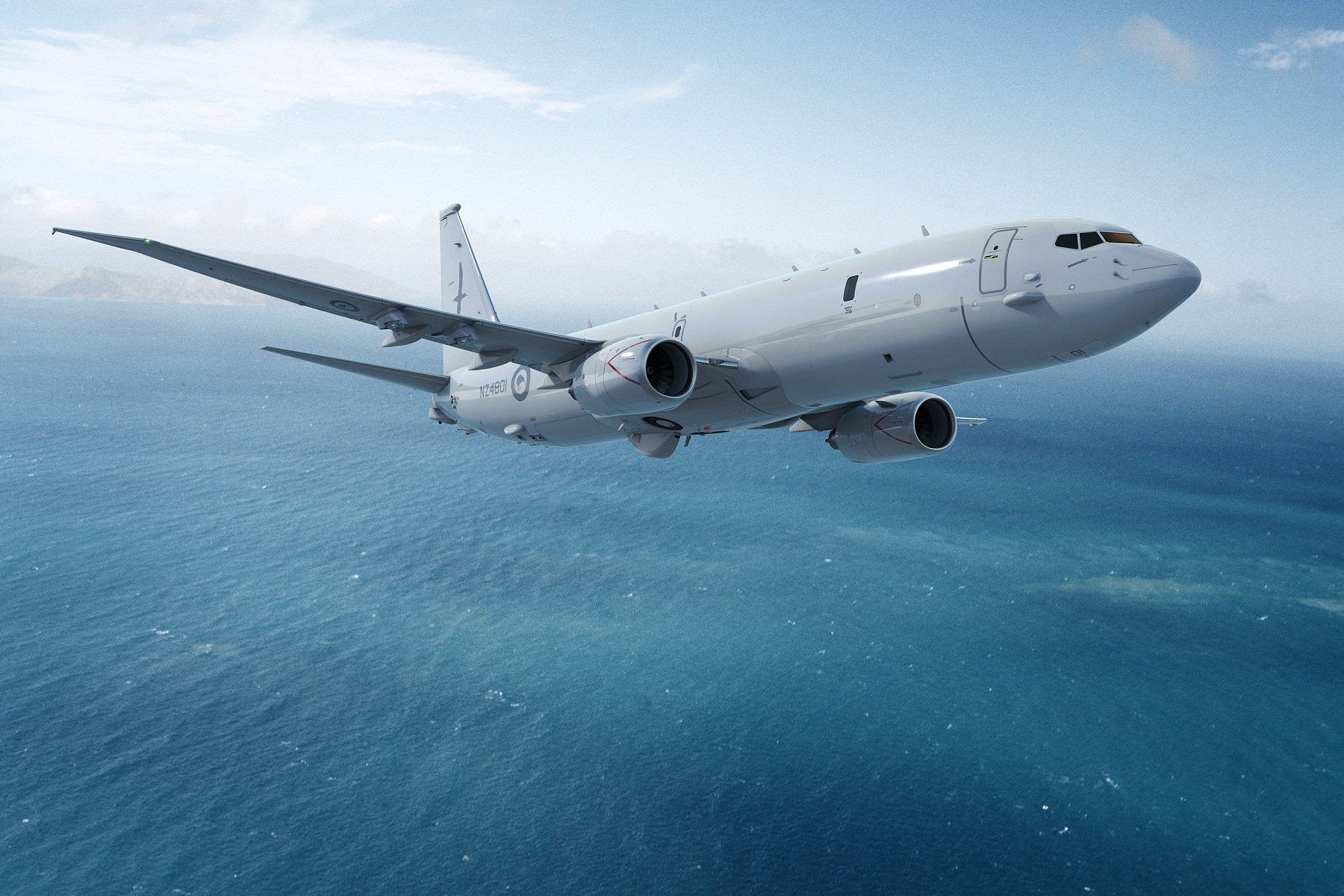
The cost of acquiring the Boeing P-8 Poseidon varies significantly across countries, depending on when the deal was signed, the number of aircraft ordered, and the scope of the package—particularly whether it includes weapons, training, infrastructure, and long-term support.
Earlier buyers secured relatively lower prices. Australia, for instance, acquired eight aircraft for around $3.6 billion, translating to roughly $450 million per aircraft with a full support package. The United Kingdom’s deal for nine aircraft in 2016 came to about $3.2 billion, or approximately $355 million per jet.
Norway and New Zealand also fell within a similar range, paying roughly $350–365 million per aircraft. Germany’s procurement showed even lower baseline costs in some cases, ranging between $260 million and $350 million per aircraft, depending on configuration and support elements.
However, more recent contracts reflect a clear upward trend in pricing. Denmark’s order for three aircraft is estimated at around $1.8 billion, or roughly $600 million per aircraft. Singapore’s deal for up to four aircraft also falls in the $575–580 million range per unit. Canada’s larger procurement—potentially up to 16 aircraft—includes extensive infrastructure and support components, pushing the overall per-unit cost even higher.
For context, the base “flyaway” cost of the aircraft for the U.S. Navy is significantly lower, typically around $150–200 million. However, export deals rarely reflect this figure, as they include a wide range of additional systems and long-term support packages under government-to-government agreements.
Why India’s Deal Is More Expensive
India’s latest deal for the Boeing P-8I Poseidon appears more expensive than many earlier procurements, and several factors contribute to this.
One of the primary reasons is timing. India is negotiating this purchase at a time when global inflation and supply chain disruptions have driven up costs across the defense sector. In addition, the deal is being conducted through the U.S. Foreign Military Sales (FMS) framework, which bundles not just the aircraft but also weapons, training, spare parts, and long-term maintenance support into a single package.
Customization also plays a role. The P-8I variant includes India-specific systems and modifications, which add to the overall cost. Furthermore, the relatively small batch size—just six aircraft—limits the benefits of economies of scale that larger orders typically enjoy.
Unlike some defense deals, this procurement also does not include significant offsets or technology transfer components that could otherwise help balance the cost.
Taken together, these factors explain why India’s current deal appears more expensive, even though it aligns with the broader trend of rising costs for advanced maritime patrol aircraft worldwide.
