
Airlines
DGCA Flags 51 Lapses in Air India Audit, Covering Training and Simulator Issues
Air India comes under DGCA scrutiny after 51 training and safety issues are found, raising serious concerns over pilot readiness and flight operations.

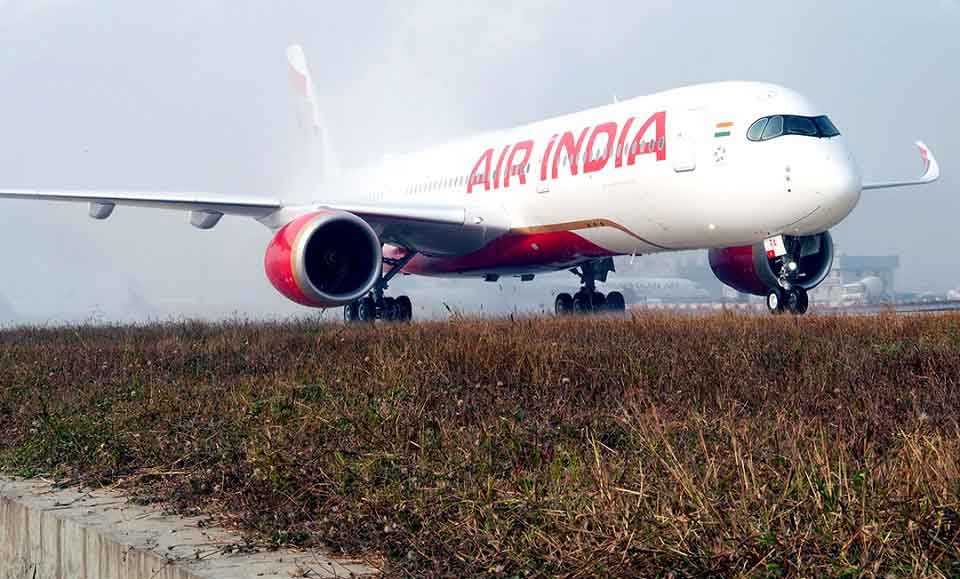
In a startling revelation that has put India’s national carrier under intense scrutiny, Reuters has reported that Air India is facing serious questions over its operational safety and crew training standards.
A recent audit conducted by India’s aviation regulator, the Directorate General of Civil Aviation (DGCA), uncovered 51 safety-related lapses, prompting concern across the country’s aviation sector—especially in the aftermath of a deadly incident involving Air India Flight AI171 earlier this year.
According to a government report reviewed by Reuters, the DGCA’s July audit revealed systemic issues across Air India’s training and operational protocols. These include inadequate pilot training, the use of unapproved simulators, and a flawed crew rostering system that in some cases allowed flights to operate without the required number of cabin crew.
One of the audit’s most troubling findings was that some Boeing 787 and 777 pilots were evaluated without completing required in-flight monitoring, raising alarms about oversight and compliance within the airline’s training department.
The audit further flagged that Air India failed to conduct “proper route assessments” for Category C airports—challenging airfields that demand specialized crew proficiency. Even more concerning, simulators used to train for these routes did not meet the required qualification standards, according to the DGCA’s findings.
In its response to Reuters, Air India maintained that it had been “fully transparent” throughout the audit process and pledged to submit a detailed response along with corrective actions to the regulator within the mandated timeframe.
The airline’s rostering system was also heavily criticized. The report noted the absence of automated “hard alerts” to prevent understaffed flights, with at least four international flights operating below minimum cabin crew requirements.
Further discrepancies were identified in areas such as:
- Inconsistencies in door and safety equipment checks
- Gaps in training documentation
- Lack of designated chief pilots for key aircraft types, including the Airbus A320 and newly inducted A350.
The absence of leadership in these fleets, the audit concluded, resulted in a “lack of accountability and effective oversight” of flight operations.
Despite these serious concerns, Air India appears undeterred in its broader growth plans. In a strategic financial move, the airline is now seeking to raise $200 million to bolster its long-haul operations. The funds will support the acquisition of widebody aircraft, which are essential to the airline’s international ambitions.
The loan is being arranged through AI Fleet Services IFSC Ltd., a special-purpose subsidiary based in Gujarat’s GIFT City, India’s new international financial hub. This arm of Air India manages aircraft purchases and leases for both Air India and its budget counterpart, Air India Express.
For more aerospace news, check out JetlineIntel.
Want to buy aviation merchandise? Visit Jetshop.in.
To read Jetlinemarvel’s updates on Google News, head over to Google News.



