
Defence
Why Portugal Rejected the F-35 Deal and What It Means for NATO
Portugal may shift from U.S.-made F-35 fighter jets to European alternatives, citing U.S. unpredictability and growing NATO defense concerns.

For decades, Portugal has maintained robust defense ties with the United States, operating American-made fighter jets like the F-16 as part of its NATO commitments.
However, recent geopolitical shifts and concerns over U.S. foreign policy unpredictability have prompted Portugal to reevaluate its fighter jet procurement strategy, potentially favoring European alternatives over the Lockheed Martin F-35A.
Portugal’s Aging F-16 Fleet and the F-35 Dilemma
Portugal currently operates a fleet of 20 F-16 fighter jets, a significant reduction from the original 45 acquired over two decades ago. While these aircraft have been upgraded, they are slated for retirement by the early 2030s.
Initially, the F-35A was considered the front-runner to replace the aging fleet. In 2023, General João Guilherme Rosado Cartaxo Alves, Chief of Staff of the Portuguese Air Force (FAP), publicly endorsed the F-35A as the preferred choice. However, recent developments have cast doubt on this decision.
Geopolitical Concerns Drive Portugal Toward European Alternatives
Portuguese Defence Minister Nuno Melo recently signaled a potential shift away from the F-35, citing U.S. unpredictability as a key factor. In an interview with Publico, Melo emphasized the importance of geopolitical stability in defense procurement decisions.
“The recent position of the United States in the context of NATO must make us think about the best options, because the predictability of our allies is a greater asset to take into account,” he stated.
This reconsideration comes amid growing European unease over the stability of Transatlantic defense relations. Since Donald Trump’s presidency, the U.S. has adopted a more confrontational approach toward NATO allies, demanding increased defense spending and even threatening to reduce support.
Recent reports of U.S.-Russia talks on Ukraine, conducted without European involvement, have further strained alliances. With the possibility of Trump’s return to office in 2025, European nations are increasingly wary of relying on U.S. defense systems.
European Concerns Over U.S. Defense Dependence
European military leaders have raised alarms about potential disruptions in U.S. military equipment deliveries, including software updates and spare parts for American-made aircraft. German defense experts have speculated that the U.S. could use a “kill switch” to disable the F-35 in the event of political disagreements. While Belgian and Swiss officials have dismissed these claims, the fear of strategic dependence on U.S. hardware persists.
The F-35: A Technological Powerhouse with Growing Skepticism
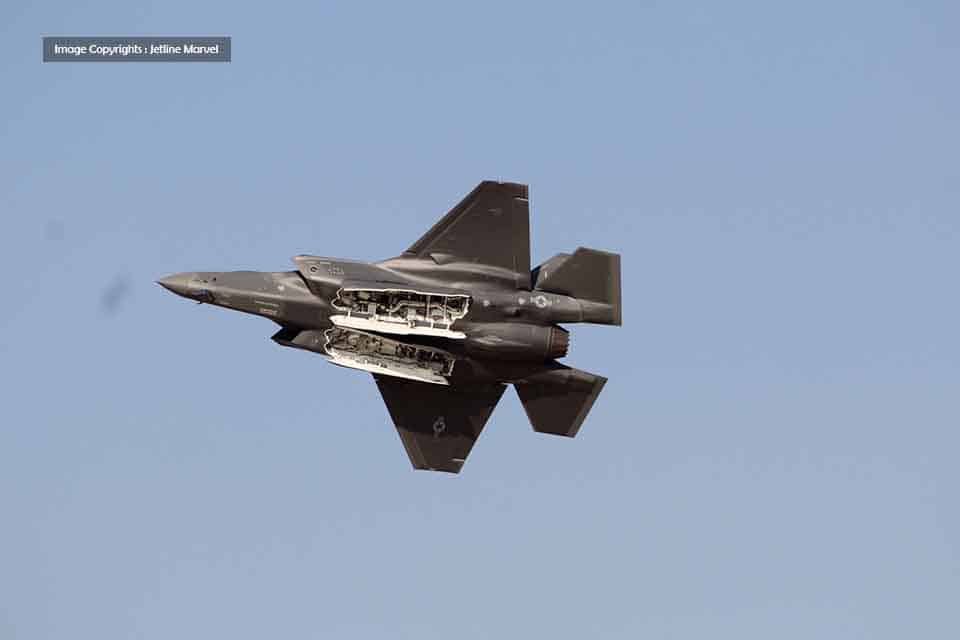
The F-35 Lightning II, developed by Lockheed Martin, is a state-of-the-art multirole fighter jet renowned for its stealth capabilities, advanced avionics, and superior situational awareness. With a top speed of Mach 1.6, an operational range of 1,380 miles (2,220 km), and compatibility with precision-guided weapons, the F-35 has become a cornerstone of NATO air forces. Fourteen NATO members currently operate or await deliveries of the F-35.
Implications for Lockheed Martin and European Defense
For Lockheed Martin, Portugal’s decision represents a setback, but the company remains focused on expanding its global customer base. By early 2025, over 1,000 F-35s are expected to be delivered, with nearly one-third going to international buyers. However, any wavering by NATO allies could impact Lockheed’s stock value and long-term sales outlook.
Portugal’s pivot toward European-made fighter jets marks a pivotal moment in NATO’s defense strategy. As geopolitical tensions rise and U.S. reliability comes into question, Portugal’s decision may inspire other NATO members to explore independent defense solutions, potentially reshaping the future of European military procurement.



