
Defence
IAF Gets Boost as Oman Transfers 20 Jaguar Fighters for Spare Parts
Oman’s handover of 20 Jaguar jets offers the IAF a crucial lifeline for maintaining its aging fleet as India struggles with fighter shortages and rising regional threats.

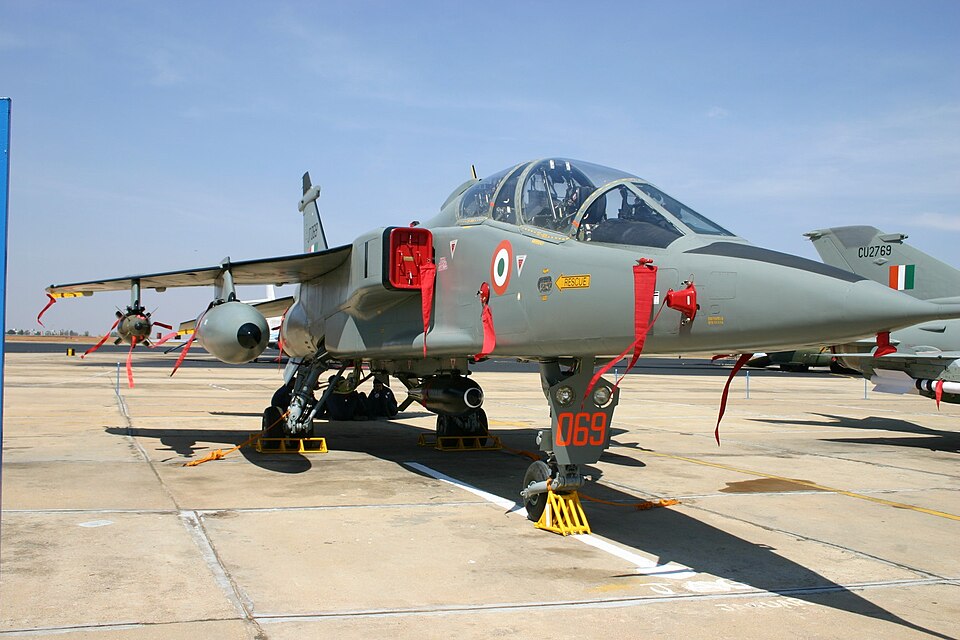
As India works to maintain its shrinking fighter fleet amid rising regional threats, a quiet but significant boost is on the way. In a rare international transfer, Oman is set to hand over nearly 20 retired Jaguar fighter jets to the Indian Air Force (IAF).
These vintage aircraft—once the backbone of Oman’s air arm—won’t take to the skies again, but their components will breathe new life into India’s aging Jaguar squadrons. For the IAF, struggling to keep legacy fighters operational, this transfer couldn’t have come at a better time.
Oman will soon transfer close to 20 retired Jaguar fighter jets to India, a move that will give the Indian Air Force (IAF) a fresh supply of desperately needed spares.
These aircraft, which served the Royal Air Force of Oman for decades, will be dismantled upon arrival and used to support India’s existing Jaguar fleet. With the jet’s global production long discontinued, sourcing spares has become increasingly difficult—and expensive—for operators worldwide.
India remains one of the few countries still flying the Anglo-French Jaguar, operating six squadrons, each containing 18–20 fighters.
As the French Air Force, Royal Air Force (UK), and now Oman have phased out the platform, India has been forced to rely on either expensive custom-made parts or rare foreign stocks. By cannibalising these Omani airframes, the IAF can refurbish, repair, and sustain its current Jaguars more efficiently and at a far lower cost.
Unique Features of the Jaguar Fighter Jet
Despite its age, the SEPECAT Jaguar remains respected for several distinctive qualities:
- Deep Strike Precision: Designed for low-level penetration missions, the Jaguar can fly close to the ground to avoid radar detection—one of the reasons India still values it as a strike aircraft.
- Robust Twin-Engine Reliability: Its dual Rolls-Royce/Turbomeca Adour engines offer strong survivability and redundancy.
- Stable Handling: The Jaguar is known for forgiving flight characteristics, making it safer than many other fighters of its generation.
- Powerful Payload: It can carry bombs, rockets, precision weapons, cluster munitions, and laser-guided bombs across multiple hardpoints.
- All-Weather Capability: Equipped for desert, maritime, and wartime strike missions, the Jaguar remains a versatile platform even decades after its debut.
These characteristics contributed to its strong service record in the IAF, where it has been considered one of the safer and more dependable older fighters.
Why India Still Needs the Jaguars
The IAF currently fields only 30 fighter squadrons—well below the required strength of 42. With multiple jets such as the MiG-21 and Jaguar nearing retirement, replacements cannot arrive quickly enough.
Although India has inducted two Rafale squadrons and is negotiating for 114 more under the MRFA programme, the timeline remains uncertain. The indigenous Tejas light combat aircraft, of which around 200 are on order, will take several years to be delivered in full.
Until then, the Jaguar fleet—despite its advanced age—must remain operational. The infusion of Omani airframes will help extend their life during this transitional period, ensuring the IAF doesn’t lose additional squadron strength.
For more aerospace news, check out JetlineIntel.
Want to buy aviation merchandise? VisitJetshop.in.
To read Jetlinemarvel’s updates on Google News, head over to Google News.

You must be logged in to post a comment Login