
Airlines
Why Are Airlines Dismantling the A220 and A380 So Soon?
An Airbus A220-300 will be retired and dismantled for parts amid a severe global aviation parts shortage, in a first-of-its-kind move by lessor Azorra.

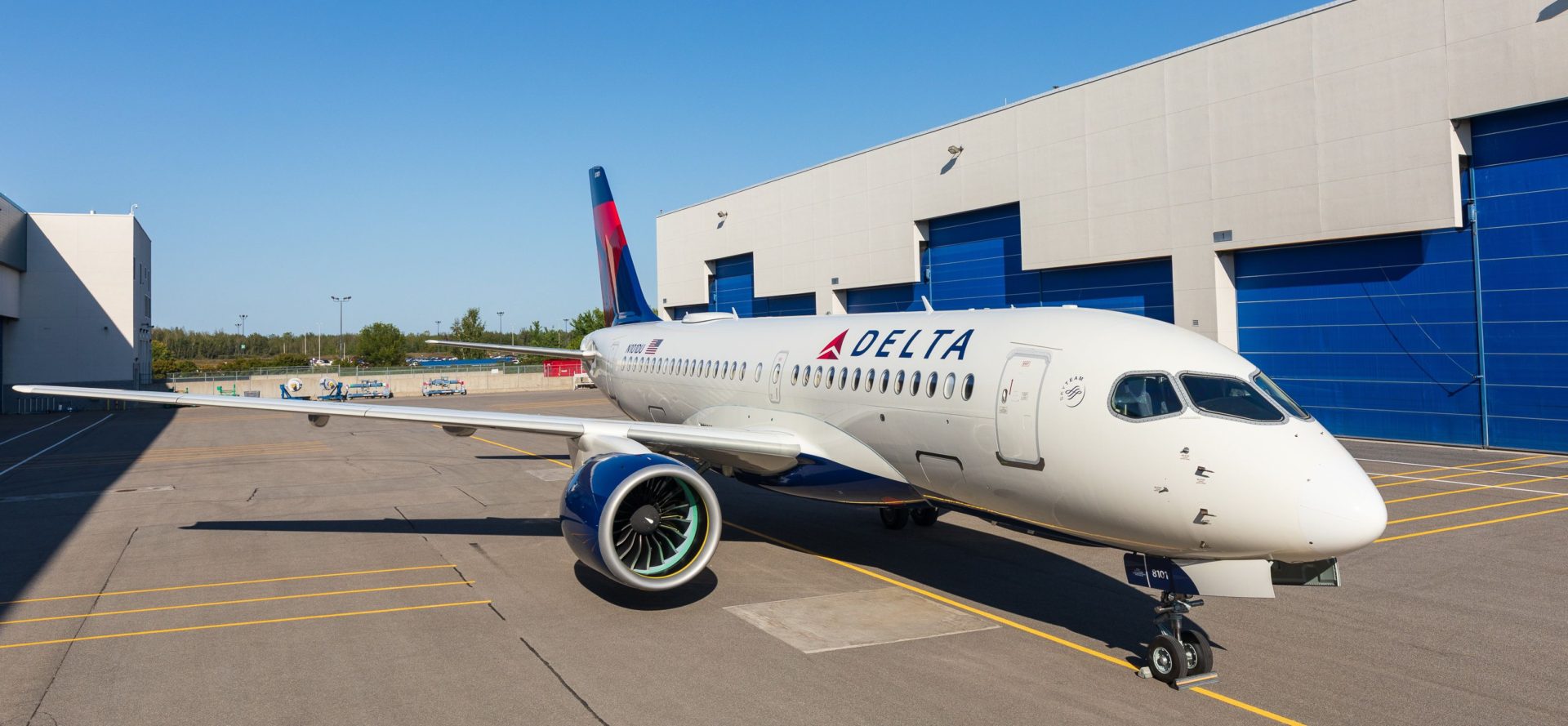
The Airbus A220, a state-of-the-art, fuel-efficient narrow-body jet developed by Airbus Canada Limited Partnership, was designed to revolutionize short- to medium-haul air travel. With its advanced aerodynamics, superior fuel efficiency, and passenger comfort, the A220 quickly became a favorite among airlines.
Yet, in a surprising industry shift, one of these modern jets is now being retired and dismantled for spare parts—a fate typically reserved for older aircraft. Even more striking, two Airbus A380 superjumbos are also set to be scrapped this month.
The answer lies in the global aviation supply chain crisis, where parts shortages have become so severe that dismantling relatively young jets is now a necessary solution.
The First A220 Dismantled by a Lessor
In a historic move, Azorra, a leading aircraft lessor, has partnered with Delta Material Services (DMS) to part out an Airbus A220-300—marking the first time a lessor has taken such action for this aircraft model.
The jet in question, previously operated by EgyptAir, was part of a fleet of 12 A220s that the airline retired due to ongoing operational challenges, particularly with its Pratt & Whitney PW1500G engines. These engines, while efficient, have faced reliability issues, leading to frequent inspections and maintenance disruptions.
With the engines already removed and repurposed to support Delta Air Lines’ operations, the remaining airframe will be dismantled to supply much-needed A220 spare parts to the market.
Why Is the A220 Spare Parts Market So Tight?
The A220 parts shortage is largely driven by:
PW1500G Engine Issues – Persistent maintenance demands have grounded multiple A220s, increasing pressure on available spares.
Supply Chain Delays – Post-pandemic recovery has been slow, with manufacturers struggling to meet demand.
Growing A220 Fleet – More airlines are adopting the jet, but parts production hasn’t kept pace.
A Strategic Move, Not a Rejection of the A220
Despite this dismantling, Azorra remains confident in the A220’s future. Mark Baur, representing the lessor, stated:
“We’re big believers in the Airbus A220, and it remains a highly valuable asset. Parting out this used airframe and leasing its engine is a creative solution that ensures other A220s keep flying.”
Will This A220 Ever Fly Again?
It’s unclear whether this A220-300 will be rebuilt and returned to service once supply chains stabilize. For now, its sacrifice helps sustain the broader A220 fleet—a stark reminder of the challenges facing modern aviation.
Key Takeaways:
- A young Airbus A220-300 is being dismantled for parts due to supply shortages.
- Pratt & Whitney engine issues are a major factor in the A220’s grounding.
- This is the first time a lessor has parted out an A220, signaling the severity of the parts crisis.
- Despite this, the A220 remains a key aircraft for airlines and lessors.
As the aviation industry navigates these turbulent times, creative solutions like this may become more common—ensuring that efficient jets like the A220 stay in the skies.



