
Defence
Tejas Mk-1A Setbacks: How India’s Ambitious Fighter Jet Program Faces Hurdles

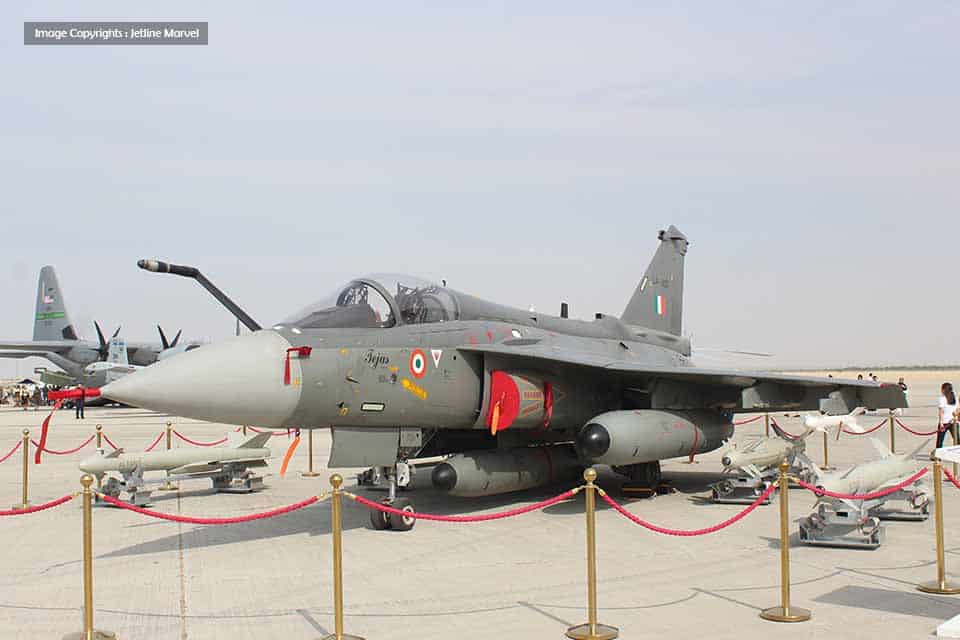
The Indian Air Force is facing mounting concerns over delays in the Tejas Light Combat Aircraft (LCA Mk-1A) programme, which threatens to undermine the nation’s air combat readiness. As reported by Financialexpress.
The IAF had anticipated the delivery of the first Tejas Mk-1A jets earlier this year under a substantial Rs 48,000-crore contract with Hindustan Aeronautics Limited (HAL). However, unforeseen delays have pushed back the programme’s timeline, putting pressure on the IAF’s operational capabilities.
The crux of the delay centers around the acquisition of American F404 engines, which are essential for the Tejas Mk-1A aircraft. The Indian government had contracted for 83 of these advanced jets, but a significant hold-up in the delivery of the engines has caused a 9-month delay.
Comparison between Tejas mk 1 and Tejas mk 2:Click here
This situation not only hampers the IAF’s preparedness but also casts a shadow over the indigenously-developed fighter aircraft programme. Reports indicate that while General Electric (GE), the engine manufacturer, is not encountering internal issues, the delay is attributed to complications involving various intermediaries.
These supply chain disruptions are having a ripple effect, extending beyond the Indian defence sector and impacting North America’s space industry as well. The delay is particularly troubling given the IAF’s current fleet challenges.
How will be the Tejas Mark 2 compared to the F-16 block 50/52?:Click here
By the end of 2025, the IAF’s squadron strength is projected to decrease to just 29 squadrons. This reduction is partly due to the phased retirement of the MiG-21 Bison squadrons, which have long been a cornerstone of the fleet. The expected replacement, the Tejas Mk-1A, is not anticipated to arrive on time, exacerbating the shortfall.
A significant factor in the delay is the failed attempt to develop an indigenous engine for the Tejas. The Defence Research and Development Organisation (DRDO) had initially embarked on the Kaveri engine project in the 1980s.
Despite substantial investment and effort, the project faced numerous technical and financial hurdles, leading to its eventual abandonment. The inability to produce a viable indigenous engine forced India to depend on foreign suppliers like GE, making the programme vulnerable to external supply chain disruptions.
In response to these challenges, the IAF has taken measures to consolidate its remaining MiG-21 squadrons to maximize operational efficiency while awaiting the arrival of the new Tejas aircraft. However, the delay underscores the pressing need for more reliable and timely production capabilities to meet the IAF’s strategic requirements.
