
Defence
India Turns Down U.S. F-35 Jet Offer Amid Trump’s Tariff Pressure: report
India turns down the U.S. F-35 offer amid trade tensions, signaling a shift toward indigenous defense production and a fresh proposal from Russia.

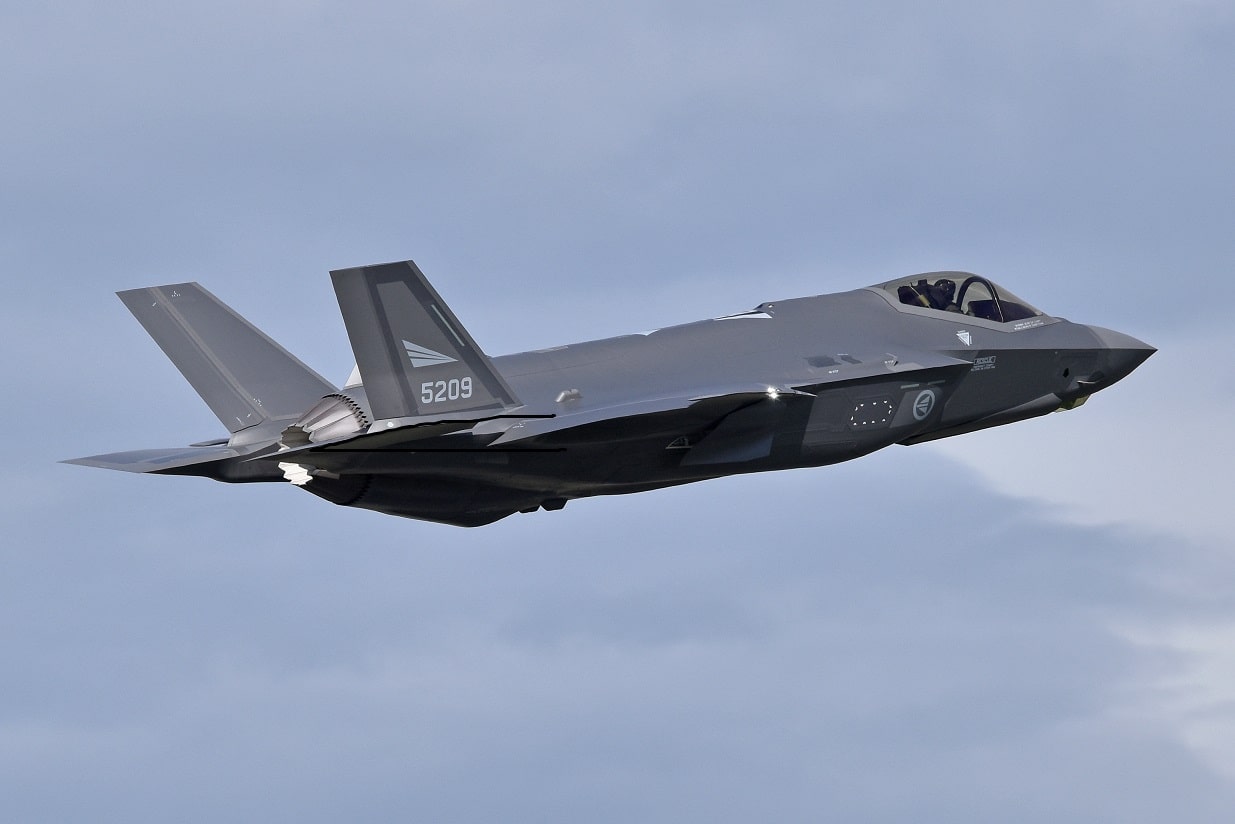
As tensions simmer between New Delhi and Washington over trade imbalances and tariffs, a new twist has emerged—India has reportedly turned down the United States’ long-standing offer of the cutting-edge F-35 stealth fighter jet.
Despite mounting diplomatic pressure, defense acquisitions from the U.S. are off the table, signaling India’s shifting priorities in both national security and strategic autonomy.
No to F-35 Despite Washington Pressure
According to a recent Bloomberg report, Indian officials have made it clear to their U.S. counterparts that New Delhi is not interested in acquiring the F-35 fighter jet, one of the most advanced military aircraft in the world. This decision comes amid escalating trade tensions, particularly after President Donald Trump threatened a 25% tariff on Indian imports.
While India has refrained from any immediate retaliatory steps, the Modi government is actively exploring ways to reduce its trade surplus with the U.S.—including increasing imports of American natural gas, gold, and telecom equipment.
Strategic Over Acquisition: “Buying is Not Enough”
The F-35 offer has long been viewed as a key gesture from the U.S. to deepen defense ties and bolster India’s role as a counterweight to China in the Indo-Pacific. Yet, officials quoted in the Bloomberg report emphasized India’s evolving defense philosophy—a focus not just on acquiring weapons, but also on building capabilities at home.
As one senior official put it: “Buying is not enough—we want to build.”This reflects India’s growing emphasis on Make in India, technology transfer, and local defense production, particularly for next-generation platforms.
The F-35 program is among the most expensive military projects in history, with total costs exceeding $1.7 trillion for development, production, and maintenance. Acquiring and maintaining these jets will require significant financial resources. However, given India’s status as the world’s fifth-largest economy—and its projected growth to become the third-largest—this investment could prove essential for national security.
Russia’s New Fighter Offer in the Mix
While the U.S. offer stalls, Russia has stepped in with a proposal more aligned with India’s strategic and industrial vision. In July, Moscow proposed a dual-package deal featuring:
- The Su-57E fifth-generation stealth fighter
- The Su-35M multirole air superiority jet
The proposal, submitted by Rostec and Sukhoi, promises not just combat capability but also industrial collaboration—something India values highly in defense partnerships.
A Signal of Strategic Autonomy
India’s rejection of the F-35 is not just a defense decision—it’s a broader signal of strategic autonomy and industrial self-reliance. With global power dynamics shifting and geopolitical stakes rising in Asia, New Delhi appears determined to chart its own defense path, favoring partnerships that go beyond buyer-seller relationships.
Whether or not this rejection is final remains to be seen—but for now, India has made clear that advanced jets alone are not enough to win its defense deals.
For more aerospace news, check out JetlineIntel.
Want to buy aviation merchandise? Visit Jetshop.in.
To read Jetlinemarvel’s updates on Google News, head over to Google News.
