
Aviation
Boeing Abandons Anti-Ice Fix, Delays 737 MAX-7 and MAX-10 Certification to 2026
Boeing’s MAX-7 and MAX-10 hit further delays amid safety scrutiny, but major aircraft orders from Japan and Bangladesh offer hope for the embattled manufacturer.

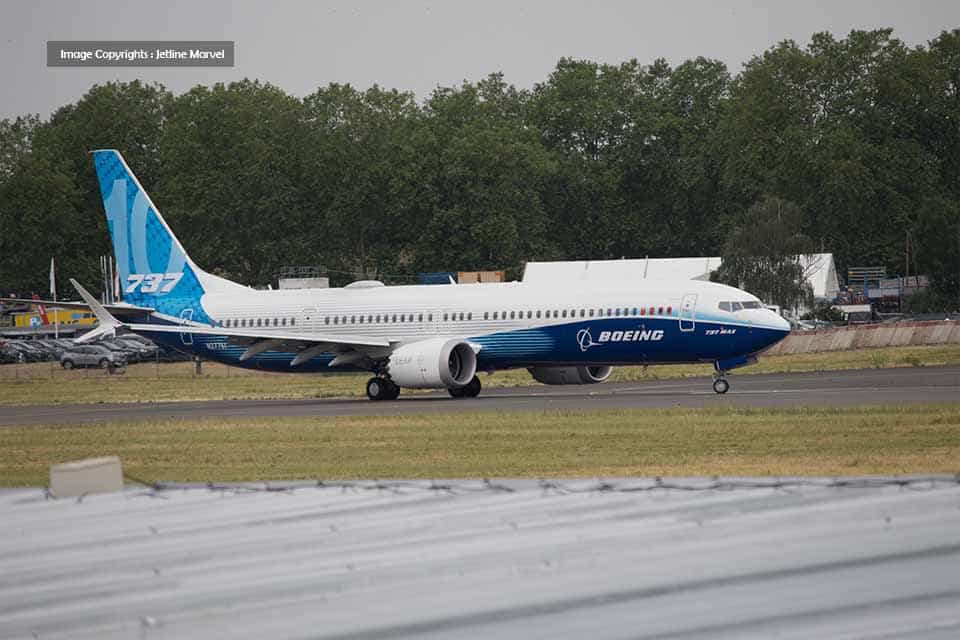
Once a symbol of modern efficiency in aviation, Boeing’s 737 MAX program continues to face turbulence. After years of setbacks, scrutiny has again intensified as both the B737 MAX 7 and B737 MAX 10 variants face fresh certification delays—now not expected until 2026.
At the heart of the delay is a scrapped engine anti-ice redesign, legacy system limitations, and heightened regulatory oversight following the MAX tragedies of 2018 and 2019.
While Boeing assures regulators and customers that fixes are on the way, the long road to certification reflects the deep-rooted issues plaguing one of the world’s most ambitious aircraft programs. Yet, amid uncertainty, new orders from Japan and Bangladesh offer a glimmer of hope for the embattled aerospace giant.
Engine Anti-Ice System and Design Issues Delay Certification
According to The Air Current, the B737 MAX-7 and MAX-10 aircraft are moving toward certification, but not without obstacles. The anti-ice system design flaw—a critical safety concern—remains unresolved.
Although Boeing initially proposed a redesign of the engine anti-ice system, the plan was ultimately scrapped, and the manufacturer has now told both Congress and the FAA that it will fix the issue before any aircraft deliveries.
This comes as the FAA intensifies scrutiny in response to past tragedies. Both the 2018 and 2019 fatal MAX crashes have led to tougher certification processes, stretching timelines and compounding pressure on Boeing and its airline customers.
Market Reaction: Delays Shake Confidence
The lengthy certification delays have already had a ripple effect.
- Southwest Airlines, the largest customer for the B737 MAX 7, has pushed its expected delivery to 2026.
- Southwest alone has 295 aircraft on order, with other customers like Luxair, Ruili Airlines, and SkyUp Airlines contributing to a total of 326 MAX-7 orders, with 22 yet unassigned.
For the larger MAX-10, Boeing has secured 1,271 orders, including:
- United Airlines: 165 aircraft
- Ryanair: 150 aircraft (first 15 expected by spring 2027)
- American Airlines: 115 aircraft
The in-service MAX 8s and 9s also use the same problematic engine anti-ice system. However, they were certified before the issue was identified, and thus remain in service. In response, the FAA has ordered airlines to restrict system use to confirmed or expected icing conditions, pending a redesign.
Production Cap and Ongoing Oversight
Following a series of safety failures—including a high-profile door plug blowout on a MAX 9 due to missing bolts—the FAA, under Administrator Mike Whitaker, imposed a production cap of 38 aircraft per month starting in January 2024. This cap remains in place to ensure quality control and safety compliance during manufacturing.
Boeing has said its workforce is expected to return in November 2025, as the company works to regain momentum and trust.
New Orders: Japan and Bangladesh Step In
Despite the setbacks, Boeing has landed two significant new deals that signal international confidence in the brand’s long-term prospects:
- Japan has committed to purchasing 100 Boeing aircraft as part of a broader strategy to strengthen U.S.-Japan economic and defense ties. The announcement, made by former U.S. President Donald Trump, was framed as a win for American industry and bilateral cooperation.
- Bangladesh has ordered 25 Boeing aircraft, linking the deal to efforts to ease U.S. trade tensions and reduce a $6 billion trade deficit. The move also aimed to avoid a looming 35% tariff hike once threatened by the U.S. government.
For more aerospace news, check out JetlineIntel.
Want to buy aviation merchandise? Visit Jetshop.in.
To read Jetlinemarvel’s updates on Google News, head over to Google News.
