
Aviation
AirAsia Eyes China’s C919, While Air Cambodia Places Major Order for C909
COMAC secures major deals as AirAsia shows interest in the C919 and Air Cambodia commits to C909 aircraft to meet growing regional demand.

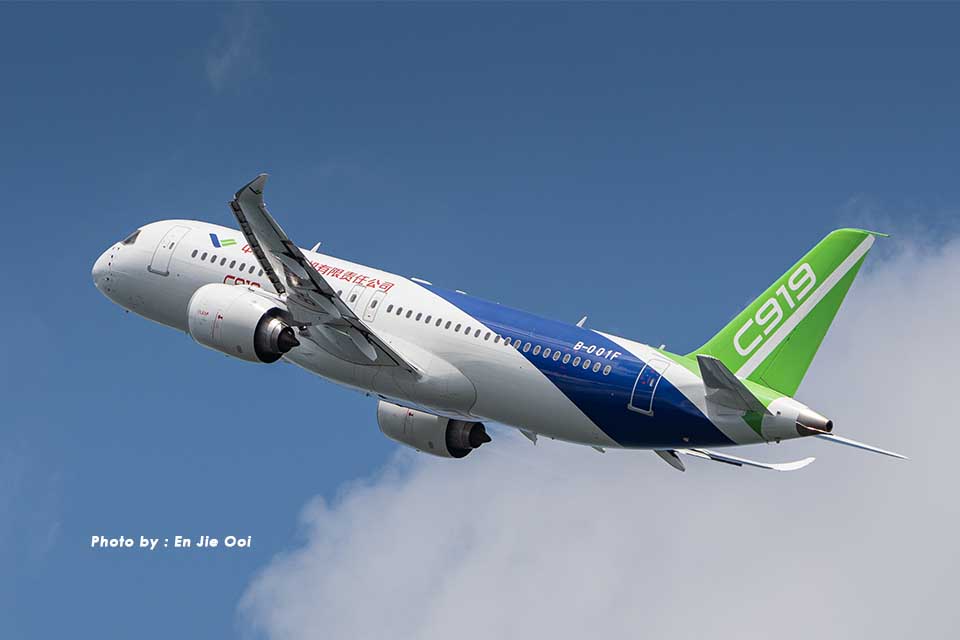
China’s aviation sector is taking off at full throttle. With Airbus and Boeing struggling to keep up with delivery schedules, Southeast Asian airlines are turning their attention to a new player—China’s state-owned aircraft maker COMAC.
The company’s latest jets, the c919 news and the smaller C909, are quickly gaining ground as affordable and competitive alternatives.
According to the Sources, Malaysian low-cost carrier AirAsia has announced strong interest in purchasing COMAC’s flagship narrowbody aircraft, the C919.
Speaking at the Belt and Road Summit in Hong Kong, AirAsia’s parent company CEO, Tony Fernandes, confirmed that discussions are already underway with COMAC.
“We’re in active discussions to buy the C919, and we’re the first foreign airline to be working with COMAC on this deal,” Fernandes said, highlighting the strategic importance of tapping into Southeast Asia’s 700 million-strong population and strengthening business ties between China and ASEAN.
Meanwhile, Air Cambodia has taken a decisive step forward, signing an agreement with COMAC for 10 firm orders of the C909 regional jet, with options for 10 more, bringing the potential total to 20 aircraft. This marks Cambodia’s entry into the growing list of Southeast Asian operators embracing Chinese-built jets.
Unique Features of the COMAC C919
- Seats up to 192 passengers
- Flying range of about 5,555 km
- Designed as a direct competitor to the Airbus A320neo and Boeing 737 MAX
- Focus on fuel efficiency and lower operating costs
Unique Features of the COMAC C909
- A regional narrowbody jet suitable for short to medium-haul routes
- Ideal for emerging markets like Cambodia with growing passenger demand
- Cost-effective solution for airlines expanding within Asia
- Offers flexibility with smaller passenger loads compared to the C919
With South Asia and Southeast Asia seeing a sharp rise in travel demand, COMAC’s entry into the market provides airlines a timely alternative. For AirAsia, it signals a bold move to diversify its fleet and secure future growth. For Air Cambodia, it represents an investment in regional connectivity and modernisation.
As Airbus and Boeing struggle to deliver on time, COMAC’s rise may reshape the balance of the global aviation industry—one order at a time.
For more aerospace news, check out JetlineIntel.
Want to buy aviation merchandise? Visit Jetshop.in.
To read Jetlinemarvel’s updates on Google News, head over to Google News.



