
Defence
HAL Gets Green Light as Denmark Lifts Ban on Tejas Mk1A Component Supply
Denmark’s reversal on the export ban of the engine charge amplifier enables HAL to maintain Tejas Mk1A deliveries,

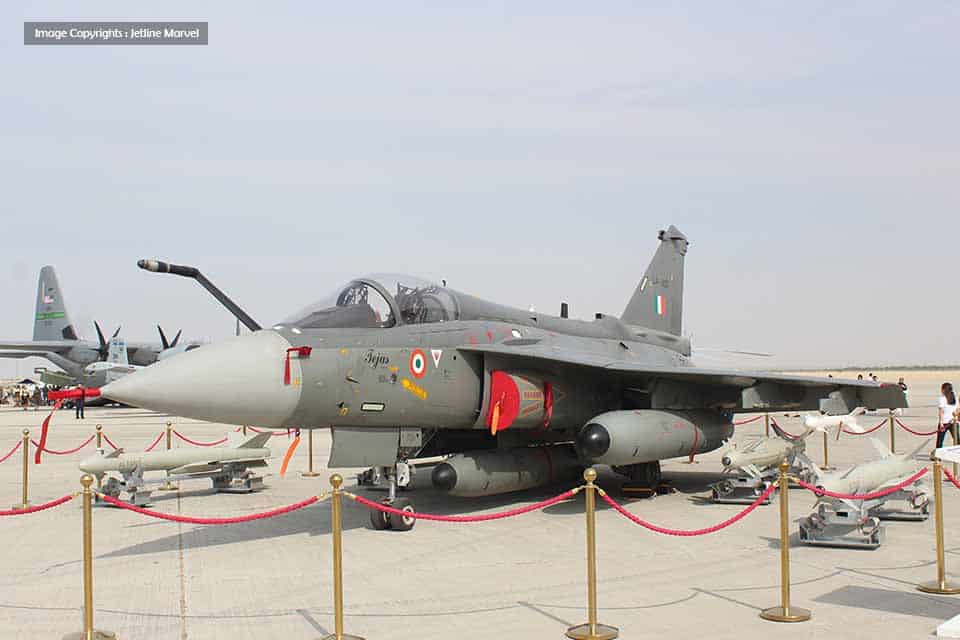
In a major relief for India’s indigenous fighter jet program, Denmark has officially lifted its export ban on a key component for the Tejas Mk1A, breathing new life into the aircraft’s production and delivery schedule. According to the Sources.
The decision comes after sustained Indian diplomatic efforts and marks a turning point in ensuring smooth induction of the much-awaited jets into the Indian Air Force.
The Critical Component
The component at the center of the issue is the engine charge amplifier—a vital part that measures engine temperature and regulates operations.
Previously blacklisted by Denmark, its absence had stalled progress and raised concerns over delays in the Tejas Mk1A program. With the ban lifted, Hindustan Aeronautics Limited (HAL) has already begun receiving shipments from mid-2025, allowing the company to resume its planned delivery schedule of 16–18 jets annually starting late 2025.
Diplomatic Breakthrough
India raised the issue with Denmark at the diplomatic level, pushing for a resolution. This effort resulted in the removal of the amplifier from Denmark’s restricted export list, clearing the way for resumption of supplies. The move underscores the effectiveness of India’s foreign policy in protecting its strategic defense projects.
Boost to the Tejas Program
The timely arrival of the amplifier is crucial, as the Indian Air Force plans to induct 83 Tejas Mk1A aircraft by 2029. With the bottleneck removed, HAL is now confident of staying on track. At the same time, HAL has contracted a Bengaluru-based firm to indigenize production of the amplifier, reducing dependence on foreign suppliers in the future.
Indigenization Drive
This dual approach—resuming imports while accelerating local manufacturing—reflects India’s larger vision of self-reliance in defense manufacturing (Atmanirbhar Bharat). By localizing production of such critical components, India not only secures its defense supply chain but also enhances its competitiveness in the global fighter jet market.
Features of the Tejas Mk1A
The Tejas Mk1A is a single-engine, multi-role, lightweight combat aircraft designed for versatility and efficiency. Its key roles and features include:
- Air Defence & Superiority: Interception and combat air patrol missions.
- Strike Capability: Precision ground-attack and strike roles.
- Maritime Reconnaissance: Effective for coastal defense and naval operations.
- Modern Avionics: Advanced radar, electronic warfare suites, and integrated weapon systems.
Strategic Impact
The lifting of the export ban ensures that India’s fighter program remains on track despite earlier setbacks from engine supply delays and technical hurdles. For the Indian Air Force, this means steady modernization and uninterrupted induction of aircraft critical to its operational readiness.
Conclusion
Denmark’s reversal is more than just the resumption of a component supply—it reflects India’s growing diplomatic influence, defense resilience, and manufacturing capability.
With HAL fast-tracking indigenization and Tejas Mk1A proving itself as a cost-effective, reliable fighter, India is positioning itself as not only a strong regional air power but also a credible exporter in the global defense market.
For more aerospace news, check out JetlineIntel.
Want to buy aviation merchandise? Visit Jetshop.in.
To read Jetlinemarvel’s updates on Google News, head over to Google News.



