
Aviation
C919 Delivery Delays May Open the Door for a Boeing Sales Surge
COMAC’s C919 program hits turbulence with engine shortages and delivery delays, prompting Chinese airlines to renew Boeing orders amid trade realignment.

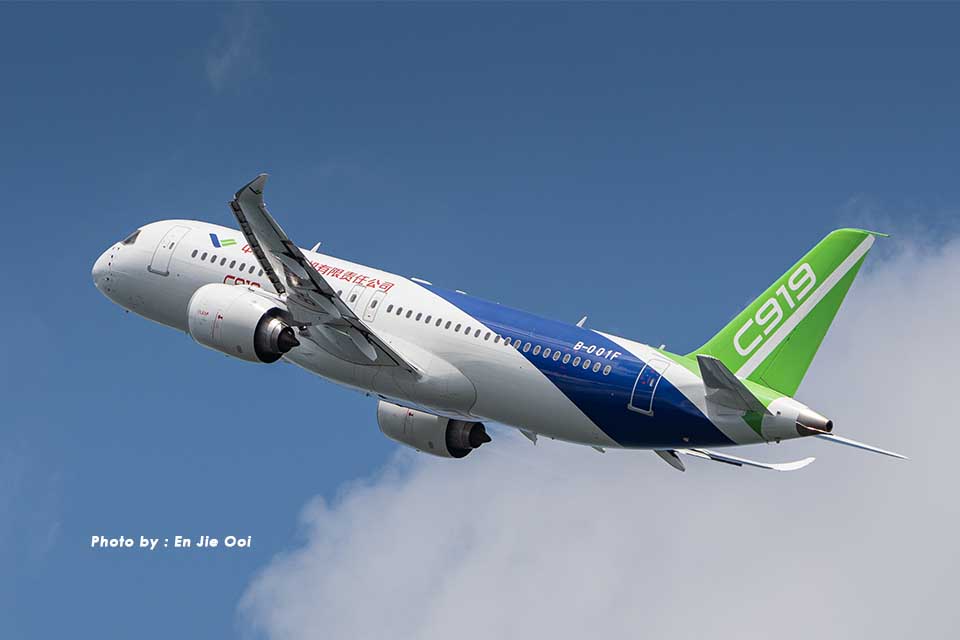
China’s ambitious push to challenge the Boeing–Airbus duopoly with its homegrown COMAC C919 is hitting turbulence once again.
What was meant to be a symbol of China’s aviation independence is now facing production delays, supply bottlenecks, and mounting geopolitical headwinds. As COMAC struggles to scale up deliveries, many Chinese airlines are quietly turning back to Boeing, signaling a potential shift in the global aircraft market balance.
China’s C919 Ambitions Hit Supply Chain Turbulence
According to industry sources, China’s state-owned aircraft manufacturer COMAC has increased its annual C919 delivery target from 50 to 75 units by 2025 in an effort to fast-track its presence in commercial aviation. However, the plan is facing serious obstacles.
Persistent supply chain disruptions — particularly with aircraft engines — have severely constrained production capacity.
Analysts suggest that the situation may have been worsened by a temporary U.S. export restriction on certain engine components, creating a critical supply bottleneck for the C919 program.
These challenges have forced COMAC to scale back its previously confident growth forecasts, shaking confidence among domestic airlines that had hoped for faster fleet integration.
Boeing Stands to Benefit Amid Chinese Setbacks
While COMAC grapples with production delays, Boeing appears to be regaining lost ground in China. Despite past tensions and safety controversies surrounding the 737 MAX, Chinese carriers have reportedly resumed negotiations and orders with the American manufacturer.
Industry insiders believe that recent Boeing purchases could serve as a diplomatic gesture, smoothing ongoing trade discussions between Beijing and Washington. With Boeing’s plea deal over 737 MAX crash charges closing a major legal chapter, Chinese airlines may find it politically and operationally advantageous to diversify their fleets with proven U.S.-built aircraft — especially as delivery reliability becomes a top concern.
COMAC’s Production Goals Under Pressure
In March 2025, COMAC executives reaffirmed at a supplier conference that the company aimed to boost manufacturing capacity by 50%, targeting 75 C919 deliveries by year’s end. Yet, despite ambitious goals, technical challenges, supply shortages, and certification delays continue to impede mass production.
Analysts warn that unless these structural issues are addressed, C919’s entry into global service on a large scale could remain limited, undermining Beijing’s broader goal of establishing China as a self-reliant aerospace powerhouse.
AirAsia’s Bold Bet on the C919
Even as Chinese airlines hedge their bets with Boeing, AirAsia is emerging as a surprising foreign champion of the C919.
The Malaysia-based budget airline giant, led by CEO Tony Fernandes, confirmed during the Belt and Road Summit in Hong Kong (September 10, 2025) that it is in advanced talks with COMAC to acquire the C919 — potentially becoming the first foreign airline to do so.
Fernandes described the negotiations as a strategic step toward breaking the Airbus-Boeing duopoly and expanding AirAsia’s fleet flexibility. “We’re in active discussions to buy the C919. We’re the first foreign airline to be working with COMAC on a deal for this jet,” he said, signaling confidence in China’s aerospace ambitions despite the challenges.
Regional Aviation Demand Remains Strong
Southeast Asia’s aviation market is projected to handle over 700 million passengers annually by the end of this decade, driving massive demand for fuel-efficient narrow-body jets. For airlines like AirAsia, the C919 could offer faster deliveries and lower acquisition costs, if COMAC manages to overcome its production hurdles.
However, for now, China’s internal production delays and export uncertainties are inadvertently boosting Boeing’s market momentum. As airlines seek reliable aircraft deliveries amid record post-pandemic demand, timing may determine who truly dominates the skies — Boeing, Airbus, or the rising but struggling COMAC.
For more aerospace news, check out JetlineIntel.
Want to buy aviation merchandise? Visit Jetshop.in.
To read Jetlinemarvel’s updates on Google News, head over to Google News.



