
Aviation
Comac C919 Moves Closer to Securing EU Certification with EASA

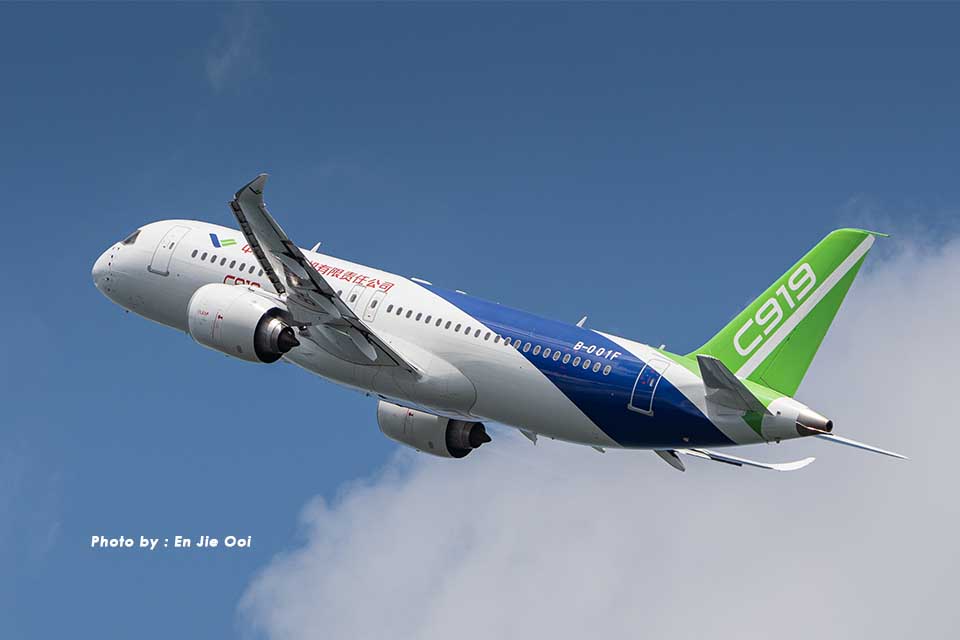
China’s first home-grown passenger jet, the C919, is edging closer to receiving certification from the European Union Aviation Safety Agency (EASA), following a crucial on-the-ground inspection by the regulator.
According to a report from the South China Morning Post, Chinese sources disclosed that EASA provided positive feedback after their second visit in July, a critical phase in the jet’s certification process.
During this visit, EASA inspectors engaged in hands-on evaluations using COMAC’s full-size level-D simulators, marking the third round of EASA’s four-step compliance demonstration process. This phase is particularly significant as it focuses on ensuring that the aircraft’s structure, electrical systems, and overall design meet stringent regulatory standards.
Aircraft comparisons between the comac C919 and the B737 max 8:Click here
The visit also included testing a Chinese-made complete flight simulator, which rivals the simulators used for the Airbus A320neo and Boeing 737 Max. comac c919 vs boeing 737 price
The positive feedback from EASA is a promising indicator, suggesting that the C919 may be on track for preliminary approval. While full certification remains distant, with European approval anticipated by 2025, this feedback is a critical milestone in the aircraft’s journey towards entering the international market.
Chinese media has expressed optimism about the C919’s progress, particularly as EASA has shown keen interest in the aircraft’s commercial operations within China. COMAC is expected to begin flight testing for EASA later this year or early next year, aligning with their goal of achieving full certification by 2025.
Is China’s COMAC C919 better than B737max and A319neo?:Click here
Currently, China Eastern Airlines, the only airline operating the C919, has seven of these jets in service, connecting major cities across five routes. As of the end of July, the C919 has flown 3,100 flights, carrying 420,000 passengers, underscoring its growing role in China’s aviation industry.
With EASA’s positive response and continued testing, the C919 is steadily moving closer to earning its place in the global aviation market, representing a significant achievement for China’s aerospace ambitions.



