
Defence
Pakistan Using Civilian Airlines as Shield, Keeps Airspace Open Amid Threats: India
As India and Pakistan engage in intense aerial strikes and missile exchanges, both sides claim significant victories, with Pakistan denying attacks on its airbases

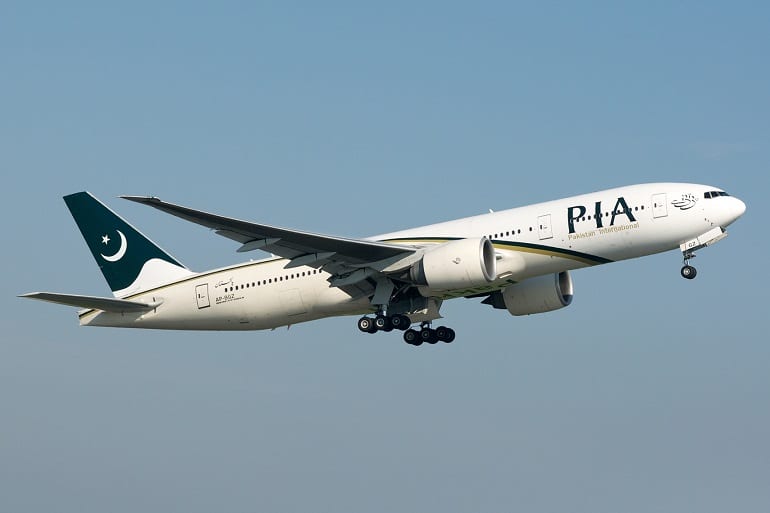
On May 7, 2025, at 8:30 PM IST, Pakistan once again displayed irresponsible behavior by launching a failed and unprovoked drone and missile attack on India. Despite this aggression, Pakistan did not close its civil airspace, posing a significant threat to international civil aviation.
Civilian Flights Used as Shields in Conflict Zone
Pakistan has been using civil airliners as shields, fully aware that any attack on Indian territory would prompt a swift air defense response. This tactic jeopardizes the safety of unsuspecting international and domestic civilian flights operating near the India-Pakistan International Border.
FlightRadar24 Data Highlights Ongoing Civilian Air Traffic
Data from the FlightRadar24 application during a high air defense alert in the Punjab sector reveals stark differences in airspace management between the two countries:
- Indian airspace was completely closed to civilian air traffic following the escalation, ensuring safety.
- In contrast, civilian aircraft continued to fly within Pakistani airspace, especially along the Karachi-Lahore corridor.
One example is an Airbus A320 operated by Flynas Aviation, which:
- Departed from Dammam at 17:50 hours
- Landed in Lahore at 21:10 hours
This instance underscores the potential danger to commercial airlines, which were unknowingly flying through a volatile region during an active military standoff.
Indian Air Force Displays Exceptional Restraint
The Indian Air Force (IAF) exhibited remarkable restraint, choosing not to escalate the situation further and prioritizing the safety of international civil aviation. Despite Pakistan’s provocative actions, India’s responsible conduct ensured that no civilian aircraft were endangered from its side.
Key Takeaways:
- Date of Incident: May 7, 2025, at 8:30 PM IST
- Event: Failed drone and missile attack by Pakistan on India
- Pakistan’s Action: Did not close airspace; used civilian aircraft as shields
- India’s Response: Closed airspace and maintained safety protocols
- Civilian Risk: International flights endangered near India-Pakistan border
- IAF Conduct: Maintained restraint to protect global civil aviation
Conclusion:
Pakistan’s decision to keep its civilian airspace open during military operations is a serious risk to international aviation safety. In contrast, India acted responsibly by closing its airspace and prioritizing the safety of passengers aboard international and domestic flights. This incident serves as a critical reminder of the importance of airspace management during conflict situations.
