
Defence
India to Buy 90 Rafale F4 Jets in $27 Billion Deal with France
India fast-tracks a $27 billion Rafale F4 deal with France, balancing urgent squadron needs against indigenous fighter ambitions.

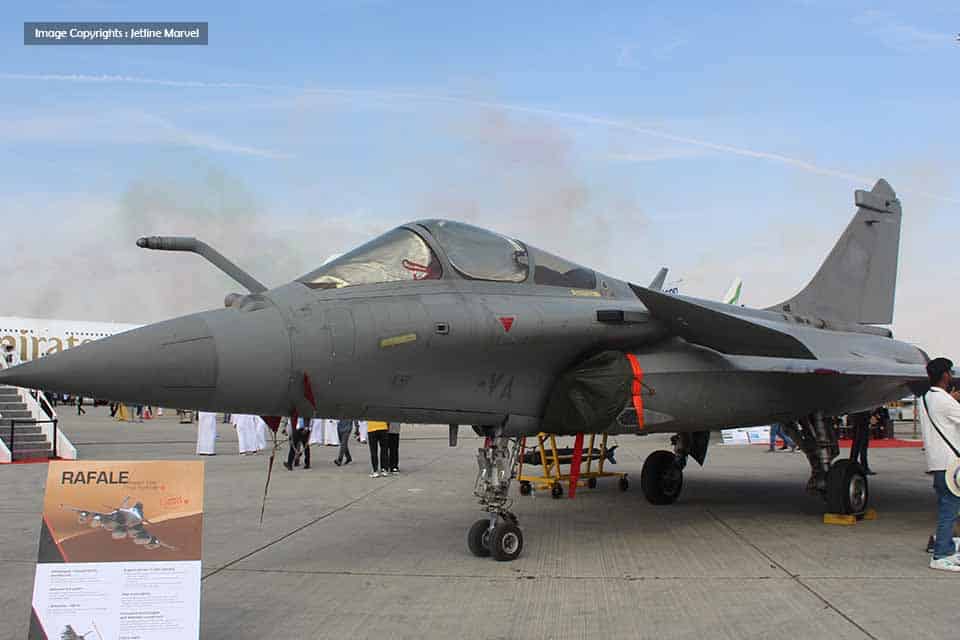
In a bold step to secure its skies, India is preparing for what may become the largest fighter jet acquisition in its history. The Indian Air Force (IAF) is pushing for a government-to-government (G2G) deal with France to procure 90 Rafale F4 fighter jets, bypassing the lengthy and contested MRFA (Multi-Role Fighter Aircraft) tender process.
This comes at a time when India plans to acquire nearly 450 new combat aircraft in the coming years—a reflection of both urgency and necessity. With squadron strength falling dangerously short, the decision carries immense weight for the nation’s defense and strategic future.
From MMRCA to MRFA: A Long Journey
India’s need for new fighters isn’t new. The story goes back to the MMRCA tender of 2007, when the IAF sought 126 aircraft. Fast forward to today, the MRFA program envisions 114 aircraft.
But the IAF now wants to skip delays by fast-tracking 90 Rafale F4s directly from France. Combined with the existing 36, this would finally fulfill the long-pending 126-jet requirement—seven full squadrons strong.
India’s Aerospace Push: Make in India Meets Rafale
While foreign purchases dominate headlines, India’s aerospace manufacturing dream is quietly taking off. The Tata Group, at the heart of the ‘Make in India’ drive, has signed four Production Transfer Agreements with Dassault Aviation.
This allows Rafale fuselage sections—from front to rear—to be manufactured in India. A new facility in Hyderabad will soon roll out critical fighter components, embedding India deeper into the global aerospace supply chain. For the first time, Rafale’s “made-in-France” legacy will partly shift to made-in-India.
Why Rafale, Why Now?
The urgency is clear. During the Operation Sindoor (May 2025) showcased the Rafale’s unmatched strike precision in Pakistan. Yet it also exposed the IAF’s alarming crunch—just 31 squadrons today versus the sanctioned 42.5. According to the sources.
With the MiG-21 fleet retiring in September 2025, that figure will plunge to 29. Meanwhile, Pakistan is inducting 40 J-35A stealth fighters and already flies J-10Cs armed with PL-15 long-range missiles. Against this backdrop, the Rafale F4—with its advanced radar, electronic warfare suite, and Meteor missile capability—is not just a choice, but a necessity.
The Rafale F4 is the most advanced variant multirole fighter, featuring upgraded radar, electronic warfare systems, and advanced data links for enhanced network-centric warfare. It integrates the Meteor beyond-visual-range missile, SCALP standoff weapons, and next-gen smart munitions for superior strike power. With AI-driven diagnostics, improved cockpit displays, and multi-domain connectivity, the F4 is built to dominate future air combat against both stealth and conventional threats.
The G2G Advantage
Skipping the MRFA tender offers clear benefits:
- Speed – Faster induction without bureaucratic hurdles.
- Synergy – Commonality with 26 Rafale-M naval fighters ordered earlier.
- Infrastructure Ready – Ambala and Hasimara bases already support Rafale squadrons.
France and Dassault are reportedly ready to scale production with Indian private partners, ensuring quicker deliveries.
The Cost Question
At ₹80,000–100,000 crore ($27 billion), this will be among India’s costliest defense contracts ever. Critics warn of risks—scaling Tata and DRAL facilities, integrating Indian weapons, and balancing imports with indigenous projects like the Tejas Mk2 and AMCA stealth fighter.
Yet, proponents argue the long-term payoffs—technology transfer, industrial growth, and reliable air dominance—far outweigh the sticker shock.
The Bigger Picture
The Rafale F4 deal is more than just a purchase—it’s a bridge between India’s urgent shortfalls and its aerospace ambitions. With nearly 450 fighters on the horizon, the IAF seeks not just numbers but modern capability to hold its own in the Indo-Pacific against China and Pakistan.
The real question is: Should India wait for indigenous projects, or secure foreign jets now to plug the gaps? share your thoughts in the comments section.
For more aerospace news, check out JetlineIntel.
Want to buy aviation merchandise? Visit Jetshop.in.
To read Jetlinemarvel’s updates on Google News, head over to Google News.



