
Defence
India Approves 97 More Tejas Mk1A Jets to Replace Ageing MiG-21 Fleet
With a fresh order of 97 Tejas Mk1A jets, the IAF’s total fleet rises to 180, replacing ageing MiG-21s and strengthening India’s self-reliant aerospace ambitions.

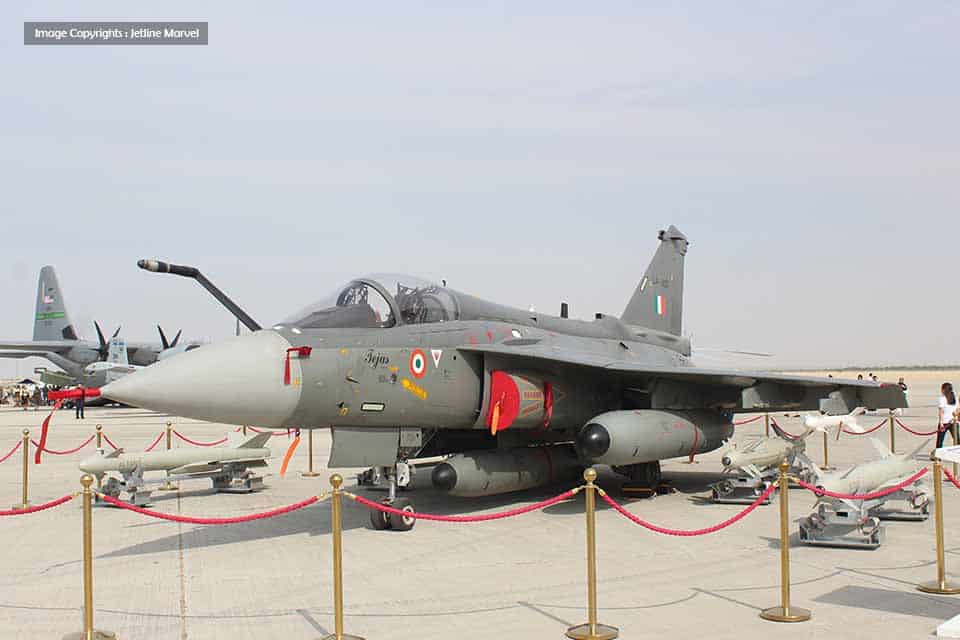
At one point, India was counted among the world’s largest air force operators. Today, however, the Indian Air Force (IAF) faces a squadron shortage that threatens its combat readiness. Against the ideal requirement of 42 squadrons, the IAF currently operates around 31—leaving a serious capability gap.
Challenges Ahead
Bridging this gap is not easy. Procuring hundreds of advanced fighter jets demands multi-billion-dollar investments, even as the government seeks to reduce reliance on imports. At the same time, India is determined to build a self-reliant aerospace ecosystem under the Atmanirbhar Bharat (Self-Reliant India) initiative.
Indigenous projects like the Tejas Light Combat Aircraft (LCA), Tejas Mk2, and the Advanced Medium Combat Aircraft (AMCA) are central to this push. However, these programs face challenges due to delays in acquiring engines, avionics, and advanced aerospace technologies from foreign partners.
The Big Push: 97 More Tejas Mk1A Fighters
In a major step forward, the government has cleared the procurement of 97 additional LCA Tejas Mk1A fighter jets for the IAF at an estimated cost of ₹62,000 crore. This decision, taken during a high-level meeting, paves the way for state-run Hindustan Aeronautics Limited (HAL) to begin production.
This is the second major order for the Tejas Mk1A. The first, valued at about ₹48,000 crore for 83 aircraft, was placed a few years ago. With this new approval, the IAF’s total order for the Mk1A variant rises to 180 aircraft, making it a cornerstone of India’s fighter fleet in the coming decade.
Phasing Out the MiG-21 Legacy
The Tejas Mk1A is expected to replace the ageing MiG-21 fleet, which is being phased out after decades of service. Defence sources confirm that HAL is set to deliver the first Mk1A to the IAF in the coming months, marking a key milestone in India’s aviation history.
HAL’s Growth and Investor Outlook
The deal has also boosted confidence in HAL’s future. Brokerage firms remain optimistic about the company’s medium-term growth trajectory, pointing to the Tejas Mk1A delivery schedule as a key factor to watch. Recent reports highlight that HAL has already received a second F-404 engine from GE, with ten more expected this fiscal year, ensuring timely deliveries.
Brokerage firm PL Capital noted that the procurement of 97 more Mk1As significantly enhances HAL’s long-term revenue visibility, while further contracts for over 200 Tejas Mk2s and a similar number of AMCA jets are expected.
Strengthening Self-Reliance in Defence
These initiatives fit directly into India’s Atmanirbhar Bharat and Make in India missions, which aim to reduce dependency on foreign defence imports while promoting indigenous manufacturing. The Tejas program, in particular, is seen as a symbol of India’s growing aerospace capabilities.
Looking Ahead
With 180 Mk1As now on order, and future prospects of Mk2 and AMCA on the horizon, India is making steady progress toward self-reliance in combat aviation. Yet, the challenges of technology transfer, production timelines, and financing remain.
Still, the approval for 97 new Tejas Mk1As signals New Delhi’s determination to close the squadron gap and build a future where the IAF is not just strong in numbers—but also self-reliant in technology.
For more aerospace news, check out JetlineIntel.
Want to buy aviation merchandise? Visit Jetshop.in.
To read Jetlinemarvel’s updates on Google News, head over to Google News.



