
Defence
Why India Wants Rafale’s Source Code So Badly
India’s push for Rafale source code access highlights growing tensions over technology transfer, operational independence,

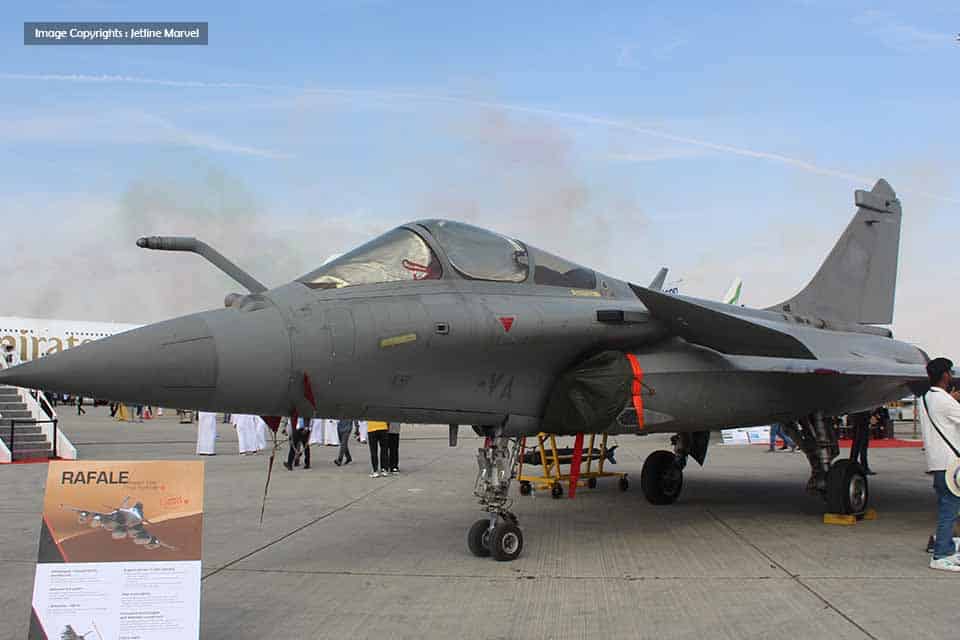
India is pushing for deeper technical access to the Rafale fighter jet’s source code as part of ongoing negotiations under the Multi-Role Fighter Aircraft (MRFA) program, a massive deal involving the planned acquisition of around 114 Rafale jets, valued between $36–40 billion, potentially one of the largest Rafale orders ever.
Currently, the Indian Air Force already operates 36 Rafale fighters, which are fully operational in frontline service. However, new discussions between India and France have brought renewed focus on technological sovereignty and operational independence.
According to recent reports, India’s Defence Ministry is seeking access — or at least equivalent technical control — over critical software systems of the Rafale. These include the Thales RBE2 AESA radar, the SPECTRA electronic warfare suite, and the Modular Data Processing Unit (MDPU), often described as the aircraft’s digital brain.
India’s objective is clear: the ability to independently integrate indigenous weapons and systems without requiring repeated approvals from French manufacturers such as Dassault Aviation or Thales. This includes integration of Indian-developed systems like the Rudram anti-radiation missile, future indigenous sensors, and locally developed upgrades.
France, however, has reportedly taken a firm position against transferring full source code access. French authorities consider these software architectures highly sensitive national security technologies developed over decades and remain unwilling to share them — even within broader technology-transfer or local production arrangements.
As a compromise, discussions are now exploring an alternative solution: providing India with interface control documents or API-level access instead of full source code ownership. Such an arrangement would allow Indian engineers to integrate domestic systems through predefined interfaces while protecting France’s proprietary software.
Indian defence officials have indicated that this middle-ground approach could satisfy operational requirements while reducing long-term dependence on foreign support.
The broader implications are significant. Without full source code access, India may face limitations in rapid customization, independent software updates, and wartime modifications — areas increasingly viewed as essential for modern combat readiness and technological sovereignty.
Adding competitive pressure, Russia has reportedly offered India full source code access for its Su-57 fifth-generation fighter, presenting an alternative model emphasizing deeper technology transfer and customization freedom.
As of early 2026, no final agreement has been announced for the 114-aircraft MRFA deal. The outcome of these negotiations could shape not only India’s future fighter fleet but also global norms around technology transfer in advanced defense exports.
With rising costs, strategic autonomy concerns, and competing offers on the table, the key question remains: will France adjust its position to meet India’s expectations, or will technological access become the deciding factor in one of the world’s largest fighter aircraft deals?
For more aerospace news, check out JetlineIntel.
Want to buy aviation merchandise? VisitJetshop.in.
To read Jetlinemarvel’s updates on Google News, head over to Google News.



