
Defence
India Eyes Russian Missile Power: R-37M, S-400 Under ‘Make in India’ to Counter China-Pak
India’s growing partnership with Russia includes local production of R-37M missiles, potential S-500 acquisition, and Su-30MKI upgrades, marking a confident move to bolster air power against rising Chinese threats.

In a bold move that underscores its strategic independence and long-term vision for air dominance, India is doubling down on its defense partnership with Russia—signaling it is not afraid of U.S. pressure and is ready to compete head-on with China, especially in the domain of advanced air power.
Rajnath Singh’s High-Level Meeting with Russia in China
According to reports, Indian Defence Minister Rajnath Singh met with Russian Defence Minister Andrey Belousov during a multilateral summit in China. The high-level discussions strongly point to India seeking enhanced Russian technical cooperation, particularly in the local production of air-to-air missiles and modernization of Russian-origin platforms like the Su-30MKI.
An official press release following the meeting highlighted focused talks on air defense systems, missile technologies, and aerial combat platforms—marking a strong continuation of the historic Indo-Russian defense relationship.
India Eyes Local Production of Russia’s Lethal R-37M Missile
At Aero India 2025, Russia formally proposed the sale and ‘Make in India’ production of the R-37M long-range air-to-air missile, also known as RVV-BD. The R-37M is designed to neutralize high-value airborne targets at distances exceeding 300 kilometers and is one of the world’s fastest air-to-air missiles.
Sources indicate that this system could soon be integrated into India’s Su-30MKI fighter fleet, further enhancing its long-range strike capabilities. Notably, Russian officials expressed openness to co-produce such systems in India, with an eye on exporting to friendly nations.
Su-30MKI Upgrades: A Powerful and Affordable Response to the West
India’s HAL (Hindustan Aeronautics Limited) has been working on an upgraded Su-30MKI package, incorporating a mix of Indian and Russian technologies. This includes the integration of:
- Astra Beyond-Visual-Range (BVR) air-to-air missiles
- Rudram anti-radiation missiles
- BrahMos air-launched cruise missiles
These upgrades not only elevate the Su-30’s multi-role capability but also offer a cost-effective alternative to Western platforms, making India’s air fleet both powerful and economically viable.
India’s Air Defense Network: From S-400 to S-500?
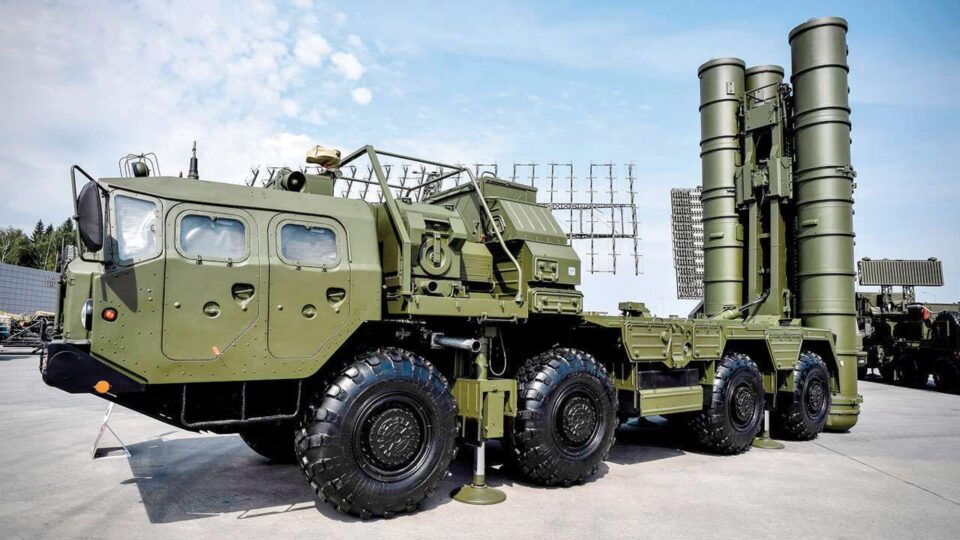
India is reportedly in advanced talks with Russia to procure the next-generation S-500 air defense system. This move comes after India successfully inducted the S-400 Triumf system, which is already deployed in strategic regions like Jammu & Kashmir, Punjab, and Rajasthan, forming a critical shield along the borders with China and Pakistan.
S-400 Missile System – Key Capabilities
- Detection Range: Up to 600 km
- Engagement Range: 40 km to 400 km (four missile types)
- Simultaneous Target Engagement: Tracks 300, engages 36
- Interception Speed: Up to Mach 14
- Radar Systems: 91N6E “Big Bird” & 92N6E “Gravestone”
- Deployment Time: Ready in under 10 minutes
- EW Resistance: Detects stealth targets even under jamming
India has also integrated the S-400 with indigenous Akash and Israeli Barak-8 systems, creating a multi-layered air defense umbrella that can detect, track, and neutralize incoming threats across a wide spectrum.
Strategic Autonomy and Message to China
Defense experts believe India’s posture sends a clear and bold message—not just to adversaries like Pakistan—but more importantly to China. By embracing deeper cooperation with Russia on high-end systems like the R-37M, S-400, and potentially S-500, India is asserting strategic autonomy in defense procurement and strengthening its deterrence posture in the Indo-Pacific region.
For more aerospace news, check out JetlineIntel.
Want to buy aviation merchandise? Visit Jetshop.in.
To read Jetlinemarvel’s updates on Google News, head over to Google News.
