
Airlines
Boeing to Develop New Single-Aisle Jet to Replace 737 MAX
After setbacks and safety concerns, Boeing explores a next-generation single-aisle jet to rebuild trust and compete with Airbus.

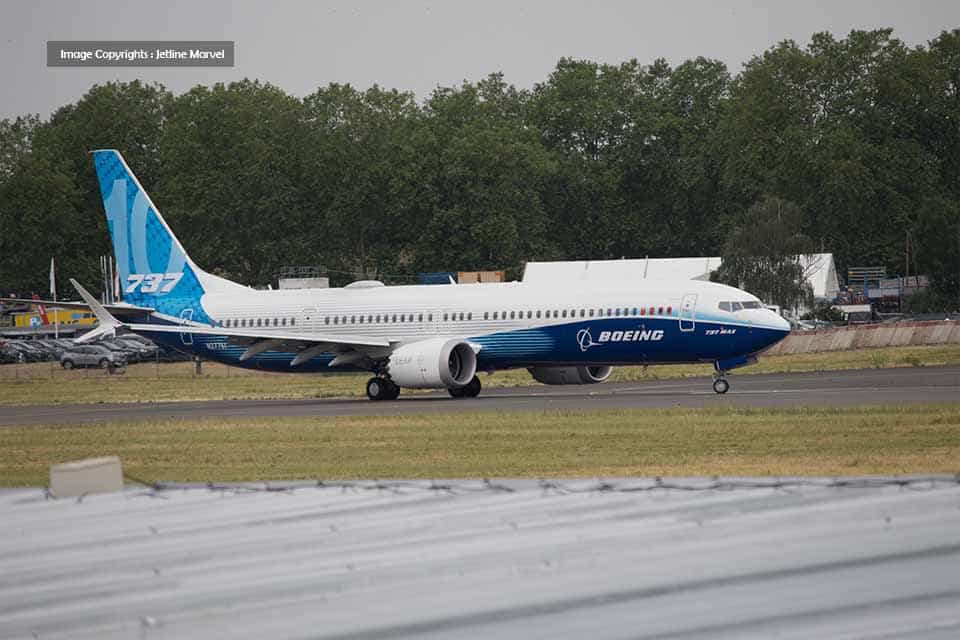
Boeing faces one of the most critical chapters in its history. Once seen as the gold standard in commercial aviation, the aerospace giant has endured years of setbacks—ranging from the tragic 737 MAX crashes in 2018 and 2019 that claimed 346 lives, to ongoing safety, quality-control, and regulatory challenges.
Now, with global aviation demand rising and rival Airbus surging ahead, Boeing is preparing its boldest move yet: the development of a brand-new narrow-body aircraft to eventually replace the 737 MAX.
A Strategic Comeback Plan
According to reports by The Wall Street Journal, Boeing has begun early design work on a new single-aisle jet, which would target the same market segment as the 737 MAX and Airbus’s A320neo family. The aircraft is still in the conceptual phase, but discussions with engine manufacturers are already underway.
Earlier this year, Boeing CEO Kelly Ortberg met Rolls-Royce executives in the UK to explore potential engine options for the program. A senior product leader—known for overseeing previous aircraft development—has been appointed to drive the project forward.
Why a New Aircraft Is Critical
The single-aisle market is the backbone of global aviation, powering most short- and medium-haul flights.
With airlines demanding jets that burn less fuel, cut emissions, and meet new environmental regulations, Boeing sees this as a must-win battle. Industry analysts warn that without a credible new design, Boeing risks ceding even more market share to Airbus, whose A320neo family already dominates sales worldwide.
Market Dynamics and Demand
Narrow-body jets like the 737 MAX and A320neo are expected to account for the majority of commercial aircraft deliveries over the next two decades. Airlines are prioritizing aircraft that offer efficiency, sustainability, and lower operating costs, making innovation non-negotiable.
While the 737 MAX still holds thousands of orders, its reputation was shaken by the crashes and subsequent global grounding. Rebuilding trust—with regulators, airlines, and passengers—remains Boeing’s greatest challenge.
Challenges on the Horizon
Boeing’s new aircraft plans come amid tight regulatory scrutiny. Earlier this year, the FAA capped MAX production at 38 per month after a panel broke off an Alaska Airlines jet mid-flight, spotlighting lingering quality issues. Meanwhile, Boeing remains under investigation by the U.S. Department of Justice for compliance failures tied to a prior prosecution agreement.
Despite these hurdles, industry experts believe pursuing a clean-sheet narrow-body aircraft is both a risk and a necessity. The decision will determine whether Boeing can restore its competitive edge—or risk falling further behind Airbus in its most critical market.
Recently, Boeing has closed the production line of this iconic jet, marking the conclusion of one of the most successful widebody aircraft programs in aviation history.
When the 777-300ER entered service two decades ago, it revolutionized long-haul air travel. With a remarkable range of 7,370 nautical miles, powered by the mighty General Electric GE90 engines, it delivered what airlines had long been waiting for: a reliable, fuel-efficient, twin-engine aircraft that could carry nearly 400 passengers across oceans with ease.
Looking Ahead
The aerospace world is watching closely. Will Boeing embrace cutting-edge propulsion technologies with its new jet, or opt for incremental improvements to reduce risk?
Whatever path it chooses, the timing and ambition of this project will likely shape Boeing’s role in the global aviation industry for the next two decades.
For more aerospace news, check out JetlineIntel.
Want to buy aviation merchandise? Visit Jetshop.in.
To read Jetlinemarvel’s updates on Google News, head over to Google News.



