
Airlines
Air India Crew Slept in Business, Passengers Downgraded to Economy with ₹5K Refund

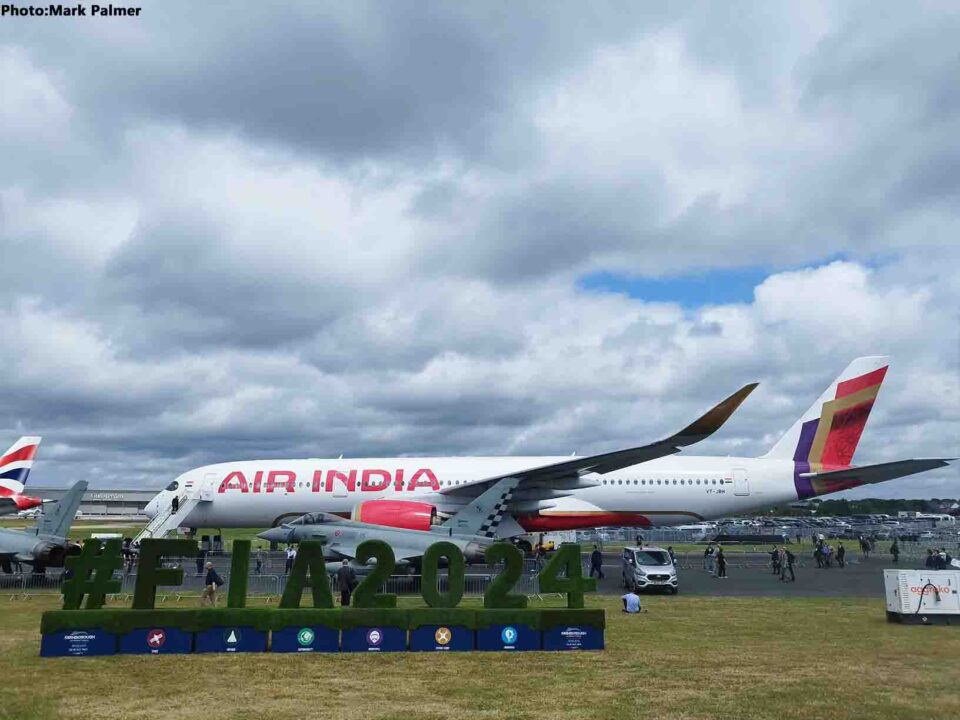
Once hailed as the “Maharaja of the Skies,” Air India has struggled in recent years to live up to its legacy.
Despite ongoing efforts to modernize its fleet and improve onboard service, the airline continues to face criticism—especially from passengers on long-haul international routes. One such route, the 12,080-kilometer stretch from Delhi (DEL) to Chicago O’Hare (ORD), has drawn particular attention due to a series of troubling reports.
Air India, frustrated by growing passenger complaints, has been on the receiving end of scathing criticism over the state of its aircraft, service quality, and now—allegations that crew members are occupying premium seats meant for paying customers.
Air India’s Modernization Efforts:
Recently, air india fleet news the airline has attempted to respond. Air India is actively retrofitting its aircraft following backlash on social media regarding outdated cabins and worn-out interiors. As part of this initiative, it has launched a massive retrofit program for its 13 air india 777s.
The first upgraded aircraft, VT-ALK, has rejoined the fleet, promising a refreshed onboard experience. With 12 more wide-body jets scheduled for upgrades, the airline is attempting to turn the corner on years of neglect.
Passenger Outrage: Business Class Downgrades & Broken Seats
Chatterjee shared his recent ordeal on X (formerly Twitter), detailing how she was downgraded from his ₹2,42,000 business class seat to two economy seats due to what airline staff called a “technical issue.” She was told the seat wouldn’t recline, and while she offered to remain in the broken business seat in exchange for a partial refund, the crew insisted she accept the downgrade.
When she refused the offered compensation of ₹5,000, calling it “peanuts,” she was handed a pre-filled “broken seat” form. Its makeshift nature—and a typo that read “there is a technical issue”—suggested that such incidents were not rare.
What made the situation worse, Chatterjee observed, was that several rows in business class had been deliberately left empty, later to be used by cabin crew for rest. This, she alleged, was a recurring issue—where staff prioritize their comfort over paying customers.
She described the overall experience as “a 16-hour ordeal with a broken seat, horrible food, and a stinky cabin,” adding that Air India’s refusal to acknowledge the gravity of the situation spoke volumes about its service culture.
Before the pandemic, Air India’s reputation was already in steep decline. As a struggling state-owned carrier, it suffered from poor maintenance, mismanagement, and incidents of favoritism by crew.
Executives were accused of corruption, and its merger with Indian Airlines further complicated operations. Though it eventually joined Star Alliance, the airline’s deteriorating standards had made it a carrier of last resort for many.
Now under the Tata Group, privatization has ushered in new hopes—but also heightened scrutiny. With modernization efforts underway, the airline finds itself walking a tightrope between promise and performance.



