
Defence
Did South Korea Get a Cheaper F414 Engine Deal Than India?
India’s GE F414 engine negotiations have sparked debate after reports suggested prices far higher than South Korea’s deal, raising concerns over the future of the Tejas Mk-2 and AMCA fighter programs.

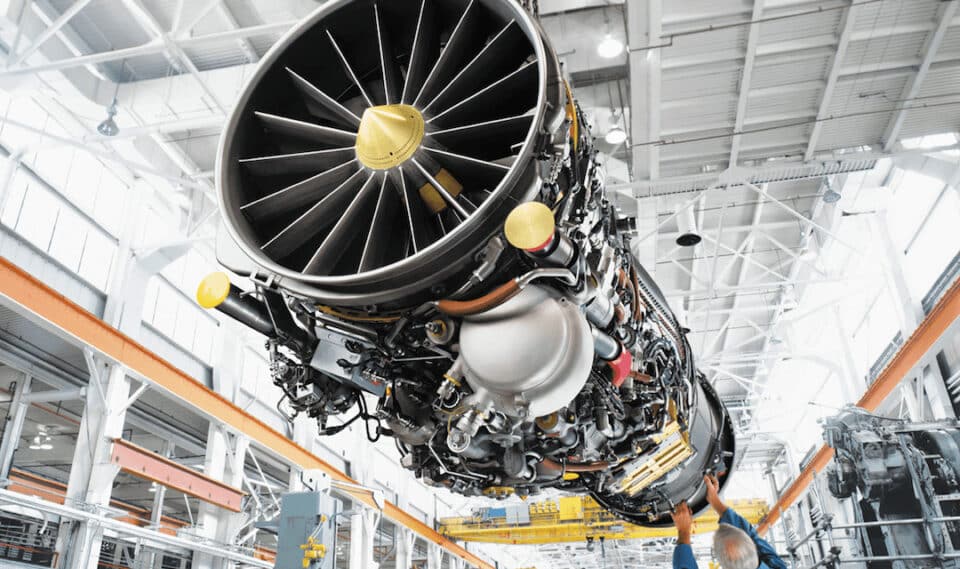
India’s ambitious next-generation fighter aircraft programs are facing a critical challenge—not because of airframe development or avionics, but because of the engine that is meant to power them.
At the center of the issue is the GE F414, the engine selected for the Tejas Mk-2 and the initial prototypes of the Advanced Medium Combat Aircraft (AMCA).
What has raised eyebrows is the stark difference between the deal reportedly secured by South Korea and the one currently being negotiated by India.
South Korea’s Deal Moves Ahead Smoothly
South Korea, through Hanwha Aerospace, signed an agreement for more than 40 GE F414 engines, along with spare engines and support packages, for approximately $401 million. Based on publicly reported figures, the cost works out to around $10 million per engine, making it one of the more competitive F414 procurement deals.
The agreement also supports licensed local production, helping South Korea maintain the production schedule of its indigenous KF-21 Boramae fighter program without major delays.
India’s Negotiations Hit a Roadblock
India’s experience has been very different.
Initial expectations suggested that each F414 engine would cost around ₹70–80 crore (roughly $8–10 million), a figure broadly comparable with other international customers.
However, recent reports indicate that negotiations have become significantly more expensive. GE is reportedly seeking over ₹200 crore (around $24 million) per engine, along with an additional $800 million investment to establish a dedicated manufacturing and production line in India.
If accurate, this represents a substantial increase over the original estimates and has reportedly slowed negotiations for both the Tejas Mk-2 program and the early AMCA prototypes.
Why Is There Such a Big Price Difference?
Although both countries are acquiring engines from the same family, the contracts are not necessarily identical.
Several factors could explain the difference:
- Technology transfer requirements: India is seeking deeper manufacturing capabilities and greater technology transfer than a standard procurement contract.
- Local production infrastructure: Setting up a dedicated production line in India requires significant upfront investment.
- Contract structure: Spare engines, maintenance, logistics, licensing rights, and long-term support packages can significantly affect the total cost.
- Order size and negotiation timing: Pricing can vary depending on production schedules, inflation, and when agreements are finalized.
Until the final contract is signed, many reported figures remain unofficial and should be viewed with caution.
What Does This Mean for India’s Fighter Programs?
The uncertainty surrounding the engine deal could impact the timelines of two of India’s most important combat aircraft projects.
The Tejas Mk-2 is expected to become the backbone of the Indian Air Force’s future medium-weight fighter fleet, while the AMCA represents India’s long-term goal of fielding an indigenous fifth-generation stealth fighter.
Delays in engine procurement could slow prototype development, flight testing, and eventual induction into service.
Could India Look Elsewhere?
Reports suggest that India is also exploring discussions with Safran and Rolls-Royce regarding future engine options, particularly for later AMCA variants.
However, switching engines at this stage would require extensive redesign, additional testing, and certification, potentially delaying the programs even further.
The Road Ahead
The GE F414 remains one of the world’s most mature and proven fighter engines, but its reported cost has become a major talking point in India’s defence modernization efforts.
The outcome of these negotiations will not only influence the future of the Tejas Mk-2 and AMCA but could also shape India’s long-term strategy for indigenous military aviation and engine manufacturing.
Whether India accepts the higher costs, renegotiates better terms, or ultimately pursues an alternative solution remains one of the most important defence decisions in the coming years.



