
Aviation
India Pauses Boeing P-8I Deal Amid U.S. Tariff Tensions and Soaring Costs
Rising tariffs and cost overruns stall India’s P-8I purchase, as New Delhi balances naval needs with economic and self-reliance priorities.

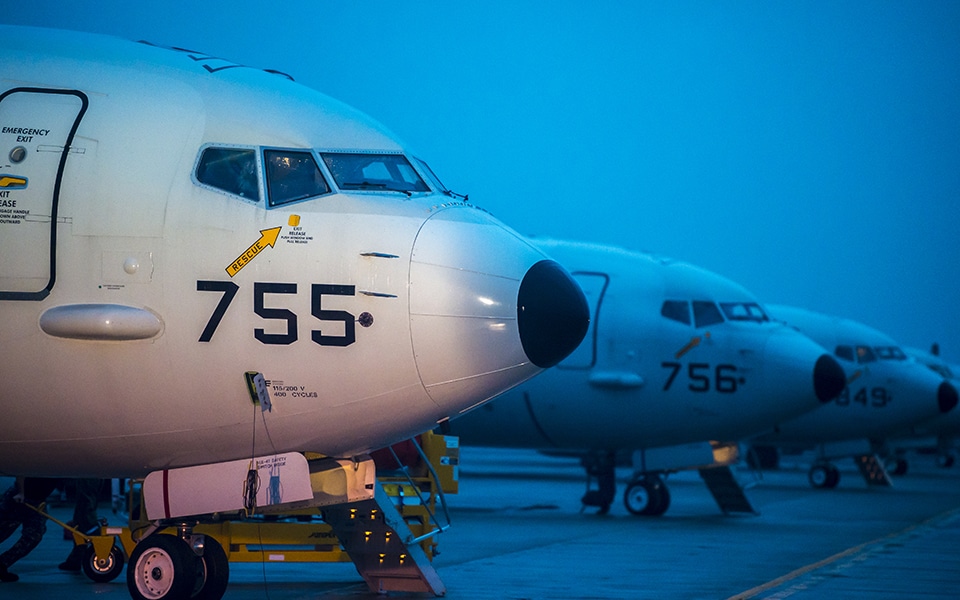
A major defense deal between India and the United States has hit a roadblock as New Delhi puts the purchase of six Boeing P-8I maritime patrol aircraft on hold.
This sharp response comes in the wake of the United States imposing an additional 25% tariff on Indian exports—raising the total tariff burden to 50%—in what many see as pressure tactics to reduce India’s defense and trade ties with Russia.
India currently operates a fleet of 12 P-8Is, which play a crucial role in maritime surveillance, anti-submarine warfare, and intelligence gathering across the vast Indian Ocean Region (IOR).
With China increasing its naval footprint in the region, including submarines and warships, the Indian Navy had pushed hard for six more aircraft to reach its operational goal of 18 units. The Navy’s P-8I fleet has already accumulated over 40,000 flight hours and is tasked with monitoring approximately 15 Indian naval vessels and over 20,000 merchant ships traversing the IOR.
The deal for the additional six aircraft was initially approved by the U.S. State Department in May 2021 for approximately $2.42 billion. However, the price surged by nearly 50%—reaching $3.6 billion by July 2025—due to inflation and global supply chain disruptions. The Indian Ministry of Defence (MoD) was nearing final sign-off when the U.S. tariff hike triggered a reevaluation of the entire agreement.
New Delhi views the tariff escalation as part of former U.S. President Donald Trump’s “America First” policy—a move seen as an attempt to pressure India into purchasing more American defense equipment, such as the F-35 fighter jet and advanced drone platforms. However, India has firmly maintained that its defense acquisitions are based on national security interests, not geopolitical coercion.
In response, India is reassessing its procurement strategy. The MoD is reportedly prioritizing indigenous alternatives, such as unmanned maritime platforms developed by the Defence Research and Development Organisation (DRDO), and a proposed manned patrol aircraft by Hindustan Aeronautics Limited (HAL). These platforms may delay capability fulfilment in the short term but align with India’s long-term goal of defense self-reliance under the “Atmanirbhar Bharat” initiative.
Meanwhile, the Navy has partially mitigated surveillance gaps by deploying platforms like the MQ-9B SeaGuardian drones and MH-60R Seahawk helicopters. However, these systems are seen as complementary rather than equivalent to the long-range, multi-role capabilities of the P-8I.
Though the deal is currently paused, it is not entirely off the table. Officials suggest that ongoing talks under the U.S. Foreign Military Sales (FMS) program may yield a more competitive price or lead to concessions if bilateral tensions ease.
There’s also increasing interest in co-production models—similar to India’s previous partnerships on Steyr-Kerr vehicles and J-414 engines—which could make the P-8I acquisition more economically viable and politically acceptable.
This development underscores India’s broader balancing act: navigating between urgent operational needs, fiscal discipline, and strategic autonomy. While Boeing continues to have a significant industrial presence in India, which may soften the impact, unless Washington revisits its trade war approach, this landmark deal may remain in limbo.
For now, India’s decision reflects a recalibration of its defense priorities in the face of rising costs and political pressure. Whether this pause will lead to renegotiation or a complete strategic pivot remains to be seen.
