
Aviation
FAA Scrambles for ATC Hires as Musk Begs Retirees to Return
FAA launches a fast-track recruitment drive to tackle the air traffic controller shortage, but Musk’s plea for retirees faces legal roadblocks.

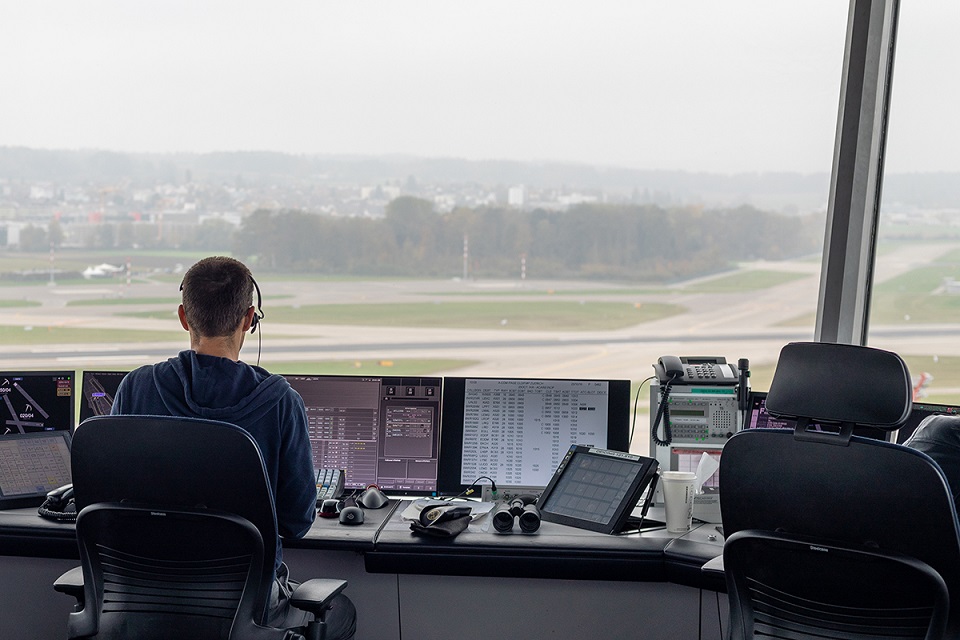
The U.S. air travel system is facing a major challenge—an ongoing shortage of air traffic controllers. This staffing crisis has led to delays, operational strain, and growing concerns over aviation safety.
In response, the Federal Aviation Administration (FAA) has launched an aggressive hiring campaign to address the deficit. Adding a twist to the discussion, tech billionaire Elon Musk has suggested that retired controllers should return to work. But is that even a viable solution?
FAA’s Push for More Controllers
On February 27, 2025, U.S. Transportation Secretary Sean Duffy announced an accelerated recruitment initiative to fast-track new air traffic controllers into the workforce. The goal is to replenish the dwindling workforce by attracting top-tier candidates to the FAA’s training academy at the Mike Monroney Aeronautical Center.
The numbers highlight the urgency of the situation. The National Air Traffic Controllers Association (NATCA) reports that the U.S. has around 10,800 active controllers—falling short by approximately 3,600 positions. The COVID-19 pandemic further compounded the issue, disrupting hiring and training efforts over the past few years.
Elon Musk’s Call for Retirees
Elon Musk recently sparked debate by suggesting that retired air traffic controllers should return to duty. Taking to X (formerly Twitter), he posted:
While his idea gained traction online, it faces significant legal and medical hurdles. U.S. law mandates that air traffic controllers retire by the end of the month they turn 56, with only select exceptions allowing an extension to 61. Additionally, controllers must meet rigorous medical standards, including perfect vision, adequate hearing, and stable blood pressure.
Addressing the Shortage
Solving the air traffic controller crisis requires more than just recruitment; it demands long-term investment. Experts argue that the FAA must fully fund training facilities, enhance working conditions, and make the career more appealing to young professionals.
Current eligibility restrictions already narrow the candidate pool. Applicants must be under 31, pass stringent medical tests, and undergo intensive training before assuming their roles. Without a significant push in recruitment and retention, the shortage is unlikely to be resolved anytime soon.
Air Force One Delays Frustrate Trump
The new Air Force One jets, originally set for 2026-2027, are now delayed until at least 2029, frustrating Donald Trump, who negotiated the contract during his presidency. Boeing cites supply chain issues and evolving requirements, while discussions have emerged about refitting a luxury jet as a temporary solution.
The U.S. Air Force has already spent $3.5 billion of the $4.3 billion budget, with Boeing taking a $2.4 billion loss. Trump, who envisioned a bold red, white, and blue design, is exploring ways to accelerate the project or find an alternative. Elon Musk has reportedly been consulted on cost-cutting options.



