
Airlines
COMAC in Talks to Supply Jets to Pakistan’s New Airline Air Karachi
Air Karachi eyes COMAC’s affordable C919 jets in a bold move to disrupt Pakistan’s aviation sector with low-cost, efficient air travel.

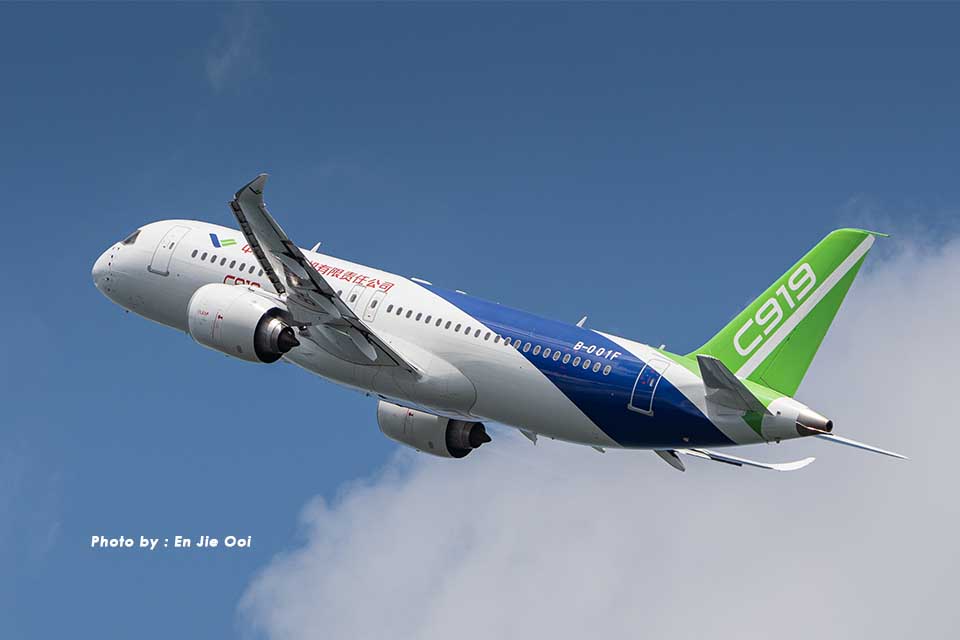
In a significant move that could reshape Pakistan’s aviation landscape, Chinese aircraft manufacturer COMAC is reportedly in advanced talks with Air Karachi, a new low-cost airline preparing to enter the domestic market.
The potential deal marks not just a commercial agreement, but a strategic partnership that could bring affordable, modern aviation to a country in dire need of reliable alternatives to its struggling national carrier. As Air Karachi gears up for launch, this collaboration with COMAC could open the skies to a new era of efficiency, innovation, and private sector-driven growth.
Air Karachi’s Takeoff Strategy
Air Karachi has emerged as one of Pakistan’s most anticipated aviation start-ups, aiming to fill the void left by the long-declining Pakistan International Airlines (PIA). The airline recently received its Regular Public Transport (RPT) license from the Pakistan Civil Aviation Authority (CAA) in June, officially clearing it for operations.
Speaking in an interview, airline representative Gohar confirmed that discussions are ongoing with China’s COMAC for the procurement of its C919 narrow-body jets.
Simultaneously, the airline is in open talks with Boeing and Airbus to acquire at least three aircraft to kick-start operations. “We are in talks with COMAC on the 919, as well as with Boeing and Airbus,” said Gohar. “The objective is to have the planes to start domestic operations.”
Fleet and Expansion Plans
Air Karachi’s launch fleet will consist of three aircraft, focused on domestic routes. Within the first year, the airline aims to expand its fleet to seven aircraft and venture into international operations. This phased expansion will allow the airline to gradually build operational capability while remaining financially stable.
Gohar emphasized the airline’s commitment to efficiency, private ownership, and financial independence — contrasting sharply with the bureaucratic and financially burdened history of PIA.
Inspired by Air Sial’s Private Success
Air Karachi’s business model draws inspiration from Air Sial, a privately-owned airline based in Sialkot that has proven successful by leveraging private capital and a professional management approach. Similarly, Air Karachi is backed by private investors and aims to bring accountability, transparency, and customer-focused service to Pakistan’s underserved aviation sector.
Why COMAC? A Cost-Effective Alternative
COMAC’s C919 jet — designed to rival the Boeing 737 and Airbus A320 — is gaining traction as an affordable option for emerging market carriers. According to Hanif Gohar, “Chinese aircraft cost almost half of what Boeing and Airbus offer.”
This dramatic reduction in acquisition and leasing costs could allow Air Karachi to slash ticket prices by up to 40%, making air travel more accessible for Pakistan’s growing middle class.
With operational costs at the forefront, the airline believes COMAC jets offer the right blend of performance and price — potentially setting a new benchmark for cost-effective aviation in South Asia.
Infrastructure Plans: Training, Maintenance & Safety
Air Karachi is also planning long-term investments in aviation infrastructure. The airline aims to establish:
- Local simulator-based pilot training centers
- In-country maintenance and support facilities
- Spare parts inventories to ensure fleet readiness
Initially, Chinese pilots will operate the COMAC jets while Pakistani pilots undergo type-rating training, ensuring safety and compliance during the early phases.
The CAA has raised no objections to the inclusion of Chinese aircraft, and necessary certifications are expected once final safety evaluations are complete.
Setting a Regional Precedent
Analysts believe this partnership could set a regional precedent. A senior CAA official noted that a successful collaboration between Air Karachi and COMAC could encourage other airlines in South Asia and the Middle East to consider non-Western aircraft options, helping reduce procurement and operating costs across the region.
This could reshape future trends in aircraft acquisition and aviation partnerships, as regional airlines seek more cost-effective and reliable alternatives to traditional Western suppliers.
For more aerospace news, check out JetlineIntel.
Want to buy aviation merchandise? Visit Jetshop.in.
To read Jetlinemarvel’s updates on Google News, head over to Google News.
