
Defence
13 Countries Show Interest in Pakistan’s JF-17 Fighter Jet
Pakistan is in advanced talks with multiple countries to export JF-17 fighter jets, drones, and weapons, positioning itself as an emerging alternative arms supplier

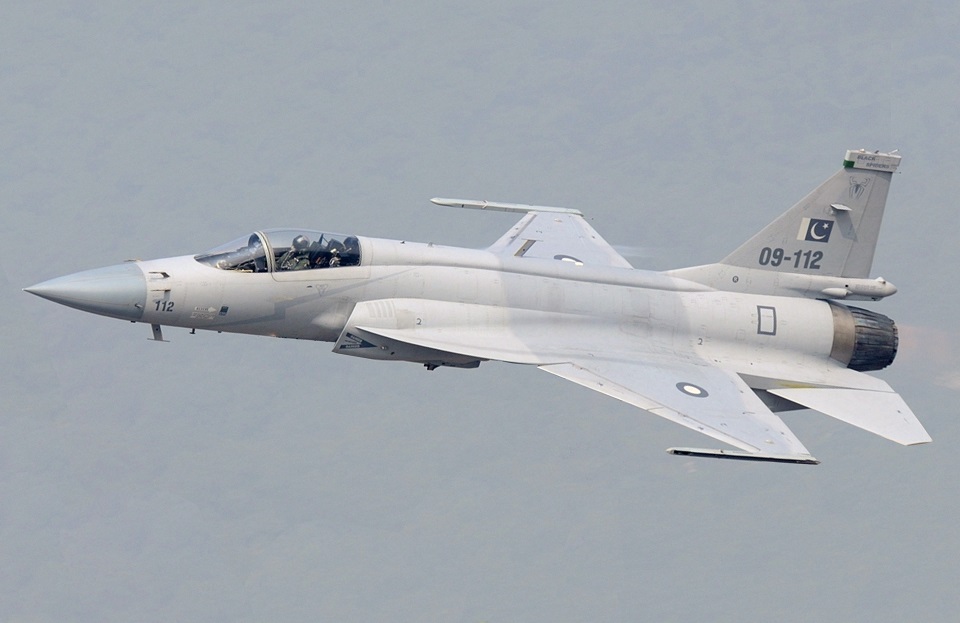
Pakistan’s JF-17 Thunder fighter jet—jointly developed with China—is emerging as a unique player in the global arms market, driven by shifting geopolitics, supply-chain disruptions, and rising demand for affordable combat aircraft.
According to multiple sources cited by international media, including Reuters, Pakistan is currently in discussions with 13 countries for the sale of military equipment.
Of these, seven countries are reportedly in advanced stages of negotiation, covering not only the JF-17 fighter jet but also training aircraft, drones, and other weapon systems. Three Pakistani defense sources with direct knowledge of these talks have confirmed the growing international interest.
While Pakistan’s military and defense ministries have not disclosed specific deal details, the country’s Minister for Defence Production has publicly acknowledged that several nations have expressed strong interest in purchasing Pakistani-made aircraft.
Why Interest in Pakistan’s Weapons Is Rising
Analysts believe this surge in demand is largely driven by global supply-chain disruptions caused by the Ukraine war and ongoing conflicts in the Middle East. Traditional arms suppliers—such as the United States, Europe, and Russia—are struggling with production bottlenecks, political constraints, or sanctions, prompting many countries to seek alternative suppliers.
Pakistan’s defense industry has benefited from this shift. Its aircraft, drones, missiles, and other systems have gained attention after being labeled as “combat-tested” following last year’s conflict with India—although the real operational effectiveness of some platforms, including the JF-17, remains a subject of debate among analysts.
Countries Showing Interest
Sources say Pakistan is holding talks with a diverse group of nations, including:
- Sudan
- Saudi Arabia
- Indonesia
- Morocco
- Ethiopia
- Nigeria
- Eastern Libya, under the administration of Khalifa Haftar
Additionally, Pakistan’s military has publicly acknowledged discussions with Bangladesh and Iraq, though details remain undisclosed. Notably, Bangladesh—despite gaining independence from Pakistan after the 1971 war—is now among the countries reportedly engaged in advanced defense cooperation talks.
Most potential buyers are Muslim-majority countries, particularly in the Middle East and Africa, regions where Pakistan has historically acted as a security partner by providing training, advisors, and joint military exercises.
Production Capacity and China’s Role
The JF-17 has become the cornerstone of Pakistan’s defense manufacturing program, alongside trainer aircraft and unmanned aerial vehicles. Scaling up production remains a challenge, but analysts believe that Chinese backing could help Pakistan overcome many of these constraints.
China’s involvement is also a key advantage in exports. Unlike many Western fighter jets that rely on U.S. or European engines, the JF-17 uses a Chinese engine, reducing exposure to sanctions and export restrictions. This independence has made the aircraft particularly attractive to countries facing political pressure from Western governments.
Strategic and Geopolitical Balancing
Pakistan is also navigating complex geopolitical relationships. While maintaining close ties with China, Islamabad must balance Middle Eastern rivalries—particularly between Saudi Arabia and the UAE.
Pakistan has already signed a mutual defense pact with Saudi Arabia and is reportedly discussing a broader defense framework involving Saudi Arabia and Turkey, though details remain confidential.
Experts from institutions such as the Stockholm International Peace Research Institute (SIPRI) caution that it remains unclear how many of these negotiations will translate into finalized contracts.
Concerns also remain over Pakistan’s ability to manage geopolitical pressure, production scaling, and long-term support commitments—especially in politically unstable regions such as Sudan and Libya.
A Potential Economic Breakthrough
If even a portion of these talks result in confirmed deals, it could mark a major breakthrough for Pakistan’s economy, positioning the country as a credible alternative arms supplier in a rapidly changing global market. Fighter jets remain the most sought-after exports, followed by missiles, rockets, and drones—systems that have seen soaring demand in recent conflicts.
For now, none of the 13 countries have officially confirmed purchase agreements. The world—and particularly the United States—is closely watching how these negotiations unfold and whether Pakistan can successfully convert rising interest into long-term defense exports.
For more aerospace news, check out JetlineIntel.
Want to buy aviation merchandise? VisitJetshop.in.
To read Jetlinemarvel’s updates on Google News, head over to Google News.
