
Aviation
Denmark May Turn to China for J-20 Jets Over Greenland Security
As Greenland becomes a flashpoint, Denmark floats a China defense option, exposing deep cracks in NATO and escalating Arctic power rivalry.

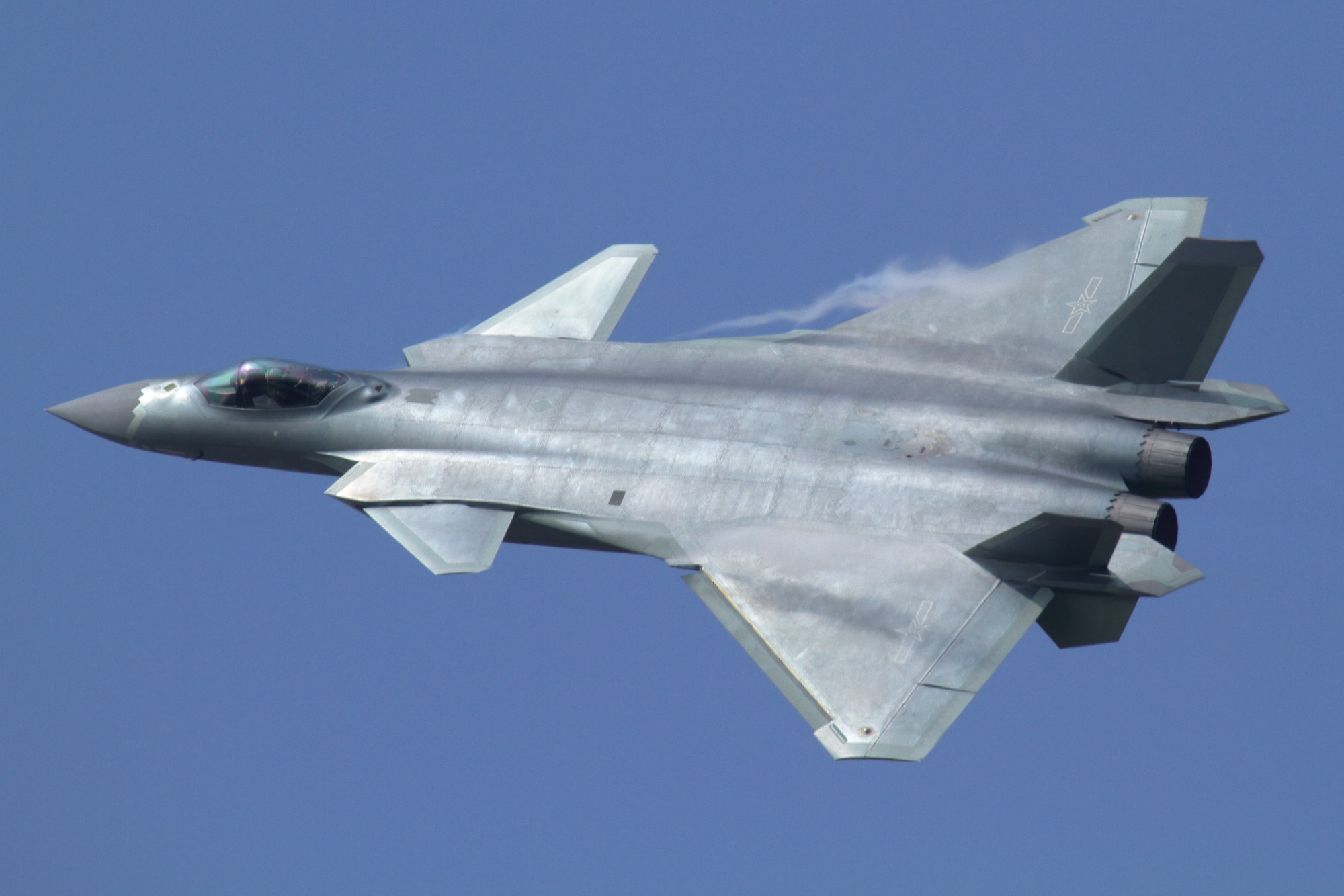
Few developments could rattle the post–Cold War order more than this. As tensions around Greenland intensify and trust inside NATO frays.
Denmark—a founding member of the alliance—has floated an extraordinary contingency: a provisional defense alignment with China, including the potential purchase of J-20 stealth fighters and J-10C multirole jets, should NATO fail to guarantee Greenland’s security.
Whether realized or not, the message from Copenhagen is unmistakable—traditional alliances are no longer taken for granted.
Greenland: From Remote Territory to Global Flashpoint
Greenland’s strategic value has surged as the Arctic opens up to new shipping routes, energy exploration, and military access. What was once a distant outpost is now a frontline arena in great-power competition.
Danish officials fear that ambiguous security guarantees—and growing pressure from Washington—leave Greenland exposed at precisely the moment when deterrence matters most.
NATO Under Strain
At the heart of the controversy is alliance credibility. Denmark cannot independently counter U.S. military power, yet it expects NATO to shield all members equally.
The threat of 25% U.S. tariffs, reportedly tied to pressure over Greenland’s future, has amplified frustration in Copenhagen and fueled debate over whether NATO’s U.S.-centric structure still serves smaller allies in moments of crisis.
The China “Wildcard”
The proposal to turn toward Beijing is unprecedented. No NATO founding member has ever seriously contemplated buying frontline Chinese combat aircraft.
By signaling openness to Chinese defense systems, Denmark is effectively warning Washington that continued coercion could push even long-standing allies to explore unthinkable alternatives.
A scenario involving Chinese stealth aircraft operating in the Arctic—under Danish sovereignty—would dramatically alter the strategic geometry of the North Atlantic.
Arctic Encirclement Fears
Strategists warn that such a shift would contribute to a broader “Arctic encirclement” of the United States. With Russia diplomatically supportive of Denmark, China expanding its Arctic footprint, and Canada deepening economic engagement with Beijing, the U.S. could find its northern approaches influenced by competitors rather than allies.
Trade, Tariffs, and Escalation Risks
Complicating matters further, Washington has announced 100% tariffs on branded and patented medicines, with temporary exemptions for companies expanding U.S. manufacturing.
Novo’s investments in North Carolina may soften the blow—but its reliance on European-sourced proprietary ingredients keeps Denmark firmly in the equation. If Greenland-related tariffs were added on top, the dispute could quickly spiral into a full-scale economic confrontation.
Voices From Greenland
On the ground, reactions are mixed but anxious. Residents in Nuuk describe relief that recent high-level meetings avoided public confrontation, while still fearing long-term U.S. intentions. Others express shock at how rapidly perceptions have shifted—from seeing the U.S. as a protector to viewing it as a potential threat.
A Speculative Scenario With Real Consequences
While the notion of Chinese J-20s over Greenland remains hypothetical, the implications are profound. This episode underscores how Greenland’s security has become a litmus test for alliance trust, and how smaller states may increasingly wield economic, political, and strategic “wildcards” when traditional guarantees appear uncertain.
Even if no jets are ever delivered, Denmark’s message has already landed: In a world of rising pressure and fractured alliances, loyalty can no longer be assumed—it must be earned.
For more aerospace news, check out JetlineIntel.
Want to buy aviation merchandise? VisitJetshop.in.
To read Jetlinemarvel’s updates on Google News, head over to Google News.
