
Aviation
Why Is Dassault Refusing to Share the Rafale Source Code with India?

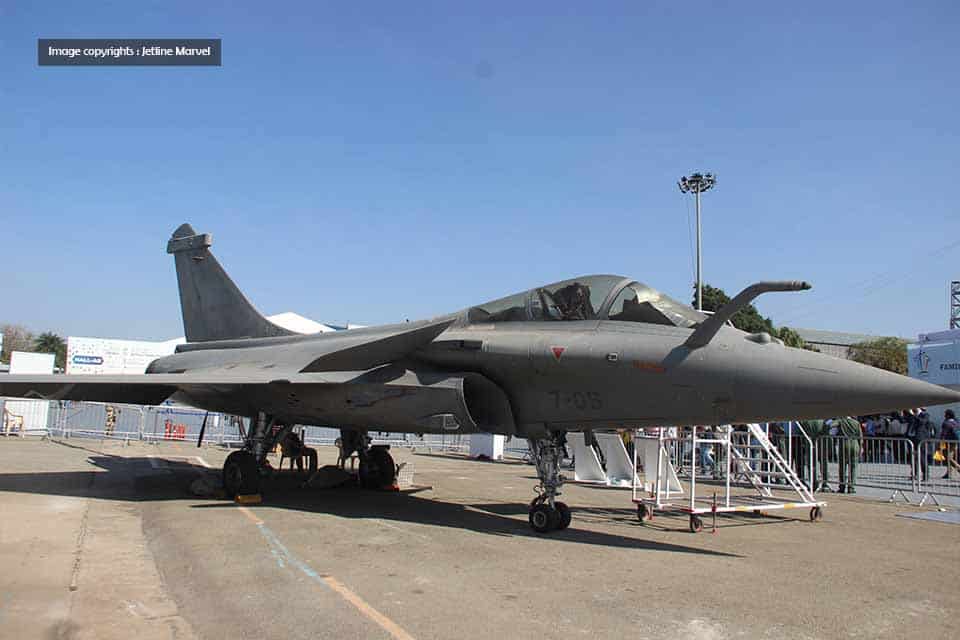
India’s landmark deal with France’s Dassault Aviation for 36 Rafale fighter jets was hailed as a major step under the Make in India and Atmanirbhar Bharat (Self-Reliant India) initiatives.
The acquisition aimed to modernize the Indian Air Force (IAF) with 4.5-generation multirole combat aircraft equipped with state-of-the-art avionics, weapons systems, and operational capabilities. However, a critical issue has surfaced—the denial of access to the aircraft’s source code by Dassault Aviation—which has raised concerns over India’s defense autonomy.
What is the Rafale Source Code and Why Does It Matter?
The source code acts as the aircraft’s digital brain, managing avionics, radar configuration, and weapons integration. It allows operators to configure and control how the aircraft interfaces with various systems—especially indigenous weapons such as the Astra air-to-air missile or the Smart Anti-Airfield Weapon (SAAW). Without this code, the integration of Indian-developed systems is not possible without external assistance.
Source code access is also essential for long-term maintenance, performance upgrades, and operational adaptability. Without it, India must rely on Dassault for every software-level modification or future weapon integration, potentially increasing costs and delaying readiness.
France’s Reluctance: Security, Strategy, and Sovereignty
France’s refusal to share the source code is rooted in concerns over intellectual property protection, commercial interests, and strategic security. The Rafale’s avionics systems—including the Active Electronically Scanned Array (AESA) radar and Modular Mission Computer—are the result of decades of research and significant financial investment. Allowing third-party access to this code could risk exposing sensitive technologies to adversaries like China or Russia, especially if the code were to be leaked, reverse-engineered, or modified.
Moreover, allowing India to freely integrate indigenous weapons like the Astra could reduce global demand for French-built missiles such as the MICA or Meteor, thereby affecting Dassault’s commercial standing in the international defense market.
France is also cautious about setting a precedent—granting one country access could pressure them to offer the same in future export deals, potentially weakening France’s strategic control over its defense technology.
India’s Experience and the Push for Sovereignty
India’s experience with the Mirage-2000 upgrade program offers important context. The IAF was unable to integrate Indian-made weapons due to the lack of source code access, resulting in operational limitations and dependency on the original equipment manufacturer. This precedent has informed India’s firm stance on securing technological sovereignty, particularly with new platforms like the Rafale.
Despite the issue, India and France continue to share strong bilateral defense ties, as shown by the recent ₹60,000 crore deal for 26 Rafale M jets for the Indian Navy. However, the source code dispute remains a sticking point in achieving full strategic autonomy.
Dassault’s Limited Offer: A Middle Ground?
To address India’s concerns without compromising its proprietary technologies, Dassault has proposed limited collaboration options. These include forming joint Indo-French software development teams, providing Secure Software Programming Kits (SSPK), and allowing controlled integration support for Indian weapons—all without giving direct access to the source code. While this may offer a partial solution, it falls short of meeting India’s long-term strategic and technological goals.
The Road Ahead: A Strategic Opportunity
India is the first country in Asia to operate the Rafale, and its success in Indian service boosts the aircraft’s global reputation. This presents Dassault Aviation with a significant opportunity to strengthen its partnership with India by aligning with the country’s defense modernization roadmap.
To maintain this partnership and stay relevant in India’s growing defense ecosystem, Dassault must be willing to support greater integration of Indian systems—even if full source code access remains off the table.
Final Thoughts
The Rafale deal has certainly enhanced India’s airpower, but the source code issue highlights the deeper challenges in achieving true defense independence. It reflects the broader global tension between a buyer’s need for self-reliance and a seller’s need to protect its innovations.
Going forward, constructive dialogue, trust, and tailored solutions will be key. If managed well, this could mark not just a successful defense acquisition—but a blueprint for future international defense collaborations.
