
Defence
India speeds up Tejas Mk1A production with private sector
In a bid to accelerate the Tejas Mk1A fighter jet production, India’s high-level panel is exploring private sector participation

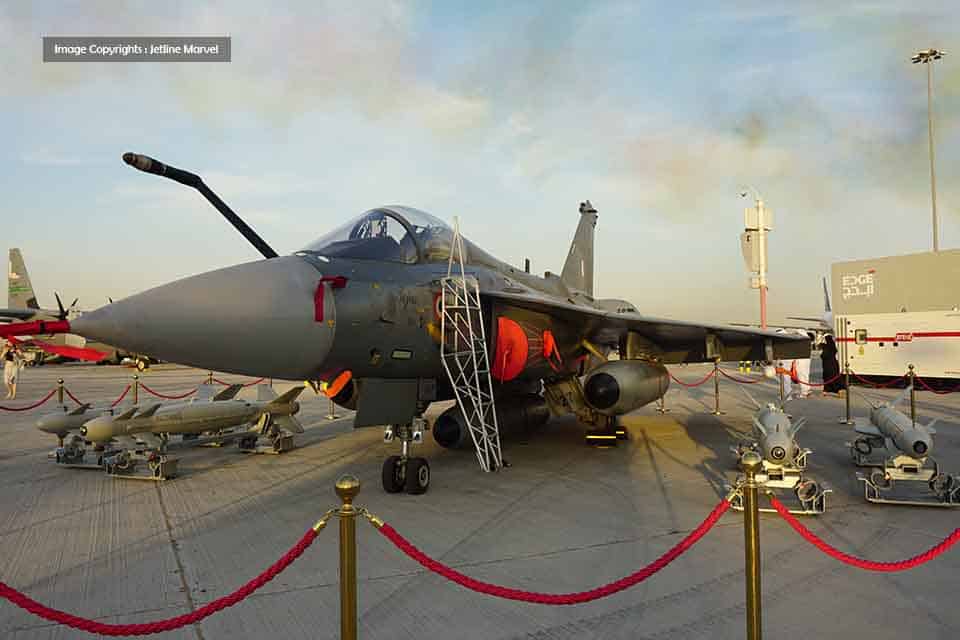
In a game-changing move for India’s defense sector, the government is considering private sector involvement in the production of the Tejas Mk1A, aiming to accelerate the fighter jet’s induction into the Indian Air Force (IAF).
With HAL’s existing production capacity stretched thin and the need for indigenous combat aircraft more urgent than ever, this decision could significantly reshape India’s aerospace manufacturing landscape.
A Push for Faster Production
The Indian government has established a high-level panel to explore ways to speed up the production of the HAL Tejas fighter jet. This initiative, led by the Ministry of Defence (MoD), is crucial in reducing reliance on foreign imports and enhancing the IAF’s combat readiness under the Atmanirbhar Bharat framework.
One of the panel’s major proposals is to transfer part of the upcoming Tejas Mk1A order to private sector firms, alleviating the production burden on Hindustan Aeronautics Limited (HAL).
Private Players Entering the Fray
With HAL securing a ₹48,000 crore contract for 83 Tejas Mk1A units in 2021 and a further order for 97 more jets expected this year—valued at over ₹65,000 crore—concerns have emerged over whether HAL alone can meet these demands.
The panel, chaired by Defence Secretary Rajesh Kumar Singh, is actively exploring private-sector participation, with firms involved in the LCA Tejas Mark 2 fighter jet project seen as strong contenders for assembling the Tejas aircraft.
HAL is currently finalizing an advanced production line at its Nashik plant, scheduled to be fully operational by the first trimester of 2025. Once online, it will boost Tejas fighter jet production by an additional eight units per year, bringing the total annual output across all three HAL production lines to 24 jets.
However, the panel is considering a significant move—allowing a private entity to take over HAL’s Nashik production line on a lease basis. This shift could transform the facility into a dual-purpose hub, catering to both Tejas Mk1A and the future Advanced Medium Combat Aircraft (AMCA).
Challenges Ahead
Despite the ambitious plans, multiple challenges remain. While HAL claims it will achieve a 30-jet annual production rate by 2027, skepticism persists due to uncertainties surrounding engine supplies from General Electric (GE).
The F404 engines, crucial for the Tejas Mk1A, have faced delivery delays, with GE currently committing to just 12 units per year from March 2025. Furthermore, handing over the Nashik facility to private firms will require extensive knowledge transfer and training, given that HAL has decades of experience in fighter jet assembly.


