
Aviation
COMAC C919 Gains Attention from International Markets

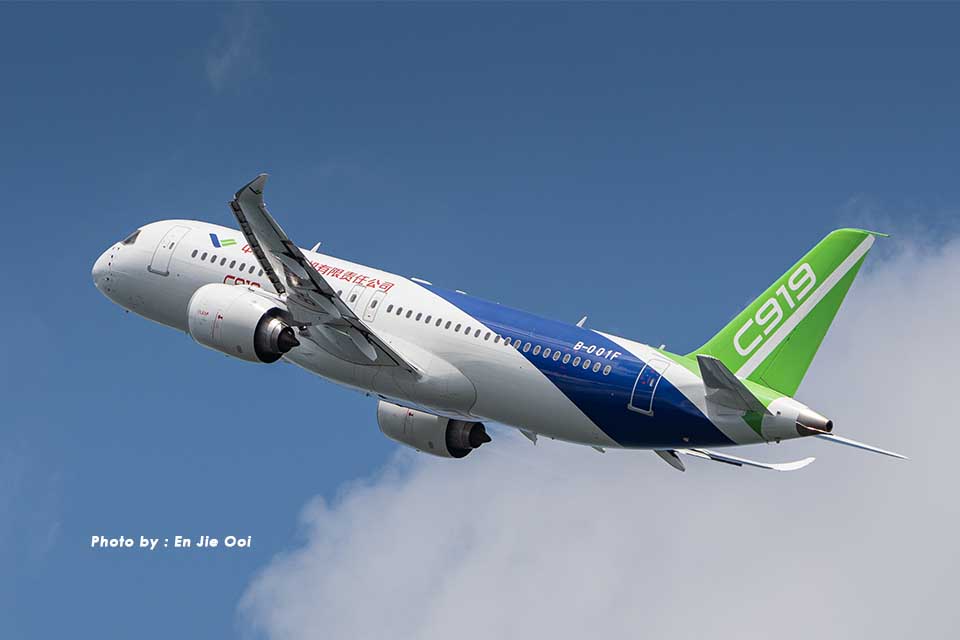
COMAC, the Chinese aerospace manufacturer aiming to challenge the long-standing Airbus-Boeing duopoly, is making significant advancements in the global aviation sector.
With its flagship C919 narrow-body aircraft, COMAC is gaining attention not just in Asia but also from Western airlines looking to diversify their fleets. While no firm orders have yet materialized from carriers like Ryanair, signs of growing interest are clear—hinting at a possible turning point in international aviation dynamics.
Ryanair Eyes COMAC’s C919: A Potential Game-Changer?
Ryanair, Europe’s biggest low-cost carrier, has shown growing interest in COMAC’s C919. Known for operating an all-Boeing fleet, Ryanair’s CEO Michael O’Leary has expressed openness to purchasing Chinese-made jets—provided the price and performance meet expectations. His recent comments reaffirm Ryanair’s pragmatic approach: “I don’t care who makes them—whether it’s Boeing, Airbus, or COMAC. As long as the price is right, we’d buy it.”
O’Leary noted that while the C919 may not significantly impact the market until the 2030s, COMAC’s entry offers welcome competition that could help ease the global aircraft backlog currently burdening Airbus and Boeing. Notably, Ryanair had already shown interest in Chinese-built aircraft back in 2011 when it partnered with COMAC on early design discussions—a sign of long-term strategic consideration.
COMAC’s Global Push and Certification Challenge
The C919 is designed to rival Boeing’s 737 and Airbus’s A320, and while currently certified only within China, COMAC is aggressively working toward European approval. The aircraft’s international appeal depends heavily on certifications from aviation bodies like the EASA. Test flights and audits are reportedly underway, showing COMAC’s commitment to achieving global regulatory standards.
However, the path isn’t without hurdles. COMAC reported a 70% year-on-year increase in procurement costs, raising annual production expenses to $4.7 billion. Still, demand remains strong. Both Chinese and international carriers are showing growing interest, including reports of Cathay Pacific evaluating COMAC jets for future fleet expansion.
VietJet and Southeast Asia Lead Regional Integration
Beyond Europe, COMAC has already made tangible progress in Asia. Vietnam’s low-cost carrier VietJet is set to become the first Vietnamese airline to operate China-made jets on domestic routes. Starting mid-April 2025, the airline will begin flying the COMAC ARJ21-700 (also known as the C909) on popular routes such as Hanoi to Con Dao Island.
This move, however, was preceded by cautious evaluation. Vietnam’s Civil Aviation Authority sent a delegation to inspect COMAC’s production facilities in Shanghai. Following thorough reviews of safety, design, and compliance protocols, preliminary approval was granted—paving the way for a new chapter in China-Vietnam aviation ties. COMAC has also offered VietJet financial support, pilot training, and tech transfer as part of its partnership package.
Domestic Momentum and International Aspirations
At home, COMAC has racked up massive orders, including 100 C919s each from Air China and China Southern Airlines. To meet demand, the company is scaling production capacity to 50 jets annually, with a target of 30 aircraft deliveries in 2025 alone.
Internationally, COMAC has initiated talks with airlines like Garuda Indonesia, Angkor Air (Cambodia), and SCAT Airlines (Kazakhstan). Even Laos has joined the trend—its flag carrier Lao Airlines leased a C909, with its first flight scheduled for April 2025.



