
Airlines
Ryanair Reportedly Exploring ‘Standing Seats’ for Future Flights
Despite widespread speculation, Ryanair confirms it has no plans to implement standing seats, distancing itself from the Skyrider 2.0 concept aimed at slashing airfare.

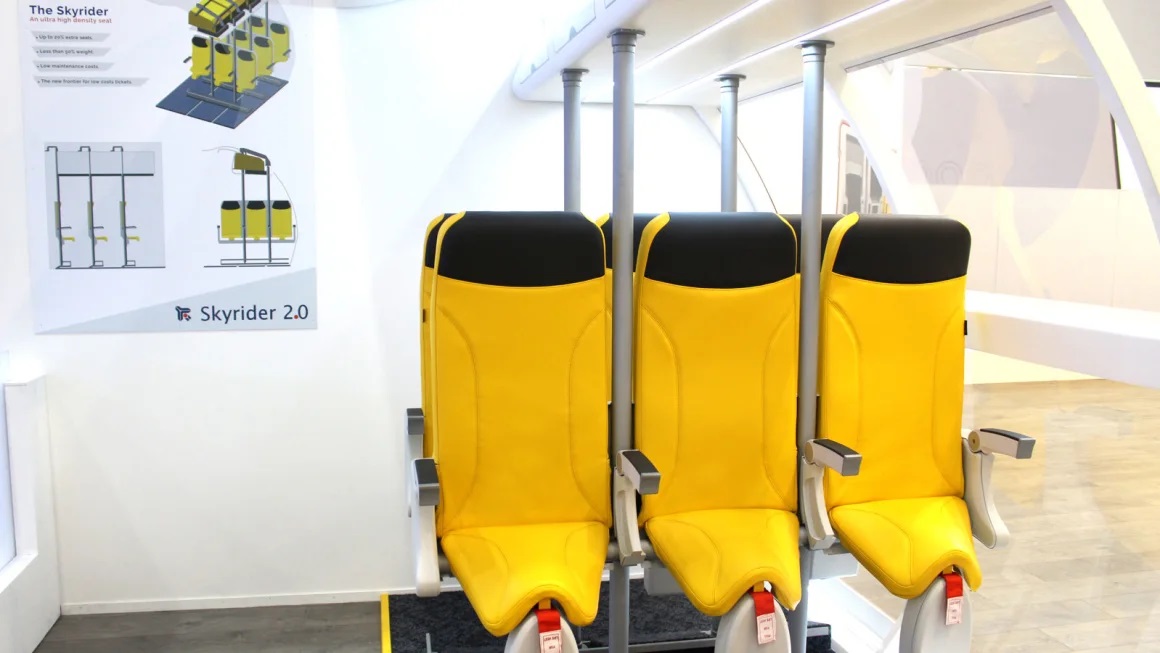
Imagine boarding a flight, expecting to settle into your cozy economy seat, only to come face-to-face with a row of “standing seats.” It might sound like something out of a sci-fi travel story—but this concept is inching closer to reality.
Recent speculation suggested that low-cost airlines are preparing to introduce this unconventional seating arrangement by 2026. The goal? Pack more passengers on each flight while offering even lower fares, especially for short-haul trips. But Ryanair, a major player in the budget airline market, has spoken out against the rumor.
Rumors Take Off: Standing Seats by 2026?
Reports across travel media and social platforms recently claimed that Ryanair would soon implement “standing seats” on its flights, supplied by Italian manufacturer Aviointeriors.
The seats, part of the Skyrider 2.0 concept, are said to allow passengers to travel almost upright in a saddle-like position, reducing the space and cost per seat dramatically. This setup supposedly would make it possible for Ryanair to lower ticket prices even further than their famously low fares—as cheap as €7.99.
Ryanair Responds: “No Such Plans”
Despite the widespread rumors, Ryanair has firmly denied any plans to introduce standing seats. The airline confirmed that it is not working with Aviointeriors on implementing the Skyrider model or any similar concept. The statement put to rest the growing belief that the airline was preparing to experiment with these controversial seating arrangements as early as 2026.
The Skyrider 2.0: A Revolutionary Concept?
While Ryanair may not be on board, the Skyrider 2.0 concept itself is gaining attention. Designed for short-haul flights under two hours, the Skyrider seat is more vertical than horizontal, aiming to maximize cabin density.
Key features include:
- 50% lighter than traditional economy seats
- Reduced maintenance costs due to fewer components
- Space efficiency, allowing more passengers per flight
Aviointeriors claims the design still complies with safety standards and could help airlines dramatically cut operational costs. For ultra-budget carriers, the promise of lower fuel consumption and more passengers per trip is an enticing prospect.
Comfort vs. Cost: A Debate Takes Flight
Although the design is intended for short flights, it has raised serious concerns among aviation experts and travelers alike:
- Is it truly safe and certified?
- Can passengers tolerate such limited comfort—even for short flights?
- Will regulators approve such drastic seating changes?
While the Skyrider could open the door to ultra-affordable airfare, critics argue it may push the boundaries of acceptable in-flight comfort and passenger dignity.
The Future of Flying? Not Just Yet
For now, standing-room air travel remains a concept—not a reality. While companies like Aviointeriors are actively developing the technology and pushing for its adoption, major airlines like Ryanair have distanced themselves from the idea.
Whether these vertical seats ever take off commercially remains to be seen. But the growing interest highlights a broader trend in aviation: a relentless pursuit of cost-cutting innovation, even if it comes at the expense of traditional flying comfort.
For more aerospace news, check out JetlineIntel.
Want to buy aviation merchandise? Visit Jetshop.in.
To read Jetlinemarvel’s updates on Google News, head over to Google News.



