
Aviation
GTRE to Enhances Karveri Engine Performance with Lighter Weight

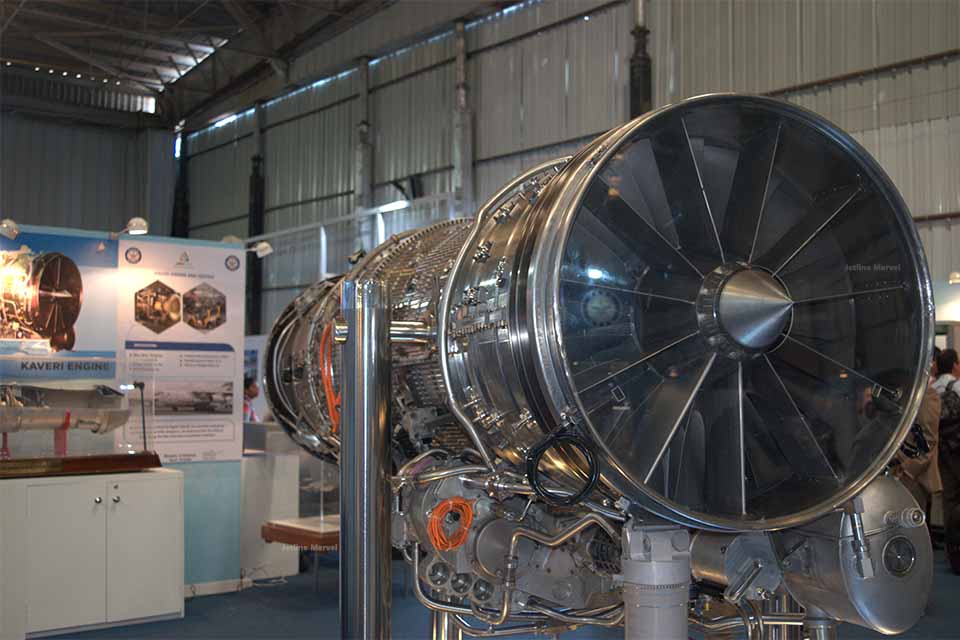
The Kaveri Derivative Engine (KDE), developed by the Gas Turbine Research Establishment (GTRE) under India’s Defence Research and Development Organisation (DRDO), is a crucial part of India’s push towards developing advanced aviation technology.
Advanced Medium Combat Aircraft (AMCA) Engine
The engine, a modified version of the Kaveri Dry engine, is designed to offer improved thrust and performance for the country’s fighter jet programs, including the Tejas and the future Advanced Medium Combat Aircraft (AMCA).
One of the major challenges GTRE faces in this project is reducing the engine’s weight to improve its overall efficiency and performance.
The KDE is designed to generate 46 kN of thrust under standard conditions (International Reference Atmosphere Sea Level Static).
While this is a significant amount of thrust, the engine’s weight, reaching up to 1180 kg, is considered heavy for engines in its class.
Southwest Airlines Kicks Off Passenger After Cat Pooped in the Cabin
This extra weight can affect the performance of fighter jets, especially when it comes to agility, fuel efficiency, and payload capacity. Therefore, GTRE is focusing on reducing the engine’s weight without compromising its performance or reliability.
Kaveri engine
To reduce the engine’s weight, dry kaveri engine afterburner GTRE is exploring the use of advanced materials like composites and lighter alloys.
These materials are capable of withstanding the extreme conditions inside a jet engine while helping reduce its overall weight.
The weight reduction process is being carried out in phases, with each change carefully tested to ensure that the engine remains effective and safe for use in combat aircraft.
Air India Adds A350 to Delhi-Newark Route, Bringing Luxury to New York Flights
While reducing weight is a critical factor for manned fighter jets, the issue is less of a concern for unmanned aircraft like the Remotely Piloted Strike Aircraft (RPSA), which is another platform where the kaveri jet engine is expected to be used.
Since the RPSA doesn’t carry a human pilot, the focus is more on thrust and endurance, allowing for more flexibility in engine weight.
In these unmanned platforms, the KDE is expected to enhance performance, providing the necessary thrust for long-duration, high-performance missions.
Will India’s Kaveri engine replace the GE F404 in the future?
The KDE will undergo 70 hours of flight trials on a Russian Ilyushin Il-76 aircraft to test its performance and see if it can deliver 20-25% more thrust compared to the original Kaveri Dry engine.
This step is critical as it will determine if the dry kaveri engine thrust can be a suitable replacement for the F-404 engines used in the Tejas fleet as it nears its mid-life.
Along with this, GTRE is also working on a new test facility in Bengaluru, which will be capable of testing engines with up to 130kN of thrust.
This state-of-the-art facility will be vital for the development of the kaveri engine inflight testing and the AMCA engine, expected to deliver around 110kN of thrust.
