
Aviation
FAA Flags 2,600 Boeing 737s for Broken Bathroom Latches
Boeing is under renewed pressure as the FAA proposes a costly fix for over 2,600 737 aircraft after a mid-flight incident. At the same time, trade tensions with China are intensifying, with Beijing halting U.S. aircraft parts purchases and canceling Boeing orders—giving rivals like Airbus and COMAC an edge in Asia.
✅ Suggested Titles (Attractive & Click-Worthy):
Boeing’s Rough Ride Continues: FAA Safety Order & China Cuts Ties

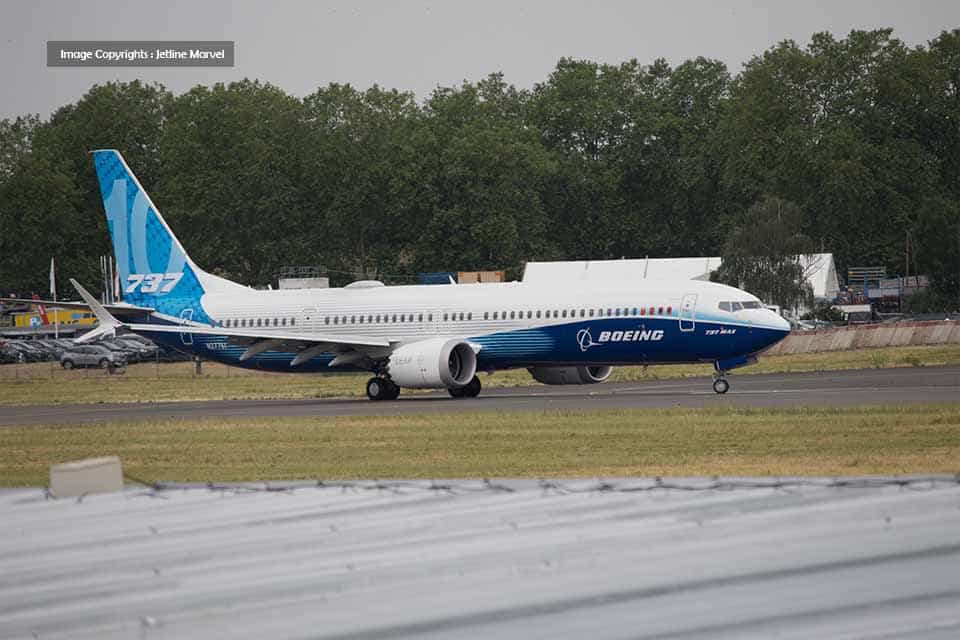
Boeing continues to face turbulence, with a fresh regulatory hurdle now affecting over 2,600 of its 737 aircraft in the U.S. The Federal Aviation Administration (FAA) has proposed a new Airworthiness Directive (AD) following an incident in which a passenger became trapped mid-flight due to a broken bathroom latch.
The FAA’s investigation revealed faulty latches in four separate areas across the aircraft. The proposed directive mandates replacements on affected boeing 737 models, including the 737-700, 737-800, 737-900, 737-900ER, and the 737 MAX 8 and MAX 9. The estimated cost of implementing the fix could reach $3.4 million, according to Business Insider.
FAA Certification Push: WH004 Prototype Joins the Campaign
Despite these challenges, 777x is pushing forward with its certification efforts. The WH004 prototype (tail number N779XZ) is now preparing to join the FAA’s certification campaign. boeing 777x aircraft will be used to evaluate systems such as the Environmental Control System, ETOPS capabilities, noise levels, and overall reliability.
U.S.-China Trade Tensions Hit Boeing Again
Meanwhile, geopolitical tensions are adding further strain. Bloomberg reports that the Chinese government has instructed its domestic airlines to stop purchasing aircraft parts and related equipment from U.S. companies. This directive is expected to drive up maintenance costs in China and disrupt airline operations across the country.
While this is a setback for Boeing, it could open doors for rivals like Airbus and China’s state-backed COMAC to gain a stronger foothold in the region’s rapidly growing aviation market.
The renewed trade tensions between the U.S. and China have escalated, with both countries introducing new tariffs over the past week. In a significant blow, China has also reportedly instructed airlines to cancel pending orders for Boeing aircraft and components—marking a new chapter in the ongoing aerospace standoff.
