
Aviation
Embraer’s Role in India’s RTA-90 Program: A Strategic Fit

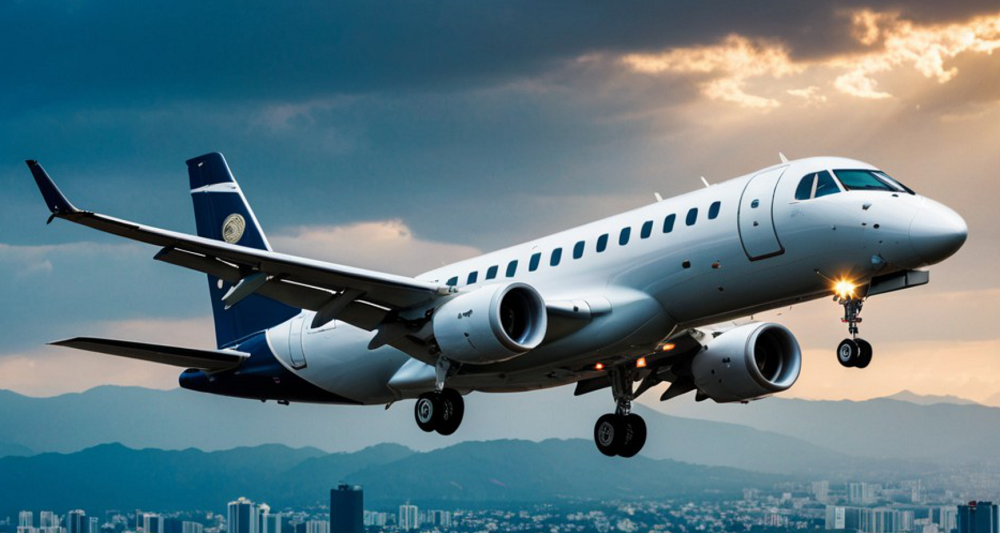
India’s aviation industry is on the brink of a major breakthrough with the ambitious RTA-90 (Regional Transport Aircraft) program. This initiative aims to develop a domestically produced 90-seater regional jet that can meet the growing demand for air travel across the country and beyond.
However, building a modern regional aircraft is a complex challenge that requires expertise in design, manufacturing, and certification—areas where India’s civil aviation sector is still evolving.
Air India Recruitment 2024: Apply for Key Positions Across Multiple Departments
Embraer is already manufacturing a wide range of aircraft, including private jets, passenger planes, and military aircraft, with some of its models being extremely popular. This positions Embraer as a potential game-changer in the Indian aircraft development sector. Meanwhile, India is facing challenges in developing its own aircraft capable of carrying a larger number of passengers.
To ensure the RTA-90’s success, partnering with Embraer, a global leader in regional aviation, could provide the necessary expertise and technology to bring this project to life.
Embraer’s extensive experience in designing and manufacturing regional jets, particularly the successful E-Jet family, makes it an ideal partner for India.
Airbus Plans Cockpit Toilet to Make Single-Pilot Operations a Reality
The Brazilian aerospace giant has a proven track record of delivering aircraft that excel in aerodynamics, fuel efficiency, and passenger comfort. These are critical elements for the RTA-90 to compete in a global market.
India’s aviation industry, led by organizations like Hindustan Aeronautics Limited (HAL), has primarily focused on military and transport aircraft, such as the Dornier Do-228 and the C-295 (produced under license). While this experience is valuable, developing a commercial regional jet requires specialized skills.
Embraer can bridge this gap, offering guidance in areas like advanced materials, propulsion systems, and cabin design.One of the most significant challenges in any indigenous aircraft program is adhering to development timelines. Delays can escalate costs and risk making the final product obsolete. Embraer’s involvement could help mitigate these risks by providing access to tested technologies, efficient design methodologies, and a deep understanding of regulatory requirements. This could significantly reduce development timelines and ensure the RTA-90 is ready for market entry on schedule.
The RTA-90 is a modern, fuel-efficient regional aircraft designed to enhance connectivity. It features a lightweight airframe and advanced aerodynamics for better fuel efficiency, along with next-generation engines for lower emissions.
With seating for up to 90 passengers, it offers spacious interiors and larger overhead bins for added comfort. The aircraft is equipped with advanced avionics for improved navigation and safety, and its short takeoff and landing capability allows it to operate from regional airports with shorter runways, connecting remote areas.
For the RTA-90 to succeed, it must compete with established regional jets like the Embraer E175-E2 and Airbus A220. A partnership with Embraer would provide India with a strategic advantage, enabling the development of a competitive product with lower operating costs, higher reliability, and improved performance.
Additionally, Embraer’s extensive global sales and service network could be leveraged to market the RTA-90 in international markets, particularly in Latin America, Africa, and Southeast Asia, where regional connectivity is in high demand.



