
Aviation
Why the Dhruv Helicopter Was Grounded and Why Addressing the Issue is Critical

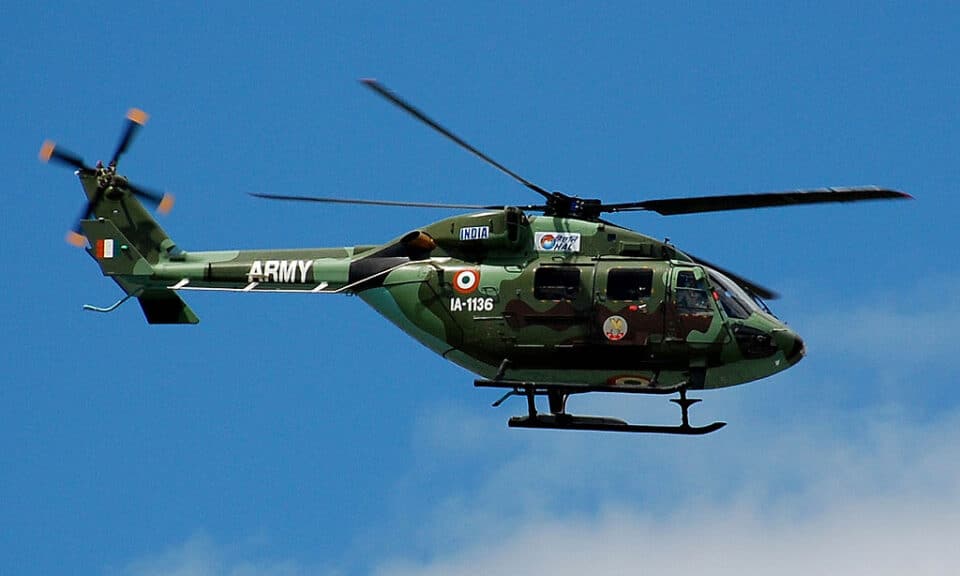
India has made major progress in aerospace, with indigenous aircraft playing a key role. The HAL Tejas fighter jet is a proud achievement and a vital part of the Indian Air Force. These successes are the result of strong collaboration between organizations like Hindustan Aeronautics Limited (HAL) and the National Aerospace Laboratories (NAL).
However, HAL has faced difficulties in the helicopter sector. The Dhruv, a multi-role helicopter developed by HAL and NAL, showed great promise but has recently encountered technical problems, leading to the grounding of several units. HAL is now working to fix these issues by redesigning faulty parts and improving reliability.
Setbacks like this are common in engineering. Even advanced platforms, like the U.S. V-22 Osprey, had early failures before becoming reliable military assets. What matters is how organizations respond, learn, and improve.
At Aero India 2025, the absence of the Dhruv in flight demos was noticeable and raised concerns. HAL later explained the helicopter was under review due to recent safety issues. This step was taken to ensure safety and restore public and operational confidence.
Recent Incidents Involving the Dhruv
The Dhruv, officially called the Advanced Light Helicopter (ALH), is a key part of India’s helicopter fleet. But multiple accidents have questioned its reliability:
- Jan 5, 2025: A Dhruv Mk3 crashed during a training flight in Gujarat, killing all three crew members. Data suggested the helicopter didn’t respond to pilot controls. This led to a nationwide grounding of about 330 ALHs.
- Sep 2, 2024: Another Mk3 crashed into the Arabian Sea during a medical mission, resulting in two deaths and one missing crew member.
These incidents pushed HAL and defense agencies to begin detailed investigations and fixes.
Technical Issues Identified
- Control Rod Failures: Older aluminum rods showed signs of wear and fatigue, leading to mid-air failures. HAL began replacing them with stronger steel versions, though some replacements are still in progress.
- Swashplate Cracks: The fatal Jan 2025 crash revealed cracks in the swashplate, a key control component. Inspections found similar issues in other helicopters, especially those used in coastal regions, possibly due to salt corrosion.
- Material and Design Weaknesses: HAL is reviewing how materials are selected and parts are assembled. The Center for Military Airworthiness and Certification (CEMILAC) found flaws that may have reduced the lifespan of crucial components.
A Broader Perspective
Since its introduction, the Dhruv has had 28 crashes: 13 due to technical faults, 13 from human error, and 2 under investigation. Experts say HAL needs to improve maintenance, record-keeping, and safety testing—especially vibration and fatigue checks.
The grounding of the Dhruv fleet in early 2025 has affected military operations like logistics and rescue missions. In the meantime, the armed forces have relied more on U.S.-made Chinooks and Russian Mi-17 helicopters.
Still, the Dhruv has strengths. It’s known for its agility and has performed advanced aerobatics with the Sarang display team, showing its potential.
The Way Forward
While problems exist, the Dhruv isn’t a failure. With continued effort, better testing, and possible partnerships with international aerospace firms, HAL can fix current issues. Joint ventures could help speed up improvements in design and materials.
HAL has already built successful aircraft like the Tejas. With the right changes, the Dhruv too can become a reliable, world-class platform and continue to serve India with pride.
