
Aviation
Is HAL Planning to Fit the Rafale’s M-88 Engine into Tejas?

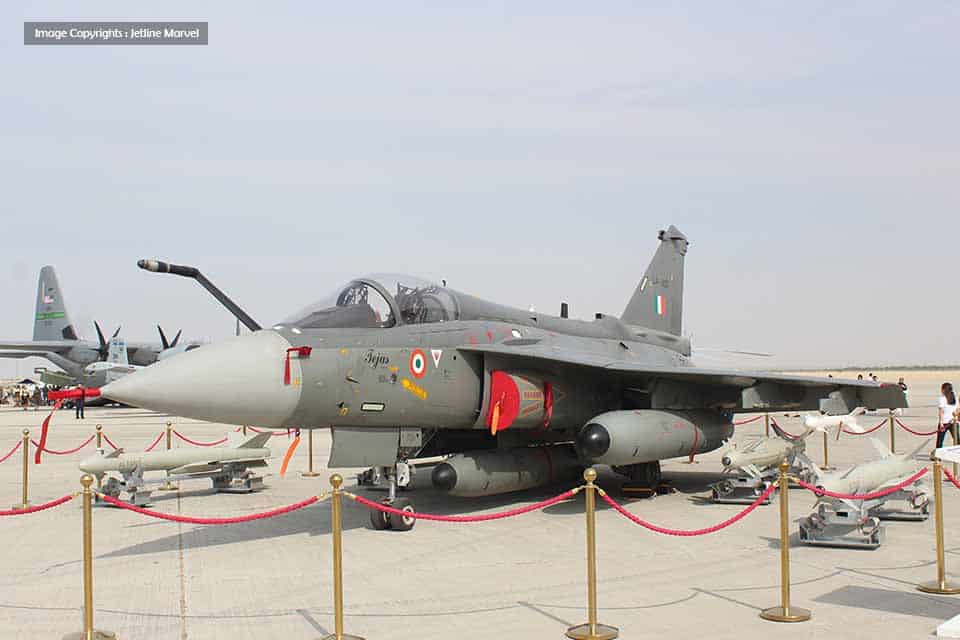
India is at the forefront of developing fighter jets for its defense sector and is prepared to face any challenge. The Tejas Mark 1A, a notable success, has garnered attention for its capability to carry various weapons and integrate advanced avionics.
However, a significant challenge remains with the engine. Currently, India relies on foreign nations to provide engines for its fighter jets. To address this, India has made an agreement with GE Engine makers for supply. However, supply chain issues have led to delays in engine delivery. As a result, HAL is considering an alternative: switching to the European Eurojet, which powers the Rafale fighter jet.
How will be the Tejas Mark 2 compared to the F-16 block 50/52?:Click here
In the early stages of the Tejas MkII’s development around 2010, the Indian Air Force (IAF) preferred the European Eurojet EJ200 engine used in the Eurofighter Typhoon. They wanted to diversify their engine suppliers to reduce dependency on a single foreign entity. However, the Aeronautical Development Agency (ADA) chose the GE F414IN6 engine for the Tejas MkII due to its cost-effectiveness.
The tejas mk2 design will fly with the GE F414IN6, but the IAF’s initial interest in the EJ200 highlights the need to consider multiple options in defense acquisitions.
India’s Hindustan Aeronautics Limited (HAL) Tejas Mk1 and Mk1A light combat aircraft currently use General Electric GE-404 engines. Delivery delays from GE sparked discussions about alternatives, like the Safran M-88-3 engines used in Dassault’s Rafale jets. However, replacing the GE-404 with the M-88-3 faces several challenges.
The GE-404 engine is known for reliability and performance, producing 84 kN of thrust with afterburner compared to the M-88-3’s 75 kN. The dimensions also differ, requiring significant internal changes to the fuselage for an engine swap.
Building the LCA Tejas Mark 2 prototype could take longer than expected:Click here
Safran’s M-88-3 engines are optimized for the Rafale program, and scaling production to meet Indian needs would require significant adjustments and investments. Transitioning engines would also involve establishing new supply chains and logistical frameworks, including sourcing components and training personnel.
Any new engine integration would need rigorous certification and testing, extending timelines and increasing costs. Engine selection also considers geopolitical and economic factors, strategic partnerships, and domestic industrial benefits. lca tejas mk2
While the Safran M-88-3 engine offers competitive performance, transitioning is complicated. The GE-404’s higher thrust, existing integration in the Tejas program, and established supply chain make it the more practical choice currently. Safran’s production capabilities would need significant adaptation to meet India’s needs.
