
Aviation
India Plans to Convert Su-30MKI Fighters into Flying Testbeds for Indigenous Engine Development

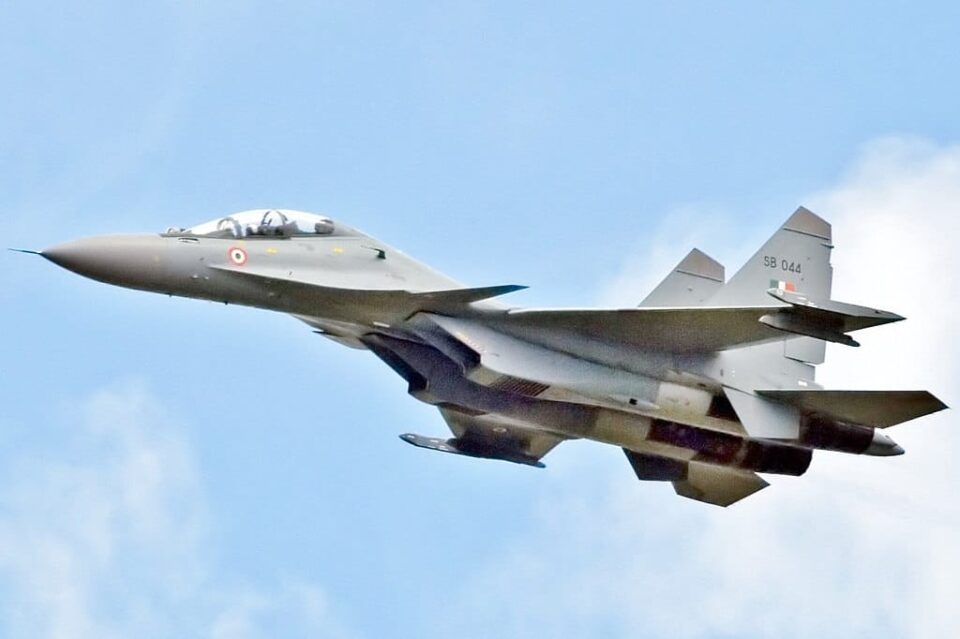
India is preparing a major step toward achieving self-reliance in aero-engine technology by converting two Indian Air Force Su-30MKI fighter jets into dedicated Flying Testbeds (FTBs). The initiative has been proposed by the Gas Turbine Research Establishment (GTRE), a key laboratory of the Defence Research and Development Organisation (DRDO), and aims to significantly accelerate the testing, validation, and certification of indigenous jet engines.
The project addresses one of the biggest historical gaps in India’s aerospace ecosystem — the lack of an indigenous in-flight engine testing platform.
What Is a Flying Testbed (FTB)?
A Flying Testbed is a specially modified aircraft used as an airborne laboratory to test experimental engines under real operational conditions. Unlike ground test rigs, which simulate airflow and stress environments, an FTB exposes engines to:
- Real aerodynamic loads
- High-altitude atmospheric conditions
- Variable temperatures and pressures
- Dynamic flight maneuvers
- Actual vibration and structural stresses
These factors are critical for validating engine safety, reliability, and performance before operational deployment.
Countries such as the United States, France, and Russia routinely use dedicated test aircraft (for example modified Boeing or transport aircraft) to mature new engine technologies. India has so far depended largely on ground facilities or limited foreign testing support, which slowed development timelines.
Why the Su-30MKI Was Chosen
The Su-30MKI is uniquely suited for conversion into a flying laboratory due to several operational and engineering advantages:
1. Twin-Engine Safety Margin
The aircraft’s twin-engine configuration allows one engine to remain standard while the other position houses the experimental engine. If the test engine fails, the aircraft can safely return using the operational engine — a critical safety requirement for early engine trials.
2. High Payload and Structural Strength
Originally designed as a heavy multirole air superiority fighter, the Su-30MKI has:
- Large payload capacity
- Strong airframe structure
- Ample internal space for instrumentation racks
This allows installation of extensive monitoring equipment without compromising flight safety.
3. Powerful Electrical and Cooling Systems
Engine testing requires large amounts of onboard power for sensors, telemetry, and recording systems. The Su-30MKI’s robust electrical generation capability makes it ideal for handling complex test instrumentation.
4. Advanced Avionics Integration
The aircraft already features sophisticated flight control and data systems, simplifying integration of telemetry links and real-time data transmission to ground stations.
Planned Modifications to the Aircraft
Although final technical configurations are yet to be publicly disclosed, defense sources indicate the following upgrades are expected:
- Replacement of one AL-31FP engine with a test engine mounting structure
- Installation of vibration, pressure, temperature, and thrust sensors
- High-speed data acquisition systems
- Real-time telemetry transmission equipment
- Additional cockpit monitoring displays for test engineers
- Structural reinforcement around engine mounts if required
The aircraft essentially becomes a flying laboratory capable of recording thousands of performance parameters every second.
Engines Expected to Be Tested
Kaveri 2.0 Program
The primary beneficiary of the flying testbed will be Kaveri 2.0, an upgraded version of India’s indigenous turbofan engine program. Improvements expected include:
- Higher thrust output
- Better fuel efficiency
- Improved hot-section materials
- Enhanced reliability and lifecycle performance
The new testing capability could finally move the Kaveri program from experimental stages toward operational certification.
Future AMCA Engines
The testbeds will also support engines intended for the Advanced Medium Combat Aircraft (AMCA) — India’s fifth-generation stealth fighter program. Indigenous engine development is considered essential for strategic autonomy, particularly after past technology transfer limitations from foreign partners.
Other Applications
The platform may also test:
- Unmanned combat aircraft engines
- Adaptive-cycle engine technologies
- Advanced materials and cooling concepts
- Afterburner and thrust-vectoring refinements
Strategic Importance for India
1. Ending Dependence on Foreign Testing
Previously, India had limited options for flight testing new engines and sometimes required foreign facilities. Having a domestic flying testbed ensures:
- Faster iteration cycles
- Greater data ownership
- Reduced costs and delays
- Improved confidentiality for sensitive technologies
2. Accelerating Certification Timelines
Engine development is typically the longest and most complex part of fighter aircraft programs. Real flight data can reduce certification timelines by years compared to ground-only testing.
3. Supporting Aerospace Self-Reliance (Atmanirbhar Bharat)
Indigenous engine capability is widely viewed as the final technological barrier for India’s aerospace independence. The FTB program directly supports national goals of domestic defense manufacturing and technology sovereignty.
Current Status (April 2026)
- GTRE has formally submitted the proposal to the Indian Air Force and Ministry of Defence.
- Reports indicate the plan is under active consideration and moving toward implementation.
- Aircraft selection and modification planning appear to be in early stages.
- Official approval and timelines for conversion have not yet been publicly announced.
If approved soon, modification work could begin within the next phase of India’s aero-engine development roadmap.
Why This Step Matters Historically
India’s Kaveri engine program faced decades of delays largely due to limited testing infrastructure and insufficient in-flight validation opportunities. The creation of indigenous flying testbeds represents a structural change rather than just a single project upgrade.
