
Travel
How Contaminated Cabin Air Is Putting Flyers’ Health at Risk
Airplane “bleed air” systems are leaking toxic fumes into cabins, causing brain injuries, illnesses, and sparking concerns over hidden flight risks.

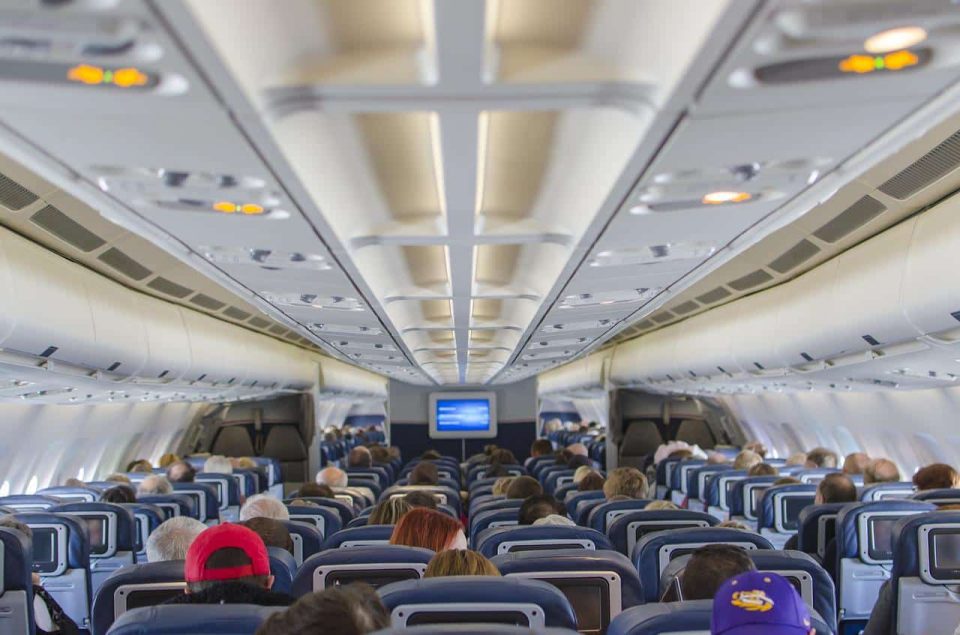
Imagine stepping onto a flight, expecting a routine journey, only to unknowingly inhale toxic fumes that could alter your health forever.
This isn’t the plot of a thriller — it’s a growing concern in commercial aviation. Flight attendants, pilots, and even passengers are reporting serious illnesses tied to a little-known problem inside aircraft cabins.
At the heart of the issue is the “bleed air” system — a decades-old technology used to pressurize modern aircraft. Air is drawn through jet engines and circulated into the cabin. But when engine oil or hydraulic fluid seeps past worn seals, those toxic chemicals can vaporize, silently making their way into the air people breathe mid-flight.
Airlines and aircraft manufacturers insist that cabins remain safe and argue such incidents are rare. As reported by WSJ.
Yet airline records and FAA data tell a different story. Since 2010, thousands of “fume events” have been officially reported. Industry documents suggest the true rate could be close to 800 incidents per million flights — far higher than airlines admit publicly.
The trend has been especially alarming on Airbus A320-family jets. In 2023, U.S. carriers reported fume-event rates more than seven times higher on these aircraft compared to Boeing 737s. For JetBlue and Spirit Airlines, the numbers skyrocketed — a shocking 660 percent increase since 2016.
The human cost of these statistics is devastating. One JetBlue flight attendant recently described how her life changed after a routine trip to Puerto Rico.
Mid-flight, she suddenly felt “drugged,” then watched a colleague collapse and vomit before they both were rushed to the hospital after landing. Her condition was later diagnosed as a traumatic brain injury with permanent nerve damage, all traced back to inhaling contaminated cabin air.
Despite mounting evidence, the industry remains divided. Regulators stress safety and rarity, while growing numbers of aviation professionals warn the risks are being underestimated.
With incident logs climbing and personal stories turning tragic, the pressure is building for airlines and manufacturers to confront a sobering question: How safe is the air we breathe on planes?
For more aerospace news, check out JetlineIntel.
Want to buy aviation merchandise? Visit Jetshop.in.
To read Jetlinemarvel’s updates on Google News, head over to Google News.
