
Aviation
How Aircraft Tyres Are Made: Inside the Engineering
Aircraft tyres are high-tech, retreadable marvels built for safety, endurance, and millions in lifetime costs per aircraft.

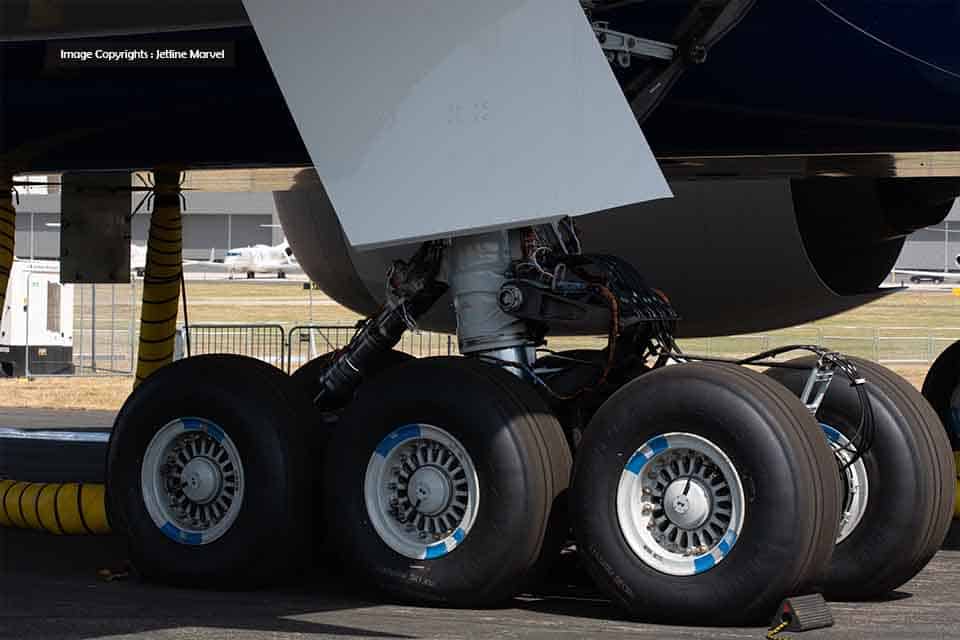
When we think of airplanes, most of us imagine wings, engines, or cockpits—but rarely do we think about the tires.
Yet, airplane tires are some of the most critical and expensive components of aviation. They may look like oversized car tires, but in reality, they are high-tech engineering marvels, designed to endure extreme loads, high speeds, and harsh conditions.
In this Article, we’ll explore what makes airplane tires unique, how they are engineered, and why they cost so much.
Why Airplane Tires Are Special
1. High Load Capacity
Airplane tires carry massive weight. A single tire on a commercial jet can handle 50,000 to 100,000 pounds. For example, the Boeing 747 uses 18 tires, each supporting the aircraft’s enormous load during takeoff, landing, and taxiing.
2. Extreme Durability
These tires are made from special rubber compounds reinforced with nylon, steel, and Kevlar fibers. They resist wear, heat, and impact forces. During landing, temperatures can spike to 200°C (392°F)—far beyond what a car tire could survive.
3. High Inflation Pressure
Car tires typically run at 30–35 PSI, but airplane tires are inflated to 200–250 PSI. Some military aircraft go up to 400 PSI. This high pressure allows them to support heavy loads and absorb brutal landings.
4. Speed and Impact Resistance
Airplane tires are tested for landing speeds up to 250 mph (400 km/h). They must flex, absorb impact, and recover instantly, all without bursting or deforming.
5. Retreading
Instead of being thrown away, airplane tires are retreaded—their worn tread replaced while keeping the core structure intact. This can be done 3 to 8 times, making them cost-effective and environmentally friendly.
6. Specialized Tread Patterns
The tread is designed with grooves to channel water on wet or icy runways, preventing hydroplaning. Unlike car tires, airplane tires don’t need complex tread because planes don’t corner like cars.
7. Static Charge Protection
To prevent sparks during refueling, tires include conductive materials that safely discharge static electricity to the ground.
8. Size and Construction
Some aircraft tires measure up to 56 inches tall and 21 inches wide, with as many as 30 reinforced layers. They are built to balance strength, heat dissipation, and stability.
9. Frequent Inspections
Because safety is paramount, airplane tires are inspected after every flight. They also feature fusible plugs that melt under extreme heat, releasing pressure to prevent explosions.
How Much Do Airplane Tires Cost?
Now, let’s talk numbers—because these tires are not cheap.
- Airbus A320 / Boeing 737 MAX
- 4 main tires, size 30×8.8 R15.
- $1,000–$2,000 each (new).
- $500–$1,000 (retreaded).
- Lasts about 200–400 landings.
- Michelin and Goodyear are common suppliers.
- Airbus A350
- A350-900 uses 10 tires, A350-1000 uses 12.
- $4,000–$6,000 each.
- Retread costs: $2,000–$3,000.
- Each large tire supports 72,000 pounds.
- Boeing 777
- 12 tires.
- $5,000–$6,000 each.
- Retread: $2,500–$3,000.
- Goodyear and Bridgestone supply most 777 fleets.
- Airbus A380 – the giant of the skies
- Uses 20 massive tires.
- $5,000–$5,500 per tire.
- Each tire: 56 inches tall, 21 inches wide, 265 pounds in weight, capable of supporting 25 tons.
- Retread: around $2,500, lasting up to 180 landings.
- A full replacement for all tires can exceed $100,000.
- Over a 20-year lifespan with 50,000+ landings, airlines may spend $1–2 million on tires per aircraft.
Why So Expensive?
The answer lies in their performance requirements:
- Withstand 290 PSI inflation pressure (vs. 35 PSI in cars).
- Handle temperatures from -60°C to 200°C.
- Built with nylon, steel, Kevlar reinforcements, and inflated with nitrogen for stability.
- Inspected constantly to ensure zero tolerance for failure.
Airlines also save costs through bulk contracts and retread programs, often paying per landing instead of per tire. Negotiated deals can reduce prices by 20–50%.
Final Word
Airplane tires may look ordinary, but they’re a blend of cutting-edge engineering, safety, and economics. From carrying hundreds of passengers at 250 mph to surviving thousands of hard landings, these tires quietly ensure aviation remains safe and reliable.
For more aerospace news, check out JetlineIntel.
Want to buy aviation merchandise? Visit Jetshop.in.
To read Jetlinemarvel’s updates on Google News, head over to Google News.
