
Aviation
Boeing Jet Forced to Return as China Closes Skies to U.S. Planes
As Trump’s tariffs escalate, China distances itself from Boeing, forcing a U.S.-bound return of a jet and signaling deeper trade war impacts on aviation.

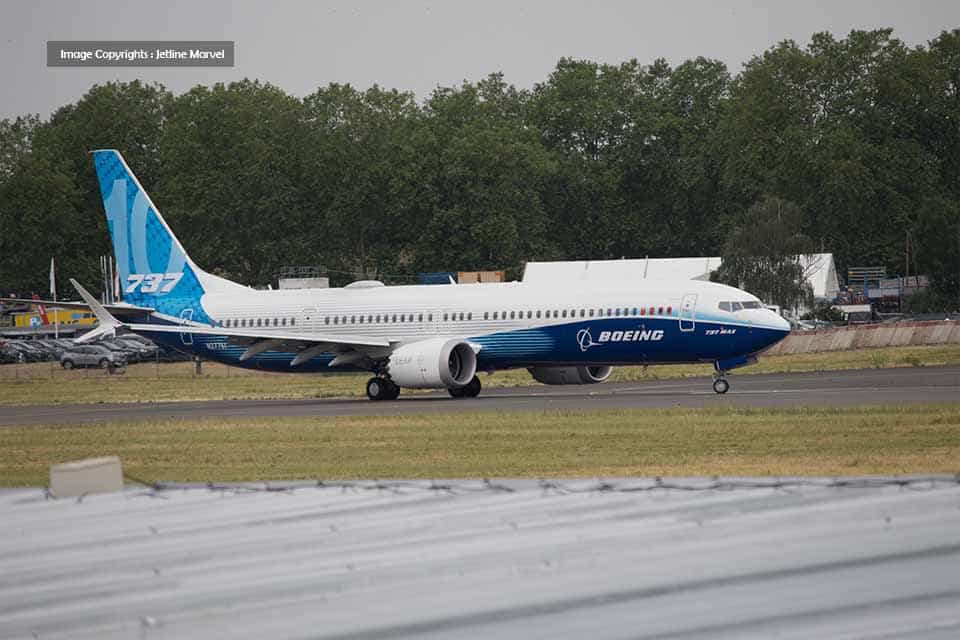
The US-China trade war has taken a sharp turn, with Beijing retaliating against former President Donald Trump’s increased tariffs by halting Boeing jet deliveries and restricting imports of US-made aircraft parts.
In a significant development, a Boeing 737 MAX jet originally meant for a Chinese airline was flown back to the US, highlighting the deepening rift between the two economic superpowers. This move signals major disruptions in the global aerospace industry, with Boeing facing severe setbacks in one of its most crucial markets.
China Orders Airlines to Suspend Boeing Deliveries
Chinese authorities have instructed major carriers, including China Southern, Air China, and China Eastern, to stop accepting new Boeing aircraft in response to US trade policies.
This decision affects 179 planned boeing deliveries scheduled between 2025 and 2027, worth billions of dollars. Additionally, airlines have been told to avoid purchasing US-made aircraft parts, raising concerns about maintenance for existing Boeing fleets in China.
Boeing Jet Returns to the US from China
A boeing 737 MAX jet, initially destined for Xiamen Airlines (a subsidiary of China Southern), was recently flown back from Boeing’s Zhoushan completion center in China to Seattle via Guam.
The Zhoushan facility, once a symbol of US-China cooperation, now faces uncertainty as tariffs make aircraft deliveries economically unfeasible. Industry sources reveal that some undelivered jets may be stored in bonded warehouses to avoid import duties, but at least one has already been recalled to the US.
In a dramatic move that underscores just how deep the tensions run, China Southern Airlines has pulled the plug on the sale of its boeing 787-8 fleet, signaling a major shift in the skies of international aviation.
And now, a Boeing jet that was at the company’s completion plant in Zhoushan, China, has flown back to the United States—raising eyebrows across the industry.
Trade War Fallout: Higher Costs and Supply Chain Risks
The US recently imposed 145% tariffs on select Chinese imports, prompting Beijing to retaliate with 125% duties on American goods, including boeing news aircraft.
These tariffs have made Boeing jets prohibitively expensive for Chinese airlines, forcing them to seek government aid for leased planes. The trade dispute also threatens US aerospace suppliers, as China considers banning American-made aircraft components, further destabilizing the industry.
What’s Next for Boeing and China’s Aviation Market?
In the short term, Boeing may shift deliveries to other regions, but China’s rapidly expanding aviation sector—expected to double its fleet by 2043—remains a critical market.
comac vs boeing Over the long term, China’s push for COMAC’s C919 jet (which still relies on some US technology) could accelerate, though a complete decoupling from Boeing is unlikely in the near future. Diplomatic tensions persist, with US officials insisting that “China must negotiate a deal” to resolve the trade standoff.



