
Aerospace
Why Boeing Scrapped an Emirates 777-9 Worth Hundreds of Millions
Boeing has scrapped one of its earliest 777-9 aircraft, originally built for Emirates, after determining that upgrading it to the latest certification and production standards would be too costly and complex. The aircraft never flew and remained in storage for nearly six years before being dismantled.

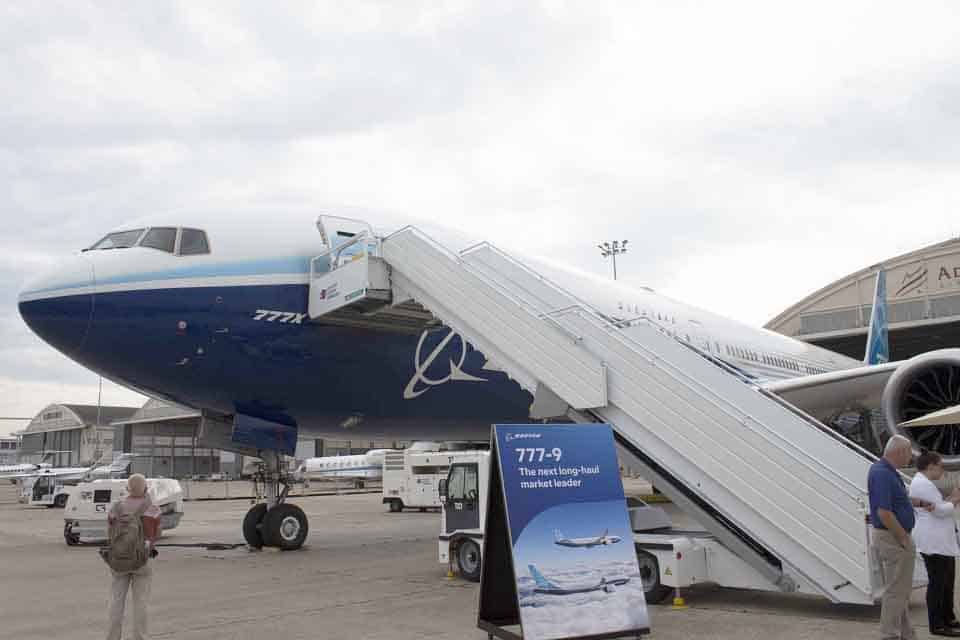
The Boeing 777X is one of the most anticipated commercial aircraft programs in the aviation industry. However, despite its advanced technology, the program continues to face significant certification and production challenges.
In a surprising move, Boeing has decided to scrap one of its earliest 777-9 airframes, WH007 (Line Number 216-11). The aircraft, which rolled out in 2019 wearing Emirates livery, never flew and remained parked at Boeing’s Everett facility for nearly six years.
According to Boeing, upgrading the early-built aircraft to the latest certification and production standards would have been too complex and too expensive. Over the years, the 777X program has undergone multiple design changes, engineering improvements, and FAA certification updates, making early-built aircraft significantly different from today’s production standard.
Rather than investing millions of dollars in extensive modifications, Boeing chose to dismantle the aircraft. The company reportedly faces similar rework challenges on around 40 already-built 777X aircraft.
The decision is part of the nearly $15 billion in charges Boeing has incurred due to delays in the 777X program. Certification challenges, structural testing, GE9X engine refinements, supply chain disruptions, and the COVID-19 pandemic have all contributed to pushing the aircraft’s first deliveries to 2027 or later.
Despite the financial impact, Boeing says its priority is delivering aircraft that fully comply with the latest safety and certification standards. Instead of reworking outdated airframes, the company is focusing on building new aircraft that meet current production requirements.
The Boeing 777X remains the company’s flagship next-generation wide-body aircraft. Powered by the world’s largest commercial jet engine, the GE9X, the 777-9 is expected to become the world’s largest twin-engine passenger aircraft and compete directly with the Airbus A350-1000.
While scrapping a nearly complete aircraft may seem like a costly decision, Boeing believes it is the most practical approach to ensuring the long-term success, safety, and reliability of the 777X program.
What are your thoughts on Boeing’s decision? Let us know in the comments below. Thanks for watching.



