
Aviation
100 Jets a Month? Airbus & Boeing’s Big Bet on New Tech
Airbus and Boeing push for 100 planes per month, integrating cutting-edge materials and robotic assembly while advancing next-gen aircraft technologies

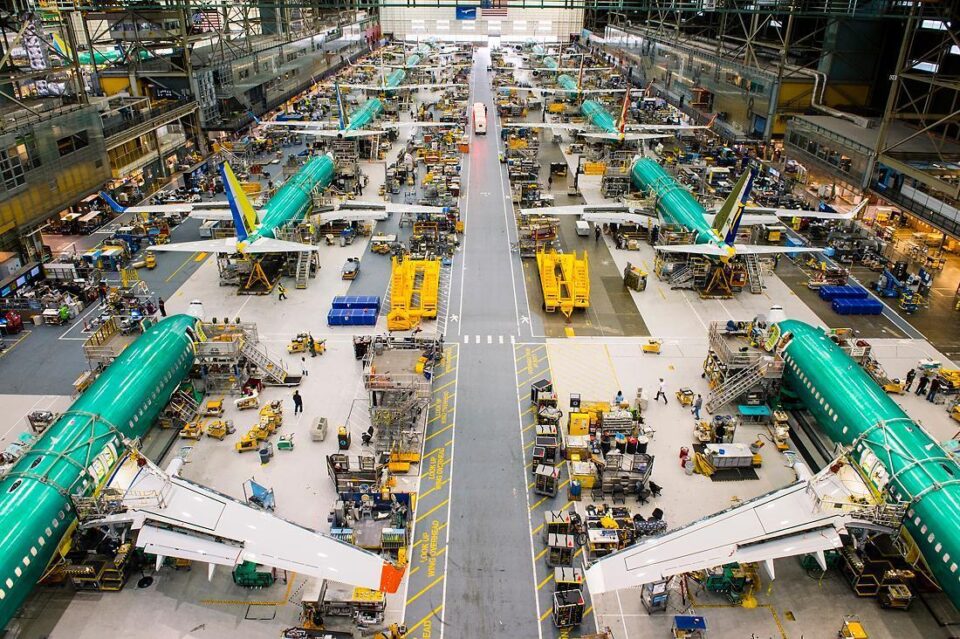
Two aerospace giants, Airbus and Boeing, are locked in a fierce competition as they aim to ramp up production to an ambitious 100 planes per month.
While Boeing grapples with financial setbacks and regulatory challenges, Airbus continues to push forward with cutting-edge technologies. Both manufacturers are not only focused on meeting the surging demand for commercial jets but are also exploring advanced materials and automation techniques to redefine the future of aircraft manufacturing.
Pushing the Boundaries of Aircraft Manufacturing
Airbus and Boeing are accelerating their production capabilities while simultaneously investing in next-generation materials that could revolutionize aircraft design.
According to industry sources, both companies are pressuring composite suppliers to be ready for a sharp increase in output, as they integrate more plastic composite materials and robotic assembly into their manufacturing processes. This shift is driven by a need for greater efficiency, cost reduction, and sustainability in modern aviation.
The Rise of Thermoplastics in Aircraft Design
One of the key technological advancements under exploration is thermoplastic composite materials. Unlike traditional thermoset materials, thermoplastics can be reheated and reshaped after their initial formation, making them more versatile and sustainable.
Industry analysts suggest that this breakthrough could significantly impact future aircraft production. Airbus, in particular, appears to be in no rush to launch a new aircraft development program, as it carefully evaluates these innovations. Meanwhile, Boeing faces financial constraints and ongoing developments in critical components such as wings and engines.
Airbus’ Vision for the Future
At the 2025 Airbus Summit, the company outlined its roadmap for next-generation aircraft, which are expected to enter service in the latter half of the 2030s. A major highlight is the potential shift towards welded structural components, replacing traditional titanium fasteners.
However, this transition would require extensive certification testing. Airbus is also exploring hybrid and electric propulsion systems to enhance fuel efficiency and reduce emissions. Additionally, the company recently unveiled a concept for an advanced jet featuring open-fan engines and foldable wings, boasting 20% greater fuel efficiency than current models.
Despite facing challenges, Boeing remains a formidable competitor, working on similar technological advancements to maintain its market position. With both manufacturers pushing for increased production while integrating innovative materials and automation, the race to build the aircraft of the future is more intense than ever.
Now you can shop for our aviation apparel at JetShop.in! For the latest aerospace news, visit Jetlineintl.com. Follow us on Google News.



