
Aviation
What Happens if a Bird Hits an Aircraft in Mid-Flight?

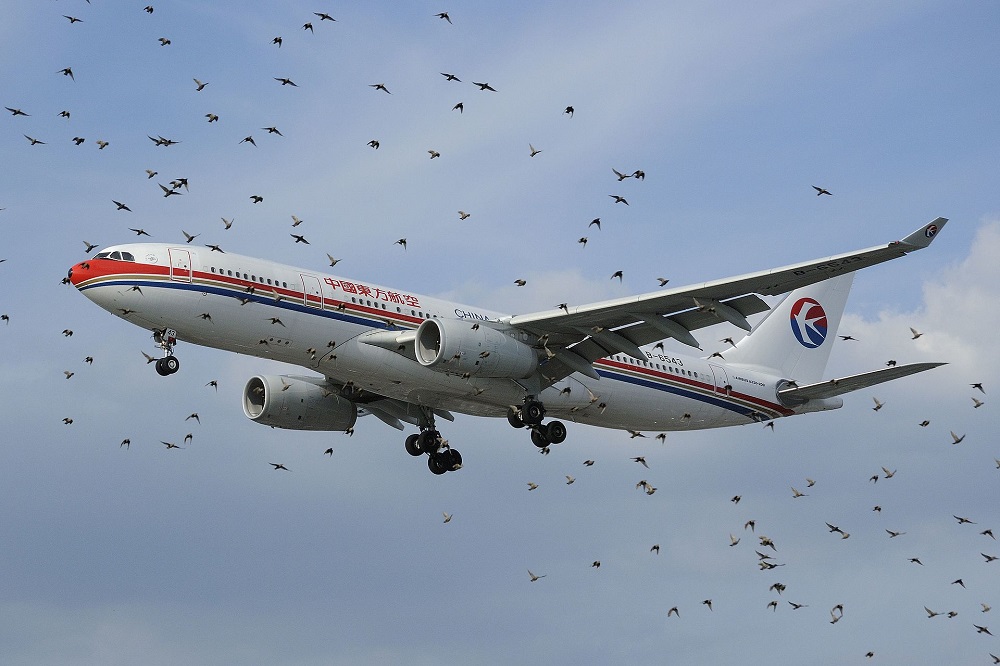
When a bird hits a plane, it’s called a bird strike, and although it sounds alarming, modern aircraft are built to withstand these encounters. The consequences of a bird strike can vary greatly depending on the size of the bird, the speed of the plane, and the location of the impact.
While most bird strikes result in minor damage, they can sometimes lead to more serious consequences, particularly if a large bird strike engine damage critical parts of the aircraft, such as the engines or windshields.
British Airways Rebrands and Revitalizes Its Loyalty Program as ‘The British Airways Club’
Bird strikes most commonly occur during the takeoff and landing phases of flight, as these are the times when the aircraft is flying at lower altitudes, where birds are more likely to be found. The size of the airplane bird strike plays a crucial role in determining the extent of the damage. A small bird, like a sparrow, typically causes minimal harm, while a larger bird, such as a goose, can pose a more significant risk.
The bird usually strikes the aircraft in areas like the engines, wings, fuselage, or windshields. The most critical impacts are those to the engines, which could result in temporary engine failure, or to the cockpit windshield, which, if damaged, could impair the pilot’s visibility.
In the case of an engine bird strike, the bird could be ingested into the engine, which might cause a loss of engine power. However, modern engines are designed to withstand bird ingestion to some degree, allowing the aircraft to continue flying and potentially land safely using the remaining engine.
Will India’s Kaveri engine replace the GE F404 in the future?
Airplanes are designed with rigorous safety measures to ensure they can handle bird strikes. For example, engine manufacturers perform bird ingestion tests by firing frozen birds into engines to simulate a bird strike and ensure the engine can continue to function. Aircraft windshields are also reinforced to withstand impacts from birds.
The Federal Aviation Administration (FAA) mandates that aircraft must be able to withstand bird strikes involving specific bird sizes and speeds. These tests and regulations ensure that aircraft are prepared to handle bird strikes safely.
Airports also take several steps to mitigate the risk of bird strikes. Wildlife management strategies include using bird deterrents, such as loud noises, predator bird calls, and lasers, to keep birds away from runways. Some airports also employ trained birds of prey, like falcons, to prevent large flocks from settling near runways.
After a bird strike occurs, the aircraft undergoes a thorough inspection. If the strike results in minor damage, the plane may continue its journey without further issues. However, if the strike leads to significant damage, particularly to the engines or flight control systems, the aircraft will need to be grounded for repairs.
In cases where a bird strike plane causes the aircraft to lose engine power, pilots will follow procedures for an emergency landing. This might involve returning to the airport or diverting to a nearby facility. A full investigation is often conducted to determine the bird species involved and assess whether additional preventive measures are necessary.
