
Aviation
How a Turbofan Engine Works: The Science Behind Modern Jet Engines
Discover the fascinating science behind turbofan engines and how they efficiently power modern commercial aircraft around the world.

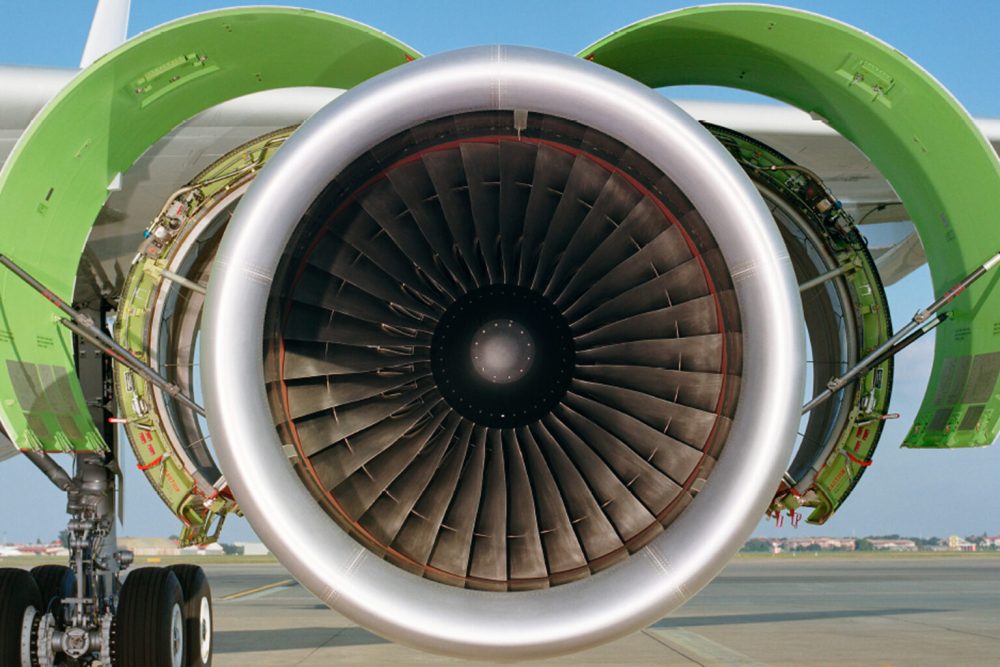
Every day, thousands of commercial aircraft carry millions of passengers safely across the globe. Whether it’s a short domestic journey or a long-haul international flight, almost every modern airliner relies on one remarkable piece of engineering—the turbofan engine.
At first glance, the large engines mounted beneath an aircraft’s wings may seem like simple power units, but inside them lies an extraordinary combination of aerodynamics, thermodynamics, and precision engineering. Designed to deliver tremendous power while remaining fuel-efficient and relatively quiet, the turbofan engine has become the backbone of modern aviation.
So, how does this incredible machine actually work? Let’s explore the process step by step.
What Is a Turbofan Engine?
A turbofan engine is a modern type of gas turbine engine that combines the principles of a traditional jet engine with a large front-mounted fan. Unlike early turbojet engines, which relied almost entirely on hot exhaust gases for thrust, turbofan engines generate most of their thrust by accelerating a large volume of cooler air around the engine core.
This simple but highly effective concept has dramatically improved fuel efficiency, reduced noise levels, and increased overall performance.
Today, turbofan engines power nearly every commercial aircraft, including the Boeing 737, Airbus A320, Boeing 787 Dreamliner, Airbus A350, and many military transport and surveillance aircraft.
Step 1: Air Enters the Engine
The process begins with the enormous fan located at the front of the engine.
As the fan rotates at thousands of revolutions per minute, it pulls in a massive quantity of air. This fan is driven by the engine’s turbine through a central shaft and acts much like a highly efficient ducted propeller.
One of the defining characteristics of a turbofan engine is that the incoming air is divided into two separate paths.
Step 2: The Two Airflow Paths
Once inside the engine, the airflow splits into two streams:
- Bypass Air
- Core Air
Bypass Air
The majority of the incoming air—often between 80% and 90% in modern high-bypass turbofan engines—flows around the engine core through a bypass duct.
This cooler airflow exits through the rear of the engine at relatively high speed, producing most of the engine’s total thrust.
Modern commercial engines are specifically designed to maximize this bypass airflow because moving a large mass of air at a lower velocity is far more fuel-efficient than accelerating a small amount of air to extremely high speeds.
Core Air
The remaining portion of the airflow enters the engine core, where the actual gas turbine cycle takes place.
Although it represents a much smaller percentage of the total airflow, it performs the critical task of generating the power needed to keep the entire engine operating.
Step 3: Compression
Inside the engine core, the incoming air passes through multiple stages of compressors.
Each compressor stage consists of rotating blades followed by stationary guide vanes. As the air moves through these stages, its pressure and temperature increase significantly.
Highly compressed air is essential because it allows fuel to burn far more efficiently inside the combustion chamber.
Step 4: Combustion
After compression, fuel is injected into the combustion chamber.
The fuel mixes with the compressed air and is ignited, creating an extremely hot, expanding stream of gases.
Temperatures inside the combustion chamber can exceed 1,500°C, making this one of the harshest operating environments in engineering.
These high-pressure gases now contain enormous amounts of energy ready to be converted into mechanical power.
Step 5: Turbine Operation
The hot gases flow rearward through several turbine stages.
As they pass through the turbine blades, part of their energy is extracted.
This energy is used to drive:
- The large front fan
- The compressor stages
- Various aircraft accessories through accessory gearboxes
Although the gases lose some energy while powering the turbines, they still retain enough velocity to produce additional thrust as they exit the engine.
Step 6: Exhaust and Thrust Generation
Finally, the remaining hot gases leave the engine through the exhaust nozzle.
At the same time, the much larger stream of bypass air exits around the outside of the engine core.
Together, these two airflows generate the total thrust that propels the aircraft forward.
The combination of cool bypass air and hot exhaust gases provides an excellent balance between efficiency, performance, and reduced noise.
Understanding the Bypass Ratio
One of the most important performance characteristics of a turbofan engine is its bypass ratio.
The bypass ratio compares the amount of air flowing around the engine core to the amount flowing through it.
For example:
- 5:1 means five kilograms of bypass air for every kilogram entering the core.
- 9:1 means nine kilograms bypassing the core.
- 12:1 means twelve kilograms bypassing the core.
Modern commercial aircraft frequently use engines with bypass ratios between 10:1 and 12:1, while some of the newest engines exceed these values.
A higher bypass ratio generally offers:
- Better fuel efficiency
- Lower fuel consumption
- Reduced engine noise
- Lower emissions
- Improved performance during cruise
This is one of the primary reasons why modern airliners are much quieter and more economical than aircraft built several decades ago.
Why Turbofan Engines Are So Efficient
The success of the turbofan engine lies in its ability to produce thrust without relying solely on high-speed exhaust gases.
Instead, most of its thrust comes from moving a large mass of cooler air more efficiently.
This design reduces wasted energy while improving fuel economy, making long-haul flights possible at lower operating costs.
Advancements in composite materials, high-temperature alloys, digital engine controls, and aerodynamic blade designs continue to make turbofan engines even more reliable and efficient.
Conclusion
The turbofan engine is one of the greatest achievements in aerospace engineering. From the moment air enters the massive front fan to the instant thrust pushes an aircraft down the runway, every stage of the engine is carefully engineered to maximize efficiency and performance.
Its unique combination of bypass airflow and high-energy core exhaust allows modern aircraft to fly farther, carry more passengers, consume less fuel, and produce significantly less noise than earlier generations of jet engines.
The next time you watch an aircraft take off, you’ll know that inside those enormous engines, thousands of precisely engineered components are working together to create one of the most efficient propulsion systems ever built.
