
Aviation
The journey of IndiGo’s success from 0 to a 64% market share – top secret unveiled!

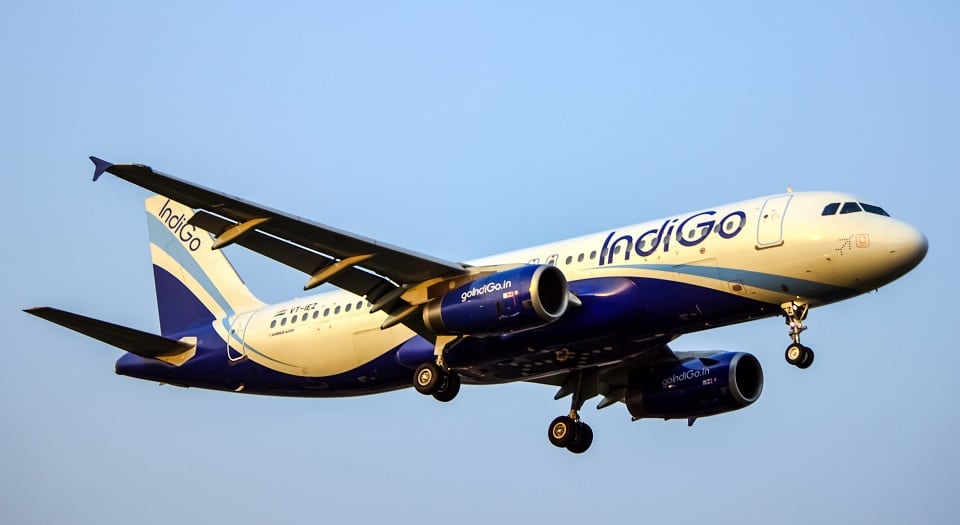
Indigo airlines is one of the Low cost airlines of India. Which is founded in 2005 thats around 20 years back. As of now airlines holds 63.6% market share.
In this article we will explore how this young airlines achived biggest milestone in its Indian Aviation Industry.
With the fleet of 403 the airlines operates around 125 destinations around the world including the Domestic.
Indigo Airlines (InterGlobe Aviation Ltd.) has become the dominant player in the Indian aviation market, capturing a significant market share due to a combination of strategic decisions, operational efficiency, and market conditions.
Here are the key factors that have contributed to Indigo’s success:
1.Focus on Low-Cost Operations
Indigo operates as a low-cost carrier (LCC), focusing on minimizing operational costs and offering affordable fares to passengers.
It follows a no-frills model, avoiding unnecessary expenses like free meals, premium lounges, or excessive in-flight services, which helps keep ticket prices competitive.
- 2.Single Aircraft Fleet Strategy
Indigo operates a single-type fleet, primarily consisting of Airbus A320 family aircraft (A320neo and A320ceo).
This standardization reduces maintenance costs, simplifies pilot training, and improves operational efficiency.
3.On-Time Performance
Indigo has consistently maintained one of the best on-time performance (OTP) records in India.
Reliability and punctuality have helped the airline build trust among passengers, especially business travelers.
4.Aggressive Expansion and Fleet Size
Indigo has rapidly expanded its fleet and route network, covering both domestic and international destinations.
As of 2025, it operates the largest fleet in India, allowing it to serve more routes and frequencies than competitors.
5. Strong Financial Management
Indigo has maintained a relatively strong financial position compared to its competitors, many of whom have struggled with debt and losses.
Its ability to manage costs and generate consistent profits has allowed it to invest in growth and weather industry downturns.
6.Market Consolidation
The Indian aviation market has seen the collapse or financial struggles of several competitors, such as Jet Airways, Kingfisher Airlines, and more recently, Go First.
Indigo has capitalized on these gaps by expanding its operations and capturing the market share left by these airlines.
7.Customer-Centric Approach
While Indigo is a low-cost carrier, it has focused on providing a reliable and hassle-free travel experience.
Its user-friendly booking platform, efficient customer service, and focus on operational reliability have helped it build a loyal customer base.
8.Strategic Route Planning
Indigo has focused on high-demand routes, including metro cities and emerging Tier-2 and Tier-3 cities.
It has also expanded its international network, targeting popular destinations in the Middle East, Southeast Asia, and Europe.
9.Fuel Efficiency
Indigo’s newer Airbus A320neo aircraft are more fuel-efficient, reducing operating costs and environmental impact.
This has given the airline an edge in managing fuel expenses, which are a significant cost component in aviation.
10.Brand Reputation and Trust
Over the years, Indigo has built a strong brand reputation for reliability, affordability, and efficiency.
Its consistent performance has made it the preferred choice for many Indian travelers.
11.Adaptability to Market Changes
Indigo has been quick to adapt to changing market conditions, such as the COVID-19 pandemic.
It focused on cargo operations during the pandemic and quickly ramped up passenger operations when travel restrictions eased.
12.Weakness of Competitors
Many of Indigo’s competitors, such as Air India (before its privatization), SpiceJet, and Go First, have faced financial and operational challenges.
Indigo has capitalized on these weaknesses by offering more flights and better services on routes where competitors have reduced operations.
13.Government Policies and Open Skies
The Indian government’s open skies policy and focus on improving regional connectivity (UDAN scheme) have benefited Indigo.
The airline has actively participated in these initiatives, expanding its reach to smaller cities.
14.Early Mover Advantage
Indigo entered the market in 2006 when the Indian aviation sector was growing rapidly.
Its early focus on operational efficiency and cost control allowed it to establish a strong foothold before newer competitors could emerge.
With the support of codeshare agreements with premium airlines, Indigo has been able to expand its route network and connectivity internationally without the need to increase its fleet size.
Through its partnership with Turkish Airlines, Indigo has gained access to routes in the Middle East and the United States. Similarly, its collaboration with Air France-KLM has enabled it to tap into the European network.
Additionally, its alliance with Japan Airlines has opened up routes to Japan and other countries, while its partnership with Malaysian Airlines has connected it to various Malaysian cities. Lastly, its agreement with American Airlines has provided access to the American region.
This codeshare strategy allows passengers to book a single ticket and seamlessly connect across these airlines, offering a hassle-free experience and optimizing travel plans.
Furthermore, Indigo has begun operating widebody aircraft such as the Boeing 777 and B787, which enable the airline to accommodate more passengers at the same price point. This approach allows Indigo to offer both economy and premium services simultaneously, increasing seat capacity and expanding the number of routes it can serve. In line with this strategy, Indigo has placed an order for 30 Airbus A350 aircraft, aiming to deliver premium services at economy prices, further enhancing its competitive edge in the market.
Indigo Airlines has unveiled an ambitious master plan for the next decade, solidifying its position as a leader in the aviation industry. The airline has placed a record-breaking order for nearly 500 A320 family aircraft, marking the largest single purchase agreement in the history of commercial aviation.
This monumental order includes the fuel-efficient A320NEO, the larger-capacity A321NEO, and the long-range A321XLR models, all of which are expected to be delivered within the next five years. Additionally, Indigo has secured the option to purchase 70 more A350 aircraft, further showcasing its commitment to expansion and innovation.
This strategic move is designed to enhance Indigo’s fleet capabilities, allowing the airline to cater to both domestic and international markets with greater efficiency and flexibility. The inclusion of the A321XLR, in particular, will enable Indigo to operate longer routes, connecting more destinations across Asia and beyond.
By investing in modern, fuel-efficient aircraft, the airline is also positioning itself as a sustainable and cost-effective carrier, which will help it maintain its competitive edge in the rapidly evolving aviation landscape.
There is no doubt that Indigo Airlines is rapidly expanding its business, outpacing its competitors and achieving numerous milestones in the aviation industry. With its strategic growth and operational efficiency, Indigo is poised to secure the highest market share in the Asian region in the near future.
What are your thoughts on Indigo Airlines? Please share your opinions and insights in the comments section below!
