
Aviation
SpiceJet to Reintroduce Seaplane Routes in 2025

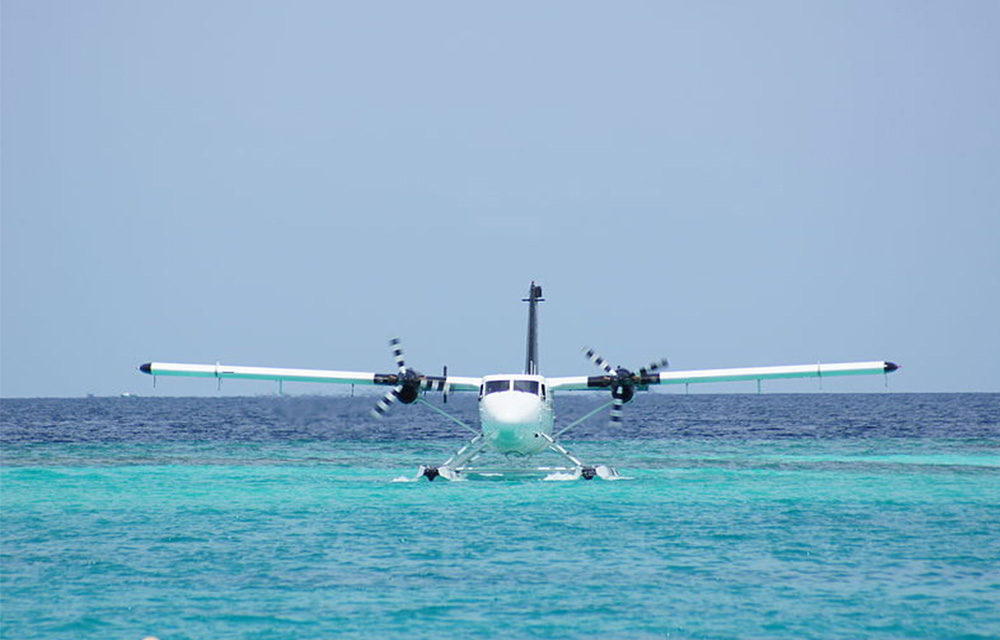
In a major development for regional connectivity and tourism, Indian low-cost carrier SpiceJet has announced its plans to relaunch its seaplane services in 2025. As reported by News18.
This ambitious initiative marks the airline’s return to seaplane operations after a hiatus caused by the COVID-19 pandemic, and it aims to improve access to some of India’s most remote and underserved regions.
The announcement was made in November 2024 by SpiceJet’s Chairman and Managing Director, spicejet ajay singh, during a demonstration flight from Prakasam Barrage in Vijayawada to the Srisailam Dam. The event was attended by Andhra Pradesh Chief Minister N. Chandrababu Naidu and Civil Aviation Minister K. Rammohan Naidu.
As part of this effort, SpiceJet has partnered with De Havilland for the trials and is providing crucial engineering, technical, and logistical support.
SpiceJet has been granted rights to operate seaplane services on 20 routes, including key destinations such as Lakshadweep, Hyderabad, Guwahati, and Shillong. The airline is now preparing to roll out services on these routes as soon as the necessary infrastructure is in place.
The airline originally pioneered India’s first scheduled seaplane service in October 2020, connecting the Sabarmati Riverfront in Ahmedabad with the Statue of Unity in Kevadia, Gujarat. However, the operations were paused due to the COVID-19 pandemic.
Now, spicejet is poised to resume this innovative mode of transport, continuing its commitment to the UDAN (Ude Desh ka Aam Nagrik) scheme, which aims to make air travel more accessible to the masses.
SpiceJet’s CEO highlighted the role of seaplane services in bridging transportation gaps, particularly in areas that have limited access to conventional air travel. The upcoming resumption of seaplane operations is seen as a significant step forward in making travel to remote destinations more affordable and accessible.
Additionally, the airline sees potential for these services to support tourism, as well as provide a reliable transportation option during emergencies, such as natural disasters when land-based access is compromised.



