
Defence
Reasons for Decline in F-35 Sales and Order Cancellations
In 2025, the F-35 program is facing its biggest crisis yet as nations cancel orders, allies push back against U.S. restrictions

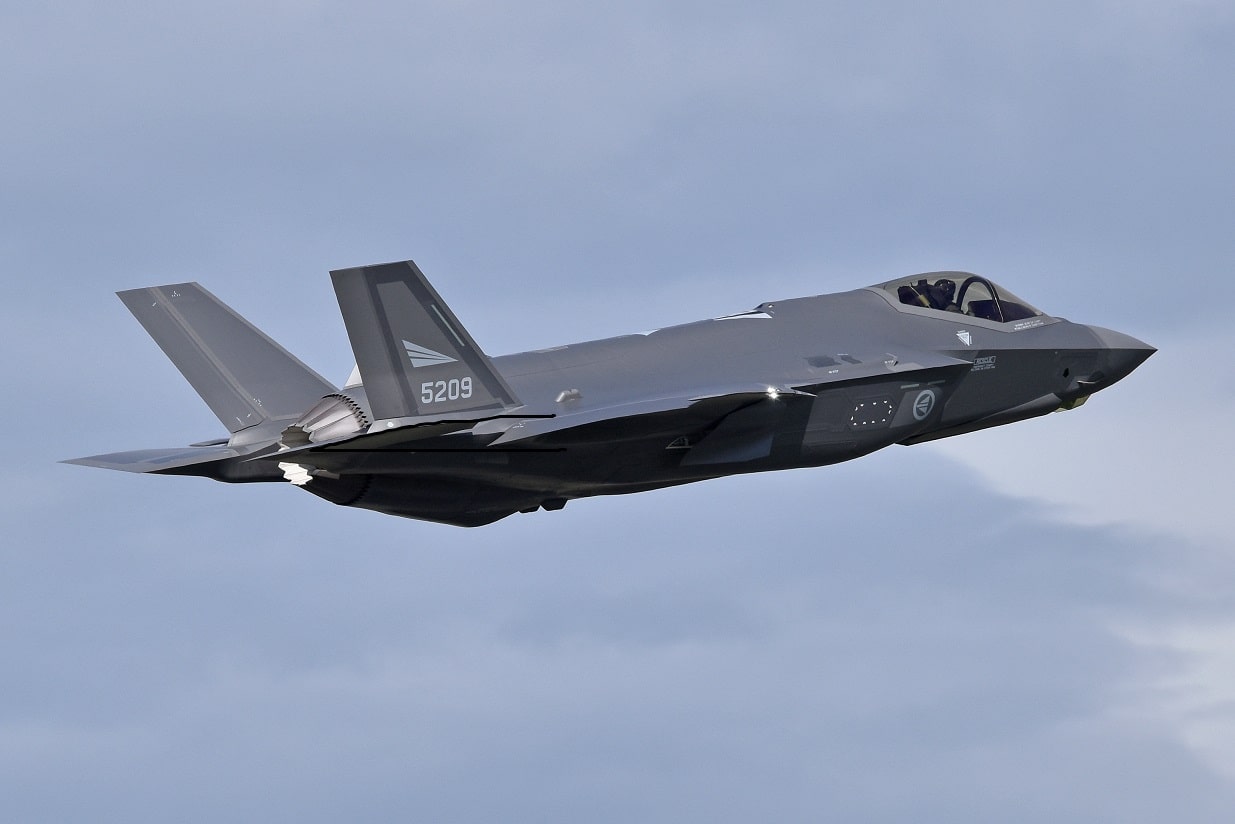
2025 has been a nightmare for the F-35 program. Orders are collapsing, countries are walking away, and the world’s most expensive fighter jet is suddenly looking… cancelable. Let’s break it down.
The F-35: From “King of the Skies” to Export Crisis
“The F-35 was supposed to be the undisputed king of the skies for decades.
Trillion-dollar program, stealth, sensor fusion, flown by the U.S. and a dozen allies… on paper, unbeatable. But right now, in 2025, international sales are in freefall.
Portugal? Canceled.
Spain? Gone.
Switzerland? On the verge of pulling the plug.
Canada and Germany are openly rethinking their orders.
This isn’t just a hiccup – it’s turning into an export crisis.”
The Trump Factor: NATO Tensions and Threats
Donald Trump — since he came back to the White House, he’s been torching relationships with NATO allies left and right.
Threatening to withhold spare parts, block software updates, even cut off maintenance support for the F-35 if countries don’t fall in line.
Imagine spending $100 million per jet… and then the U.S. president can basically brick your air force with the flip of a switch.
That’s not partnership – that’s a hostage situation.
Trump slapped huge tariffs on European steel, cars, you name it.
Europe hit back – and suddenly buying American fighters feels like funding your own trade war.
Countries are asking: why lock ourselves into a jet where Washington holds all the keys… especially when the guy in charge keeps threatening to change the locks?”
Long-Standing F-35 Problems Aren’t Helping
Even before the politics exploded, the F-35 had problems everyone knew about:
- Unit cost creeping toward $100 million each
- Insane maintenance bills – sometimes $40,000 per flight hour
- Engine failures, software bugs, years of delays
Sweden’s pushing the Gripen E – way cheaper, fully independent.
France is waving the Rafale in everyone’s face – no American backdoors.
Even South Korea’s KF-21 is starting to look tempting.
Why bet the farm on the F-35 when you can get 80–90% of the capability without the geopolitical handcuffs?”
Lockheed Martin Under Pressure
Lockheed Martin is scrambling, the Pentagon is nervous, and a lot of air forces are quietly shopping elsewhere.
Unless U.S.–ally relations cool off fast, this could be the beginning of the end for the F-35’s global dominance.
What do you think – is the F-35 era already over, or can Lockheed and Washington still save it?
The F-35’s International Struggles in 2025
Hard to Sell Despite Global Demand
The F-35 Lightning II was supposed to dominate the global fighter jet market, but right now, things aren’t looking so great for Lockheed Martin’s stealth superstar.
Despite massive demand worldwide for next-gen fighters, the F-35 is struggling – big time – to rack up new international orders.
Restrictions, Tariffs, and Political Strings
Why? A lot of countries are fed up with the strings attached: heavy U.S. restrictions, steep tariffs, and tough policy conditions that come with every deal.
It’s turned what should be straightforward defense purchases into diplomatic nightmares.
Lockheed Martin has been pushing hard – you saw them flexing the F-35 at the Dubai Airshow with all the bells and whistles – but geopolitics keeps throwing up roadblocks.
Middle East: Interest Without Approval
Let’s talk about the Middle East.
Right now, Israel is the only country in the region flying the F-35.
Nations like Turkey, Saudi Arabia, and several Gulf states have shown serious interest… but guess what?
Washington keeps saying no.
Political sensitivities, regional rivalries, and super-strict U.S. export controls have slammed the door shut.
So despite all the hype, the F-35’s footprint in one of the hottest defense markets on earth remains tiny.
India Walked Away Too
Even India got a taste of this.
The U.S. quietly offered the F-35, but when New Delhi saw the price tag and the long list of restrictions, they weren’t impressed.
Result?
India doubled down on advanced Russian jets instead.
Another huge market – slipping away.
The Vicious Cost Cycle
Here’s the scary part for Lockheed Martin: if export orders keep drying up, production numbers drop… and when production drops, the per-unit cost skyrockets.
That makes the F-35 even harder to sell.
It’s a vicious cycle.
New Competitors: FCAS and GCAP
And it’s not just about politics.
Europe is done waiting around.
Countries like France, Germany, and Spain are pouring billions into their own next-gen fighter – the Future Combat Air System, or FCAS.
Britain, Italy, and Japan have their own program: GCAP.
These homegrown jets could seriously eat into the F-35’s European market in the coming decades.
A Shrinking Future Market
So where does that leave the F-35?
For now, Israel looks set to remain the only Middle Eastern operator.
U.S. export hurdles aren’t going away anytime soon, and with shifting global priorities and new competitors rising fast, the future of F-35 exports is looking more uncertain than ever.
For more aerospace news, check out JetlineIntel.
Want to buy aviation merchandise? Visit Jetshop.in.
To read Jetlinemarvel’s updates on Google News, head over to Google News.

You must be logged in to post a comment Login